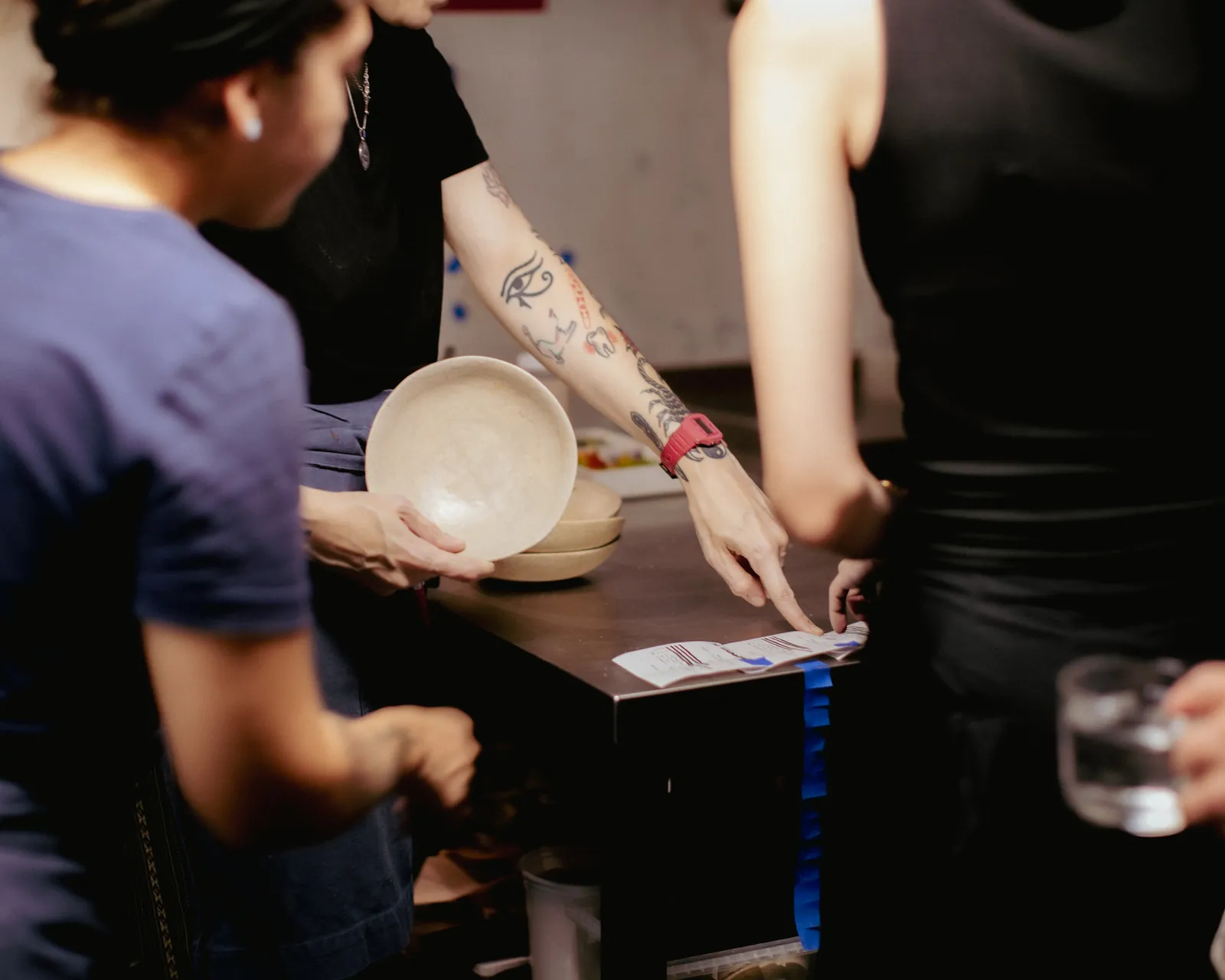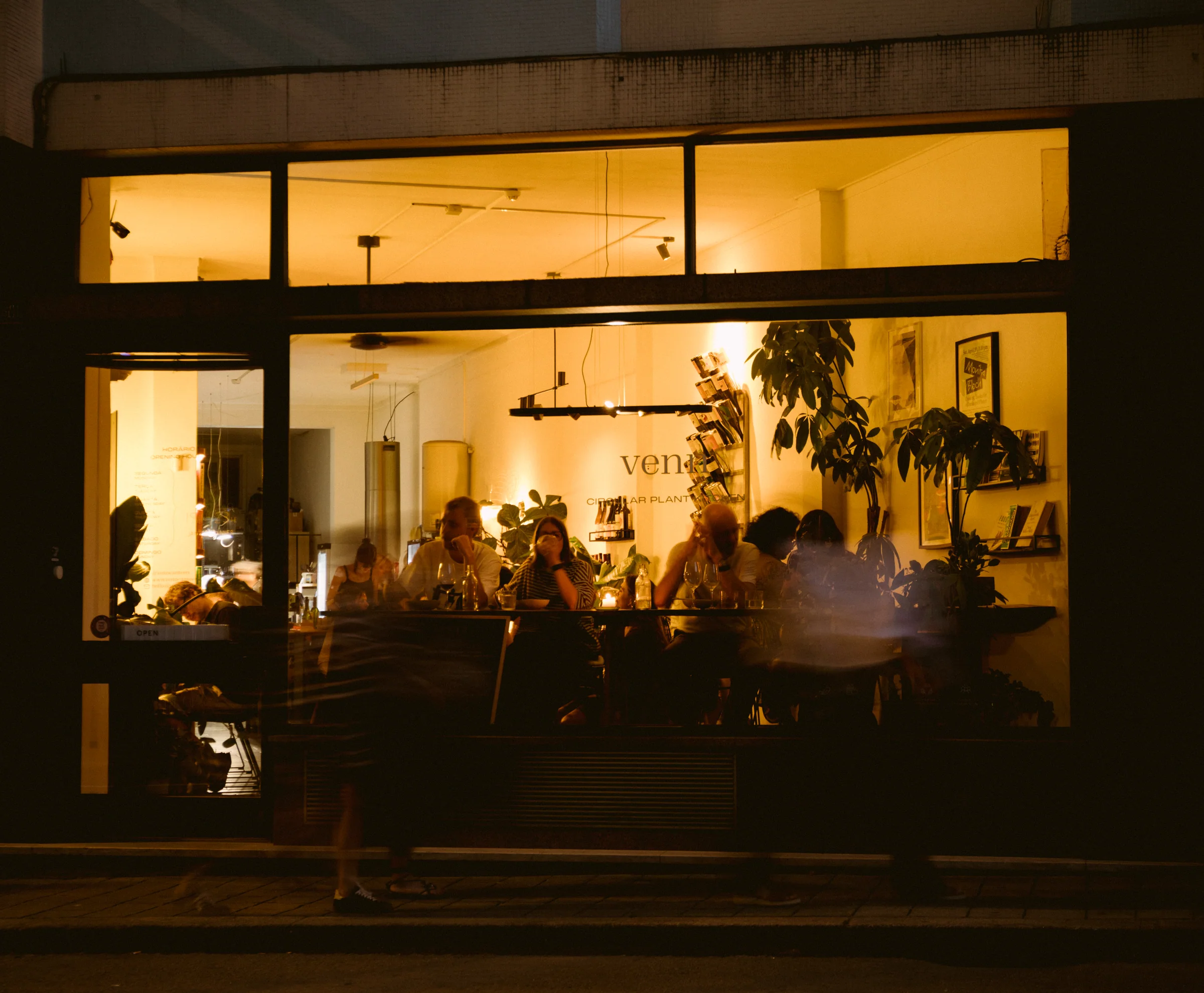
hands over a row of bowls on the pass at venn

venn · advisory

better food systems, built in a restaurant.

for restaurants, hotels and caterers that need to move a menu towards plants without losing guests or margin, see what their food really costs, or build a supply that holds. every method on this page runs in our own kitchen first.

discuss a project

when people call us

  1. 01you want part of the menu off animal protein without losing guests or margin.
  2. 02your food costs are visible, but not the decisions driving them.
  3. 03you want to source differently and do not know how to build a supply that holds.
  4. 04you have sustainability ambitions and no operating system under them.
  5. 05you are going for an accreditation, a tender or a funding programme and need the work behind the application, not the paperwork.

if one of these is yours, start with the diagnostic.

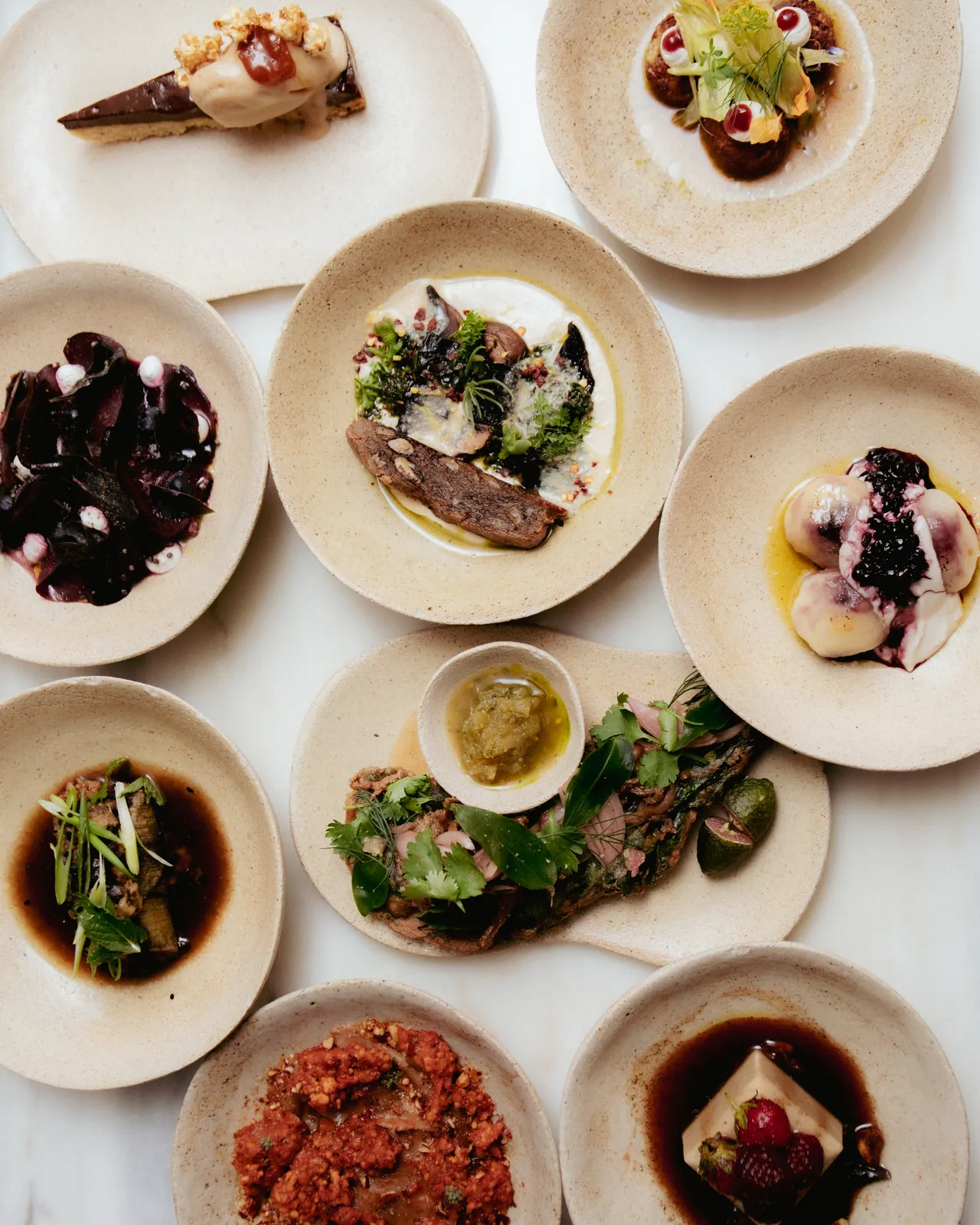
the whole menu, seen from above

start here

the diagnostic.

one operational problem, tightly scoped. you send menus, recipes, purchasing and cost data. we spend a day in your kitchen where distance allows, cost the problem line by line and name the decisions driving the number. you get a written plan with figures on it, and one of your own courses specified to the depth of the specimen further down this page, within three weeks of receiving your data. a document your kitchen can work from, not a meeting.

the supplier table and the ledger are the same at 26 seats or 600 covers a day. the specification is written for your volume, not ours.

from €2,500credited against a project, if you go on to onesend a brief →

what we do

food and menu

menu architecture, recipe development, ingredient substitution, plant-forward transitions, waste reduction.

economics

dish costing, margin analysis, purchasing data, food-cost systems and the decision tools that sit on top of them.

supply

supplier mapping, sourcing criteria, producer relationships, provenance and procurement frameworks.

impact

measurement, theory of change, accreditation readiness and the evidence behind it.

how a supplier is chosen

a decision table, not a preference.

the table we build for your suppliers. every producer we buy from is scored on four lenses, after four gates; this is our own working document’s example, anonymised.

not approvedapprovedpreferred
06080100
92a71b54c
suppliersocial/ 30cultural/ 20environmental/ 30traceability/ 20gatesscoredecision
a · local organic market garden28182818pass92preferred · core
b · regional portuguese producer22141817pass71approved · improve
c · distributor, weak farm-level traceability1881612pass54not approved without change

supplier assessment framework · formalised march 2026, reviewed annually

  • gates before scoresanimal-free, labour, transparency, integrity. fail one and the relationship pauses, whatever the score.
  • the band is a guidea valued producer short on one lens is kept and asked to change. the score records it; the relationship decides.

built under real constraints

we ran the experiment on ourselves first.

26seats · seven nights a weekan operating restaurant, not a test kitchen
100%plant-basedwithout imitation meat as the organising principle
78%traceable ingredient valuefrom named portuguese sources, the association’s figure from its case study on us
bolotachícharo · cuscos · barbelaportuguese ingredients most kitchens have stopped buying

independently verified

food made good, three stars, 2026
food made good · three stars2026, the sustainable restaurant association
we’re smart green guide · four radishesout of five
a plate handed across the pass, the docket beside it

the pass, july 2026

what sourcing looks like when it is measured

every euro of food spend, tied to a name.

the ledger we set up in your kitchen, and what it lets you see about your own spend. these are our live figures: twelve months to may 2026, every invoice line matched to an ingredient and its producer.

what a year of buying looks likeevery tracked ingredient, sized by its share of twelve-month spend. colour is the source.
where the money goesshare of spend, by source

invoice → ingredient → producer → cost → sourcing decision

the same figures as a table

the imported share is shown, not hidden. see the underlying provenance system

what accreditation support actually means

criterion, evidence, the system underneath.

food made good assessed venn in june 2026. what the assessor saw is less interesting than what sat behind it: the same chain we build for a client.

  1. 01 / criterioncelebrate provenancewhere your ingredients come from and how you work with your suppliers: traceability, locality, a procurement policy that is applied.
  2. 02 / evidencethe framework, the map, the ledgerthe supplier assessment framework, the map of named farms and primary producers, and the invoice ledger behind both.
  3. 03 / operating systemthe live ledger98% of lines matched, every supplier scored before we buy. it produces the evidence continuously. the paperwork was the last step.
81%independently assessed · june 2026
three stars · valid to june 2028
food made good, three stars, 2026, the sustainable restaurant association
sourcing92%
society80%
environment69%

inside sourcing celebrate provenance 95 · support farmers and fishers 92 · more plants, better meat 96 · source seafood sustainably 86

inside the work

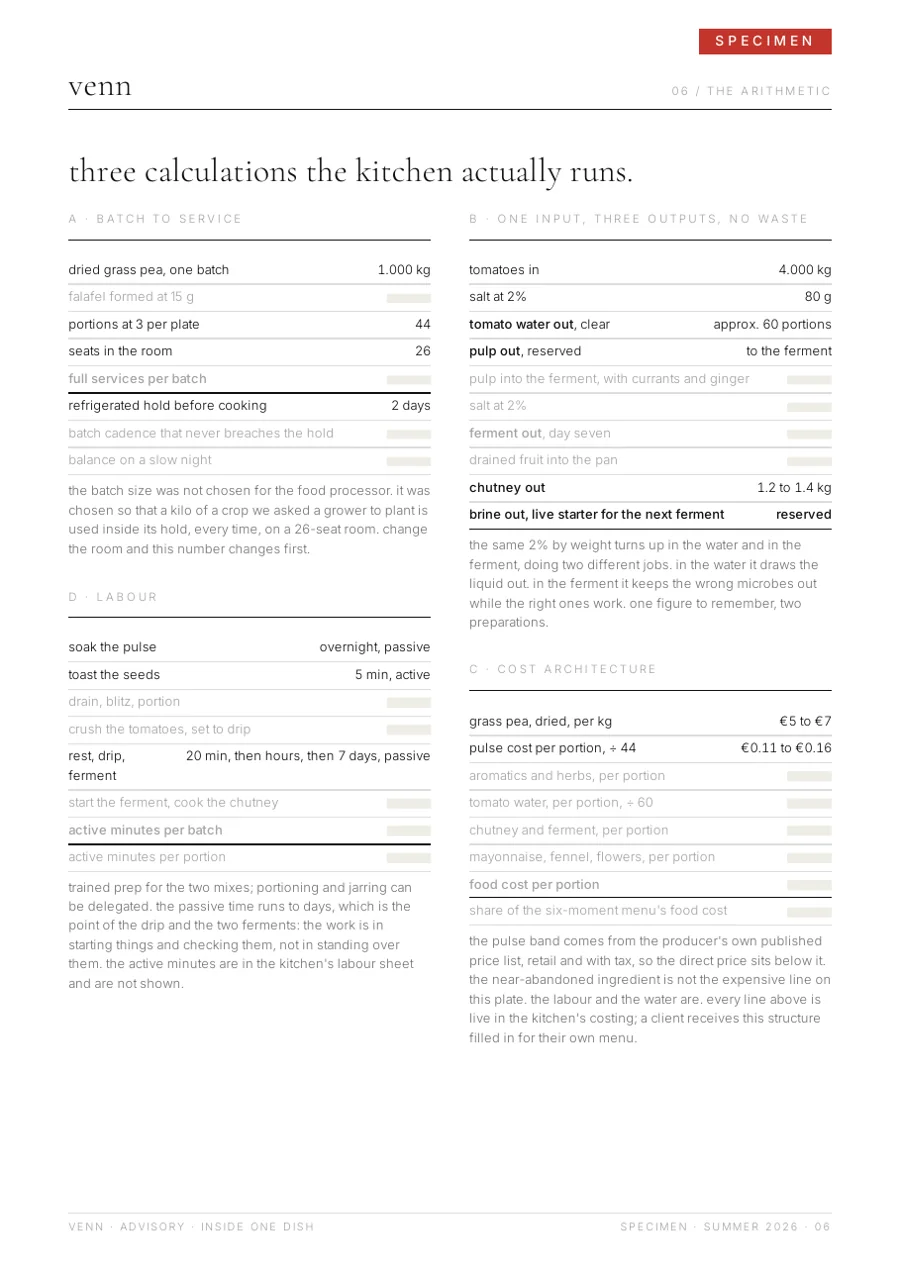
specimen, page 6: the arithmeticspecimen, page 7: service assembly

one dish, all the way through.

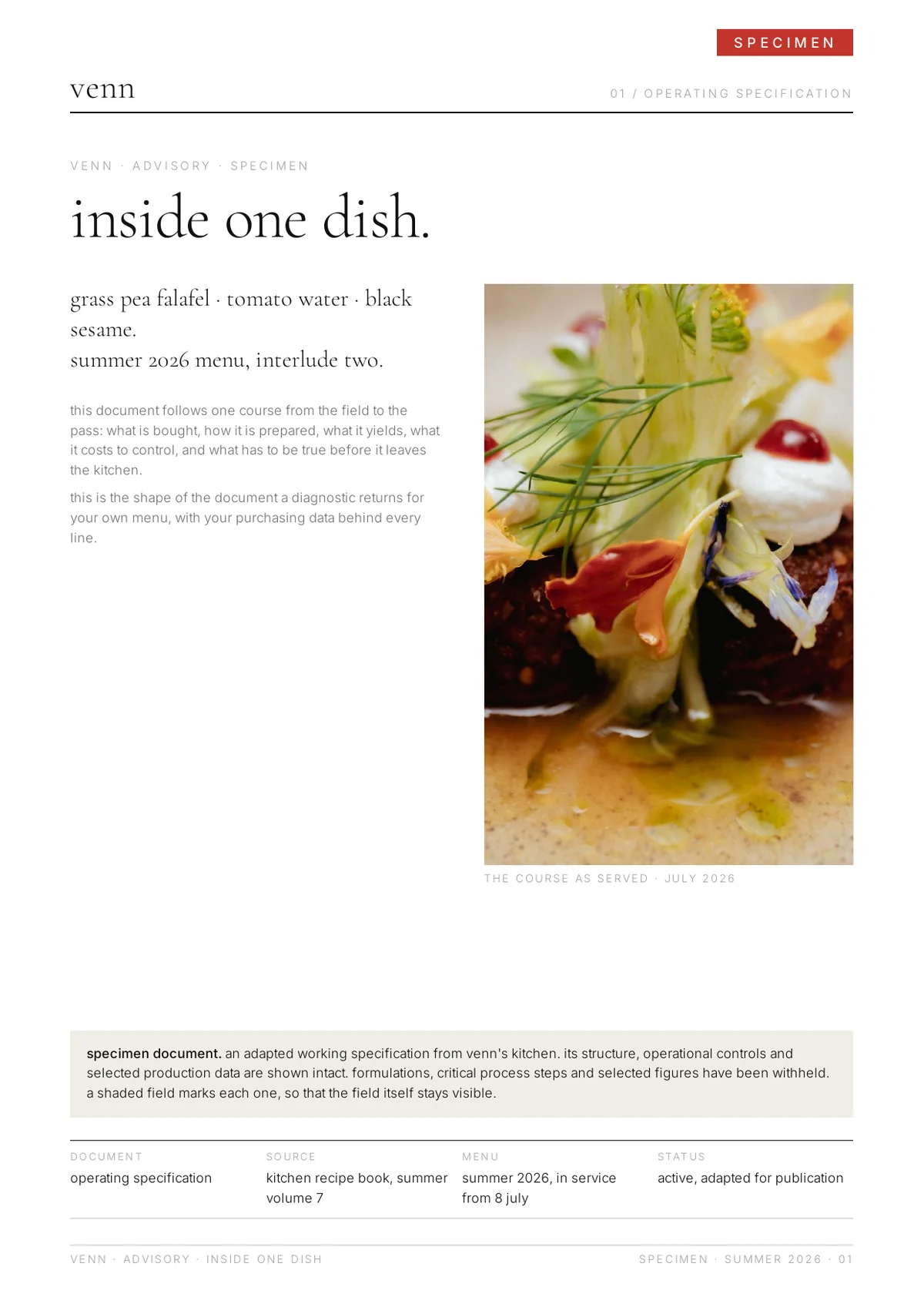
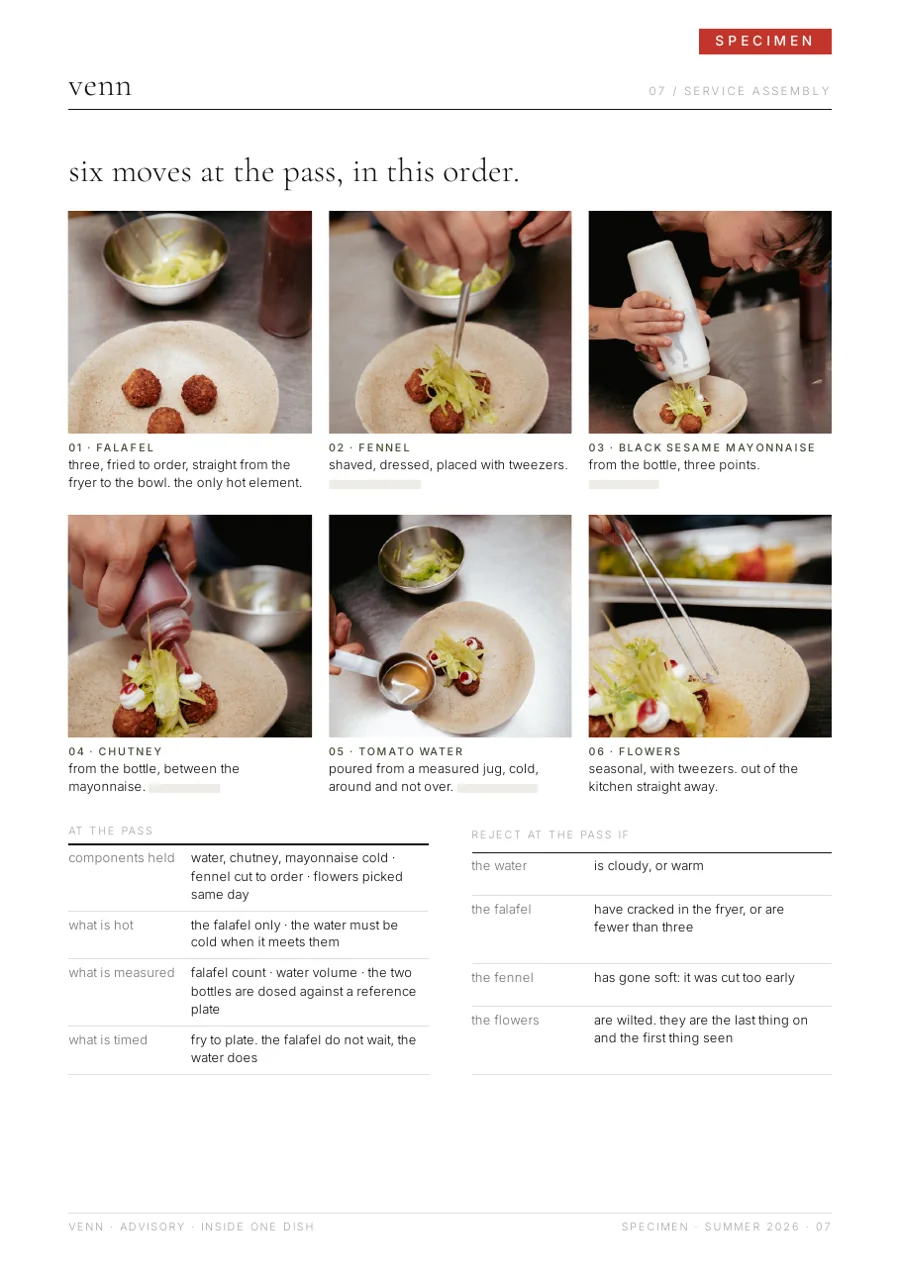
what one course of your menu would get. the operating specification for one course on the current menu, the grass pea falafel, from field to pass: what is bought, what it yields, what it costs, how it is assembled, what has to be true before it leaves the kitchen. about half is withheld: it is proof of the method, not the product.

the product is the same structure, for your own menu, complete.

a specification that does not say what failure looks like is a recipe. this one does, for every component.

see inside the work    download the specimen

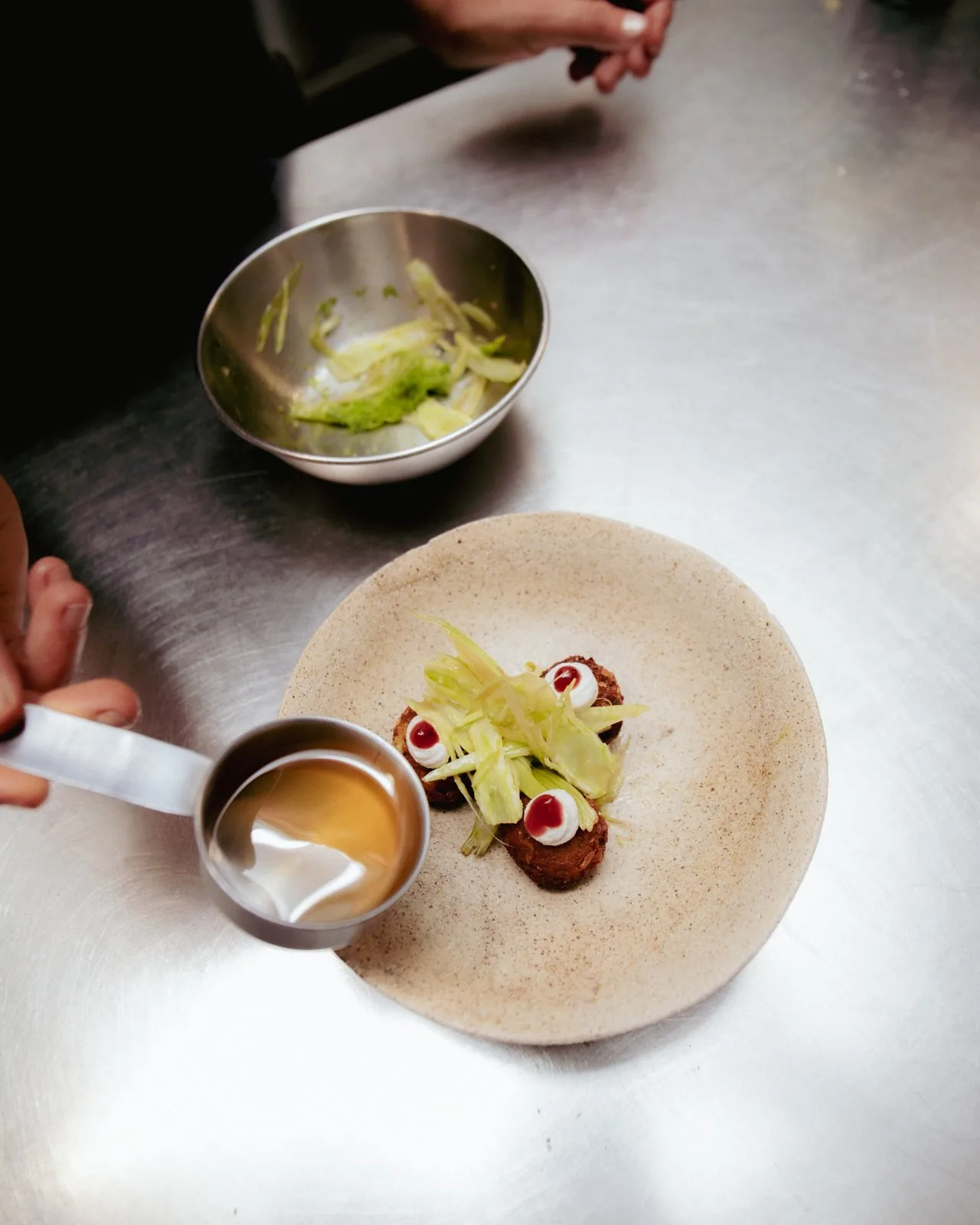
tomato water poured from a measured jug around the falafel at the pass

what the specification looks like at the pass.

  1. 1
    portionthree falafel × 15 g, fried to order, the only hot element. fewer than three, or cracked, is a reject
  2. 2
    pourtomato water from a measured jug, cold, around and not over. cloudy or warm is a reject
  3. 3
    finishfennel cut to order, flowers last, with tweezers. wilted flowers are the first thing a guest sees

how engagements work

four steps, then it is yours.

  1. brief
  2. scope
  3. build
  4. handover

diagnostic

the first step, described at the top of this page. one problem, one course of yours to specimen depth, a written plan with figures, three weeks.

from €2,500 · credited against the project fee

project

a defined transformation. a plant-forward menu redevelopment, or a food-cost and sourcing system. clear outputs, a set number of sessions and revisions, one boundary.

fixed project fee, scoped from the diagnostic or from your brief

partnership

for organisations needing several of these at once: menu, procurement, costing, impact and implementation together. discovery first, then a scoped proposal.

staged fee

most projects start with the diagnostic. a brief that is already specific enough can be scoped as a project directly.

who we work with

we work from porto, on projects here and abroad.

shared supply

some supply problems need coordinated demand, not consulting.

a grower plants against an order book, and no single kitchen can write one.

read about shared supply

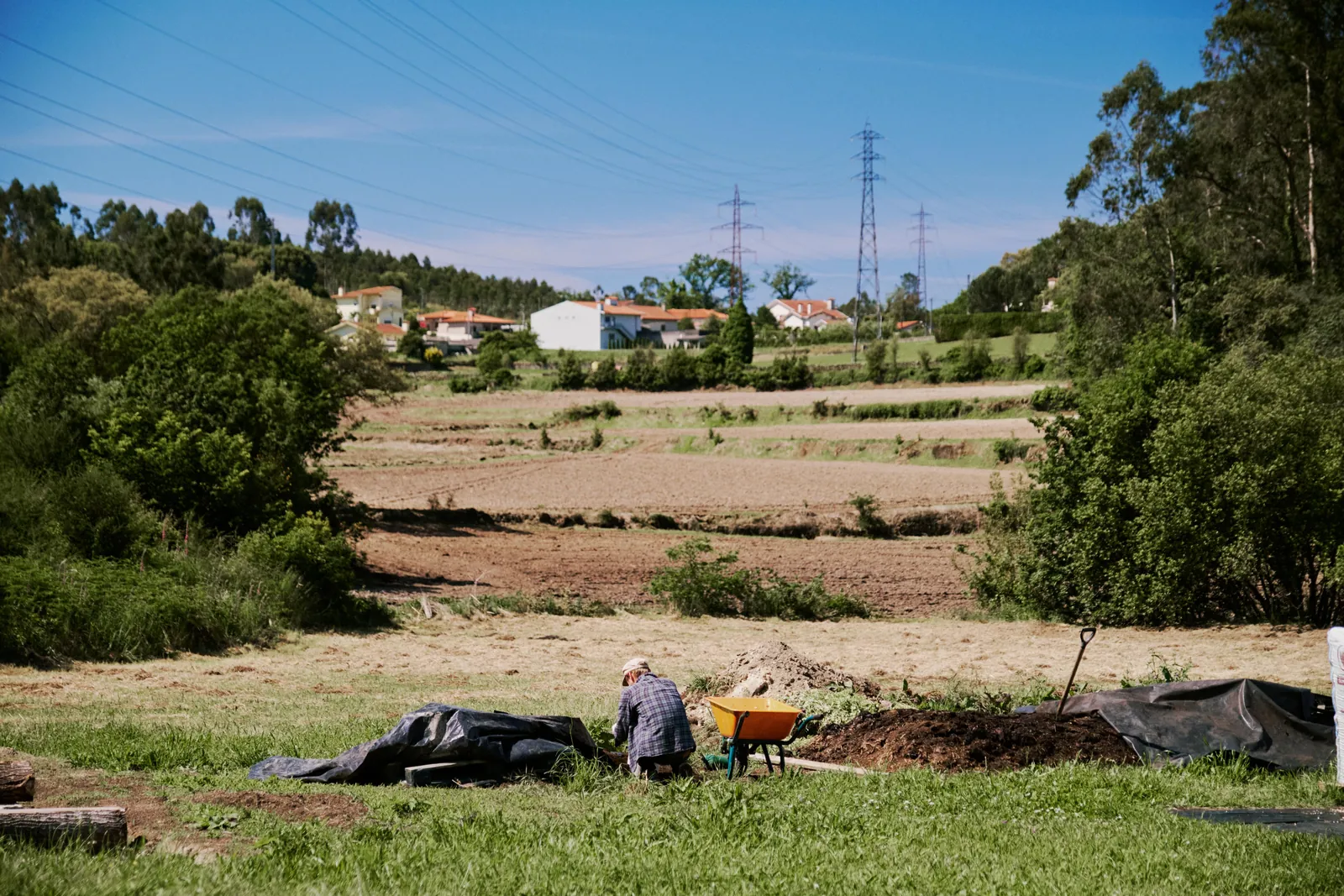
the farm, wide

the field, may 2025

enquiry

tell us what you’re trying to change.

we reply within four working days, and we will say plainly if we are not the right people.

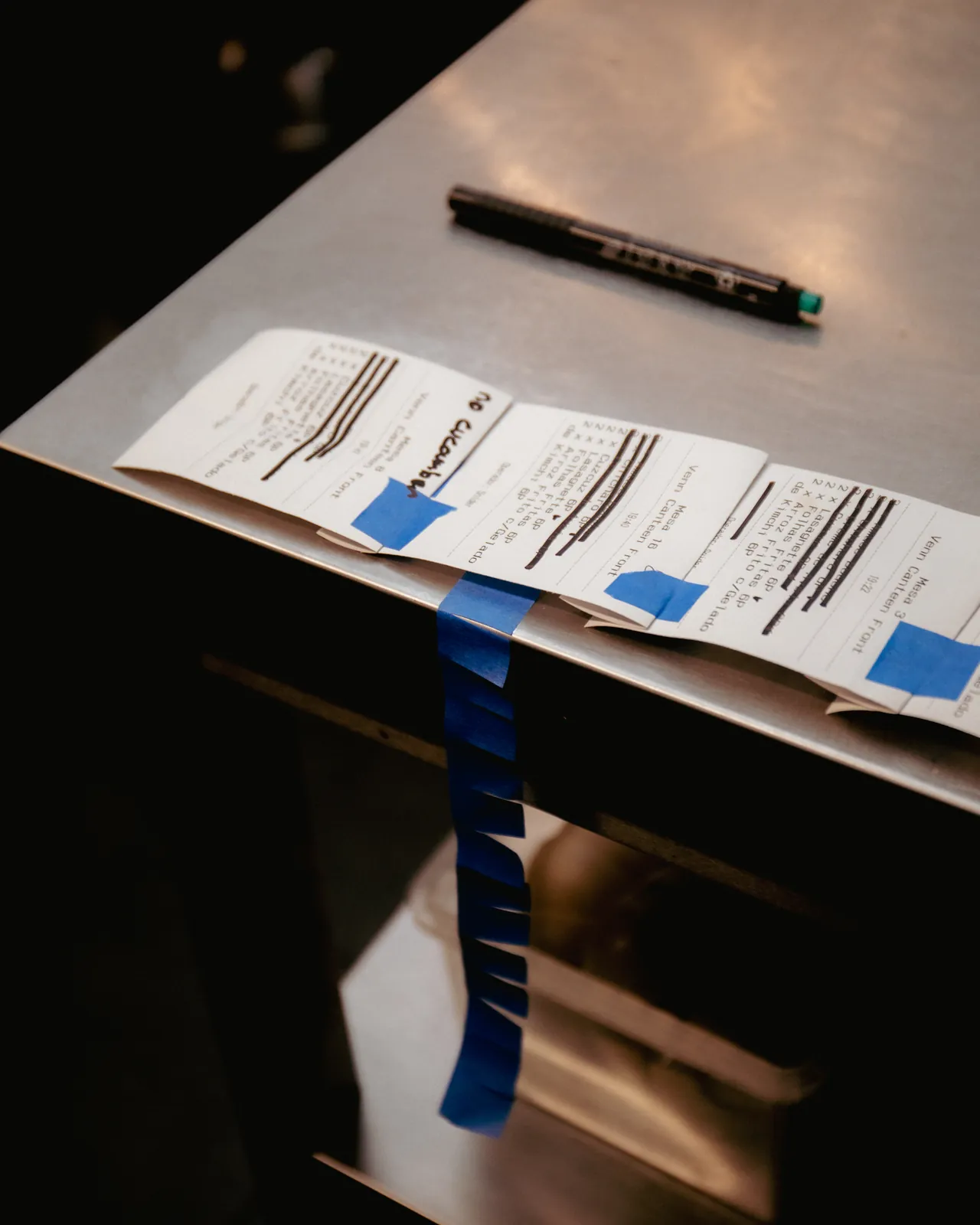
the docket taped to the pass

the docket on the pass, july 2026

add project details +

we use this only to reply to you. privacy

thank you. we will be in touch within four working days.

something went wrong sending that. please email [email protected] instead.