what remains.
What prep leaves on the board, and where it goes next.
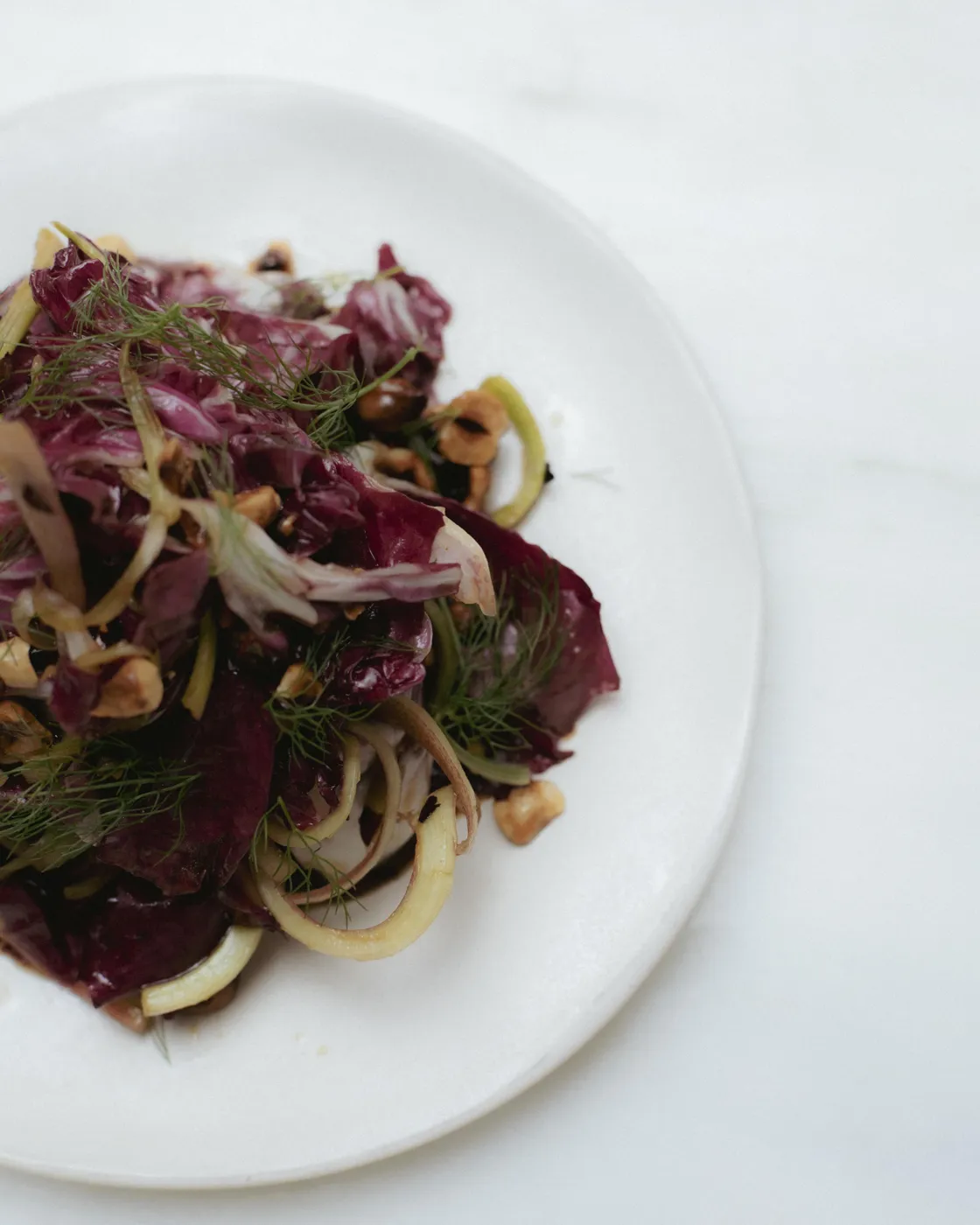
Prep leaves rhubarb trimmings, onion skins, the water the pulses cooked in, the whey from a yogurt. Most of it goes into another preparation, and this page follows it there, plate by plate. Some of it still has no use here.
one box of rhubarb.
The stalks go in whole. The notebook keeps count of what comes off.
rhubarb
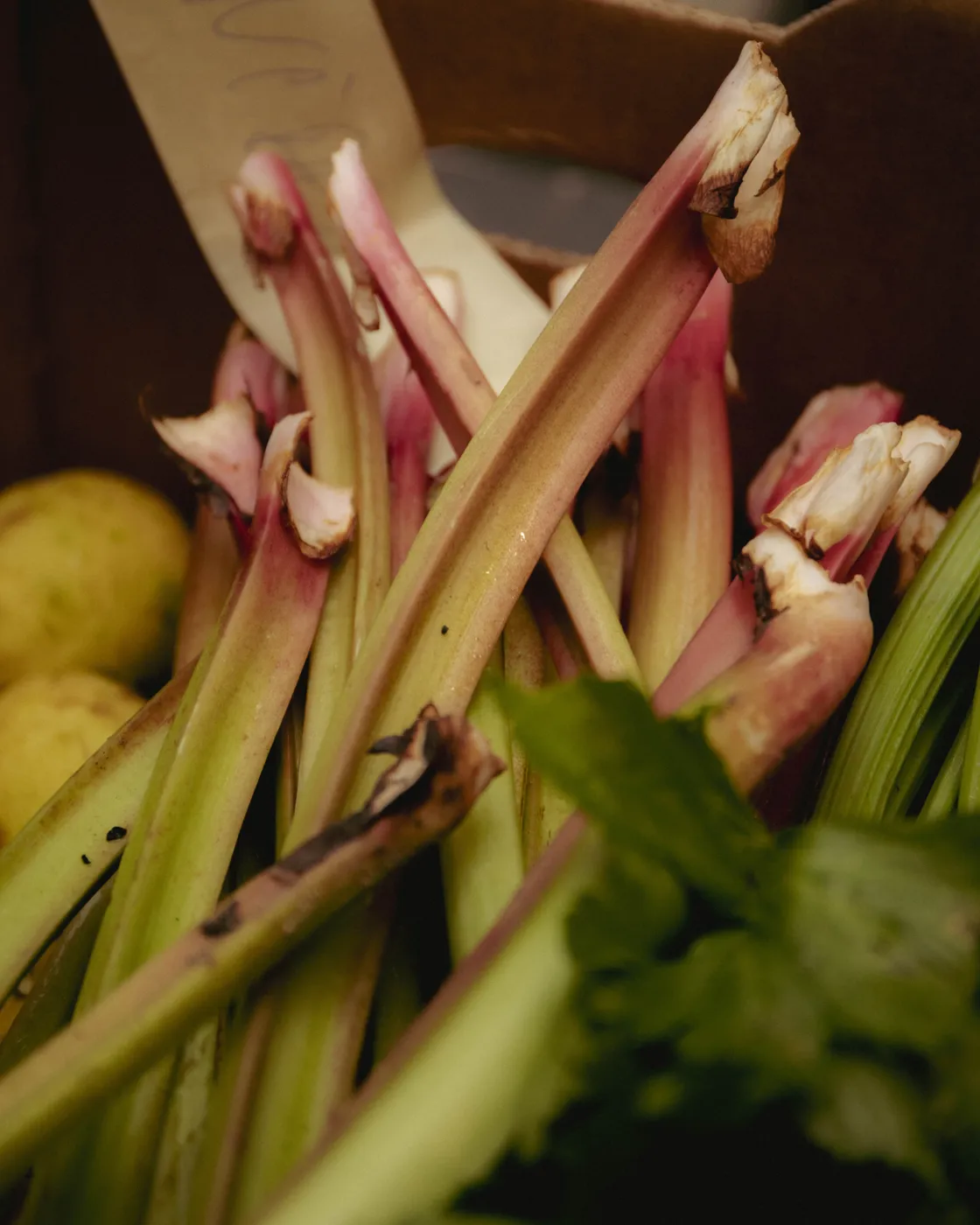
Stalks only. The leaves are poisonous and never come in. One page weighs a batch: 800 g in, 587 g once trimmed.
cut and sugared
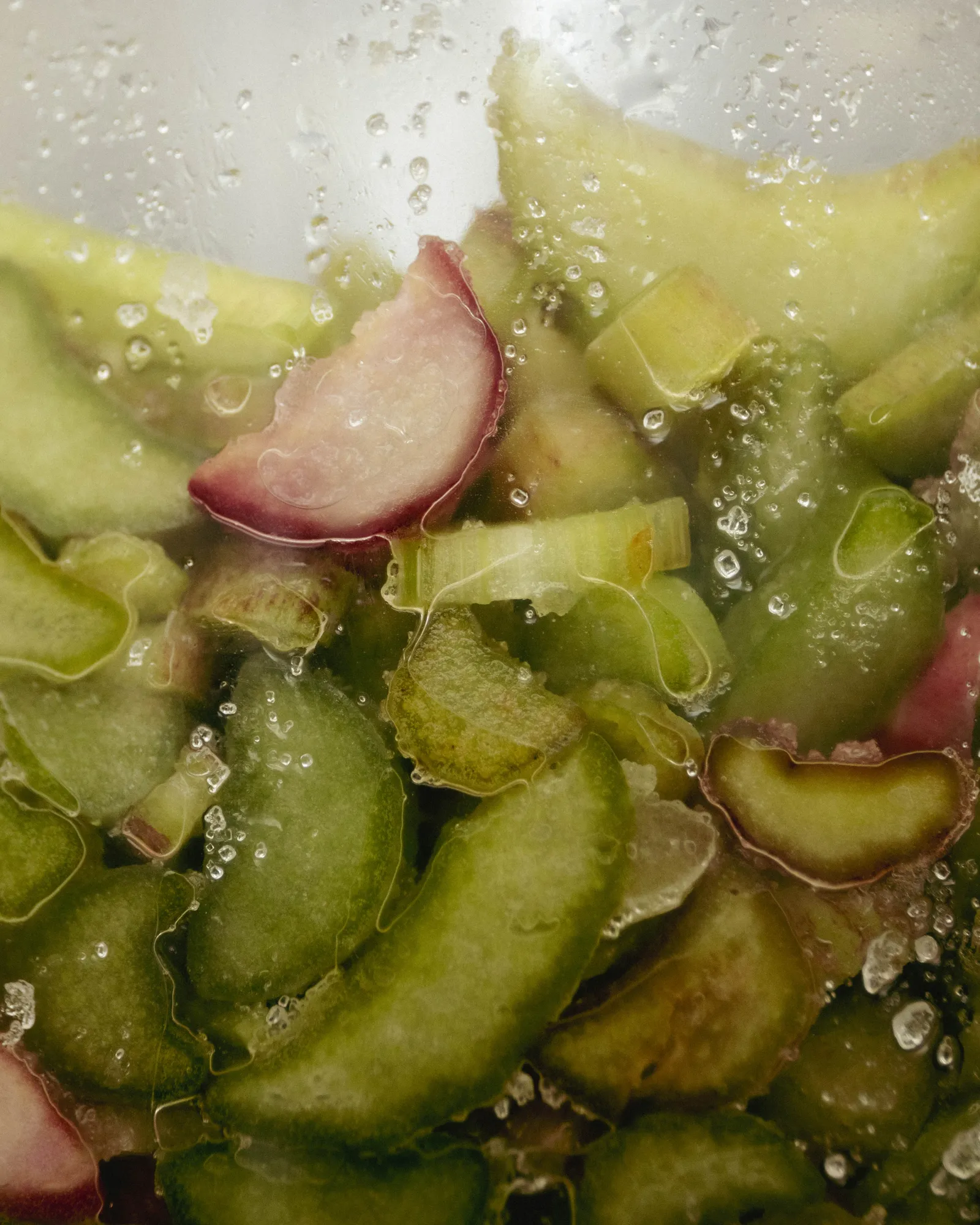
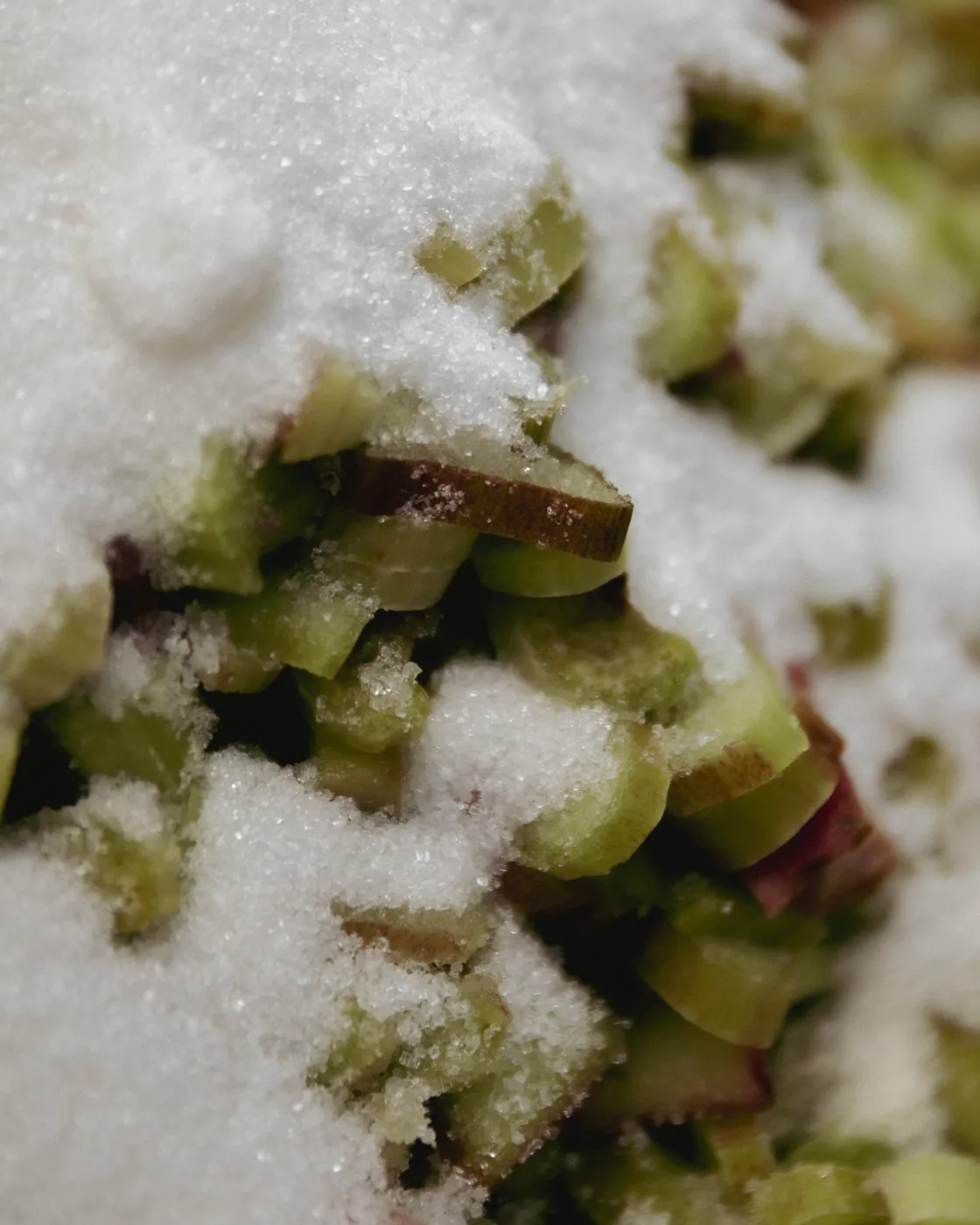
Chopped small and buried in sugar. By morning the sugar has pulled the juice out of it.
rhubarb shrub
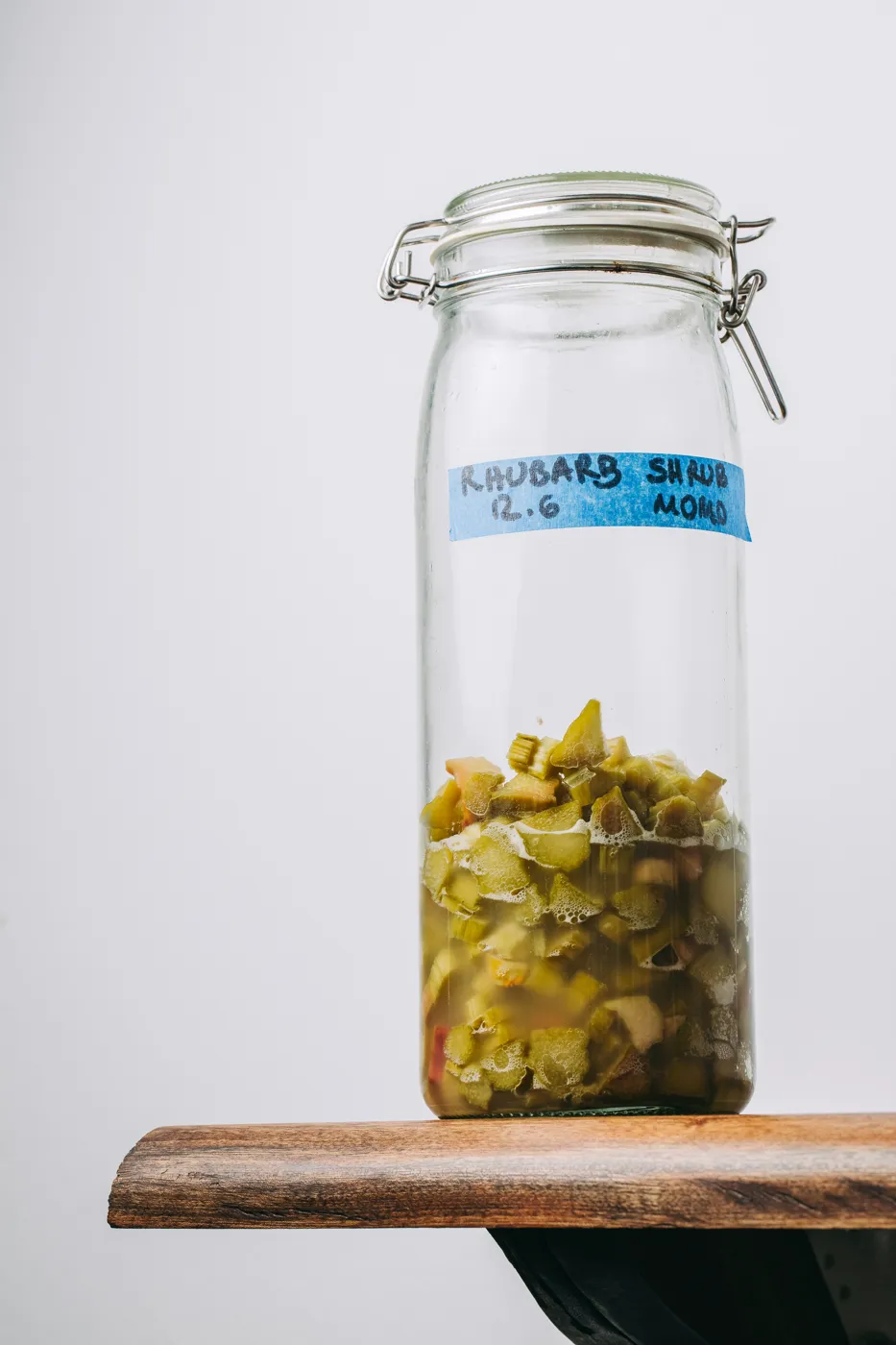
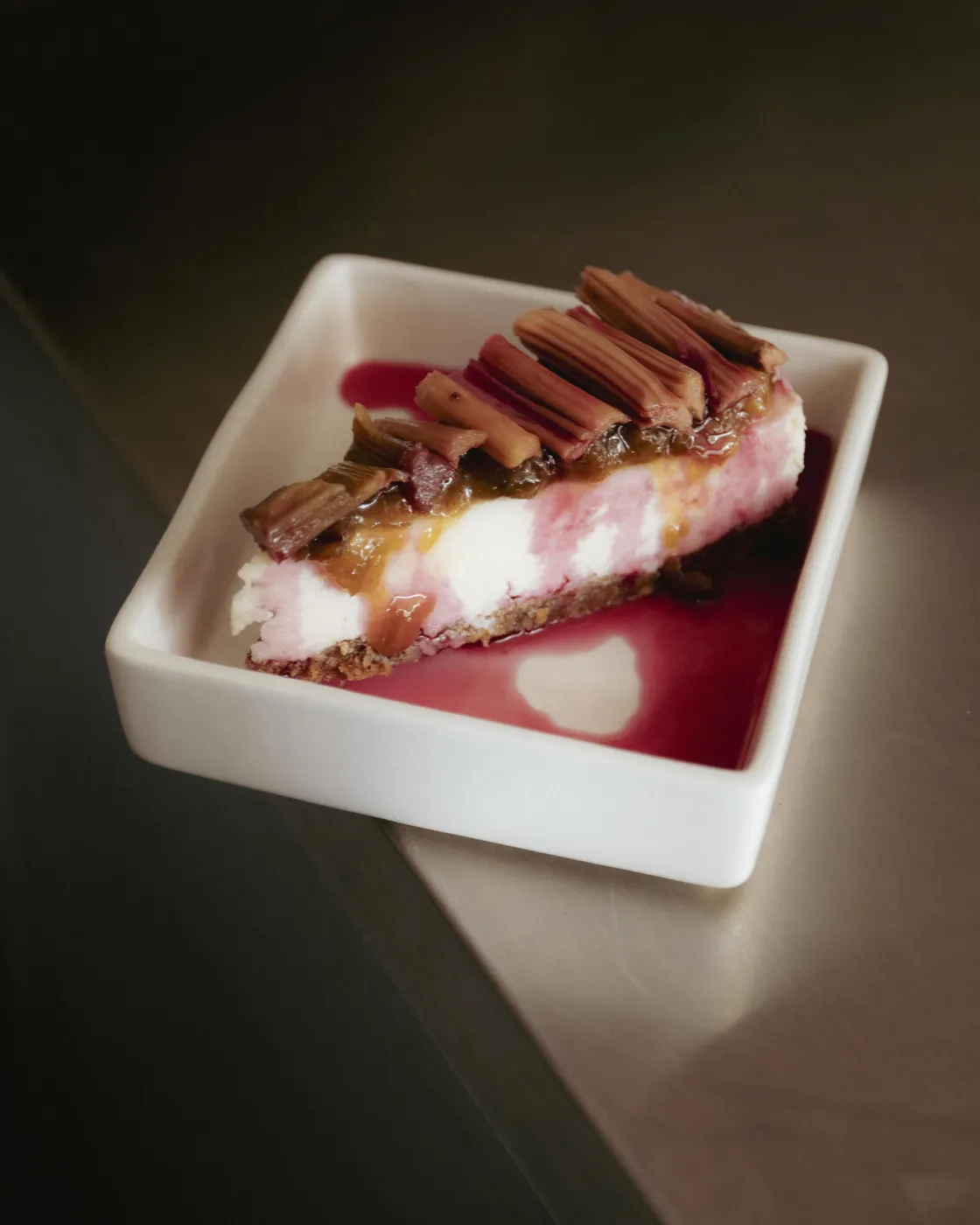
Vinegar goes in. Rhubarb, sugar, vinegar. Sharp, sweet, and it keeps. At the bar it goes into sparkling water as the seasonal soda.
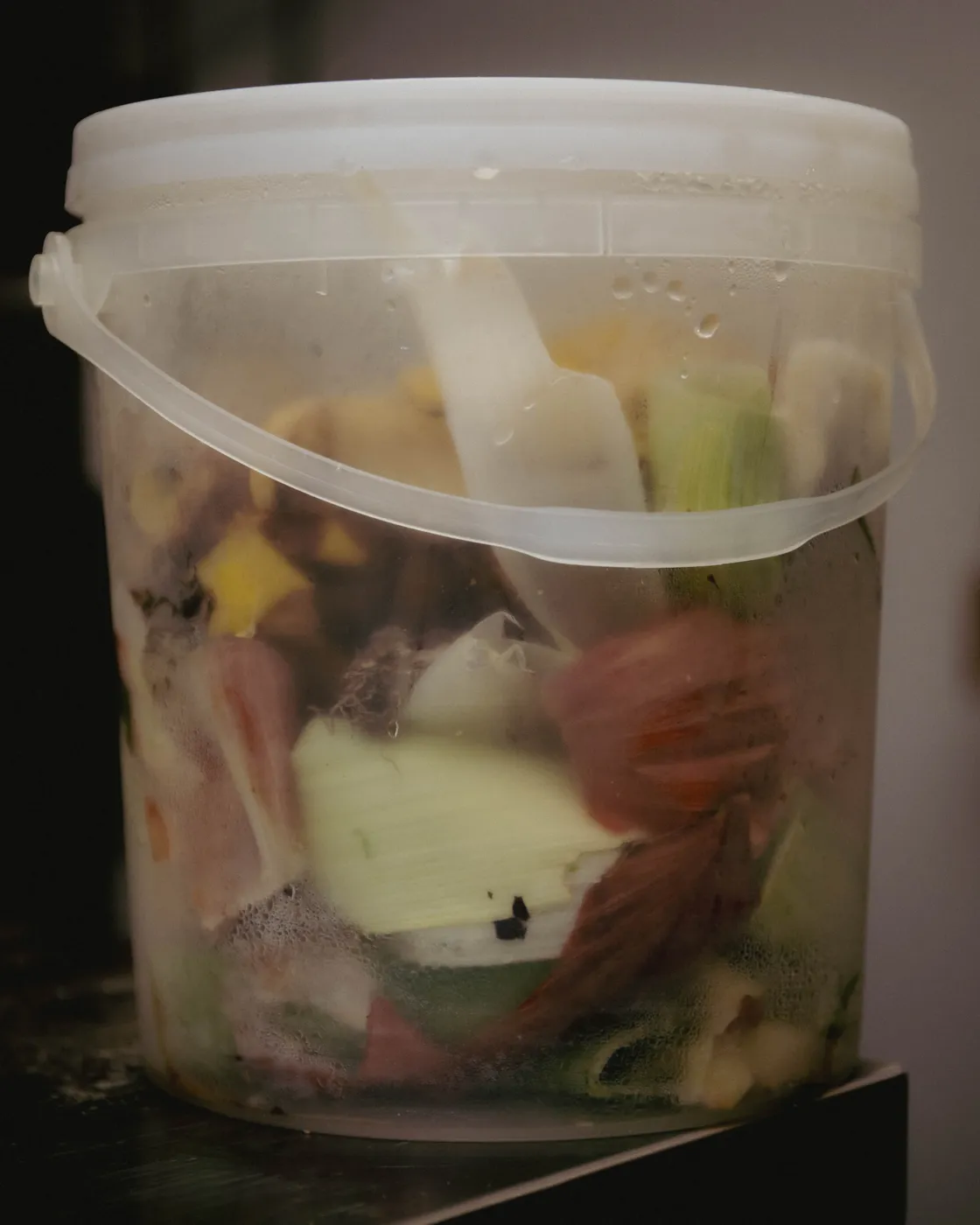
the bucket
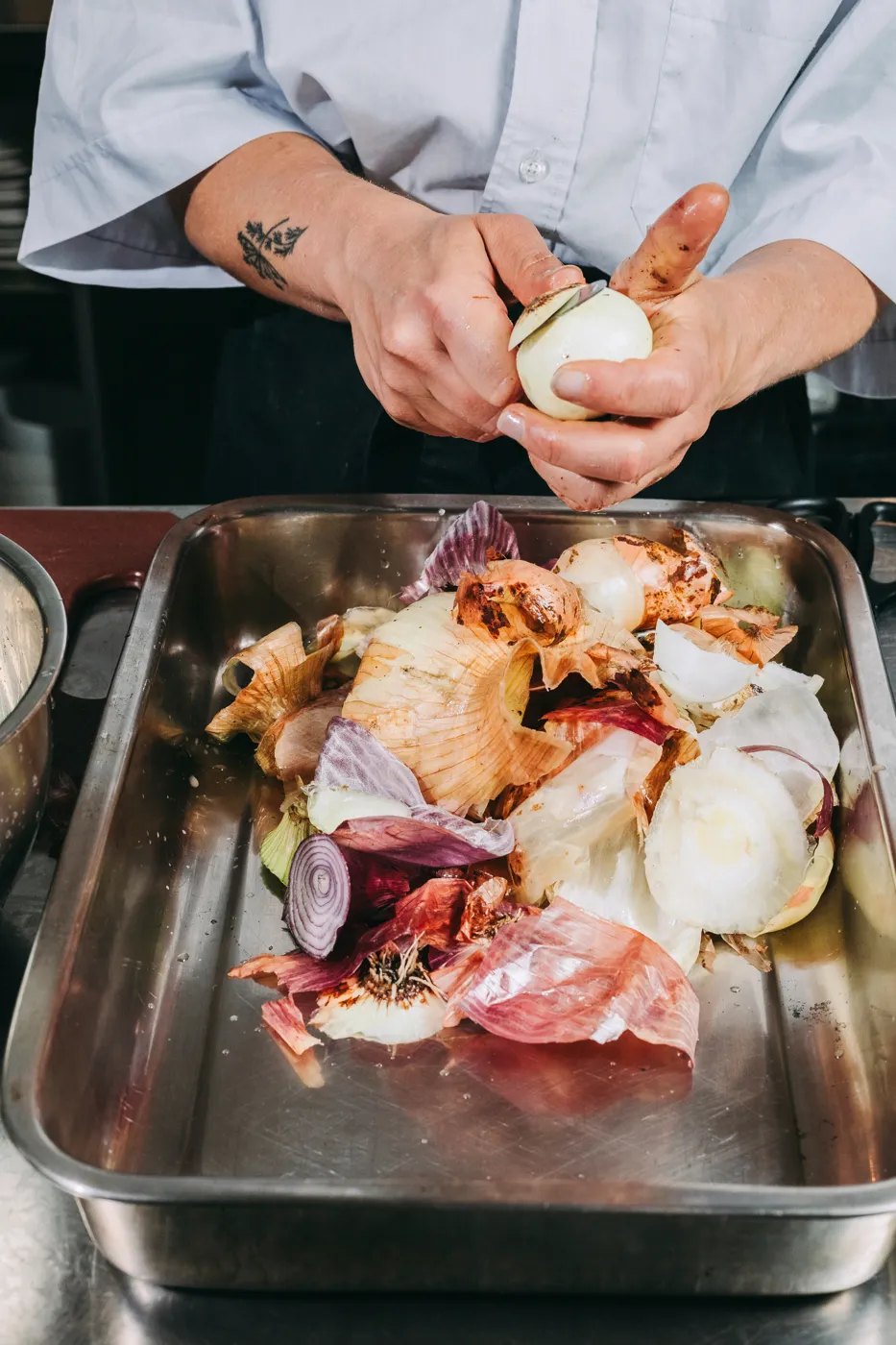
What the board leaves through the day goes into one bucket. It boils into stock, and the stock boils down again, further down this page.
what comes off the board, the pot and the bar, and where it ends up.
Each card is one route. The big frame is the plate it reached; the small ones are how it got there.
from the board
skins, tops, stalks and peel from prep.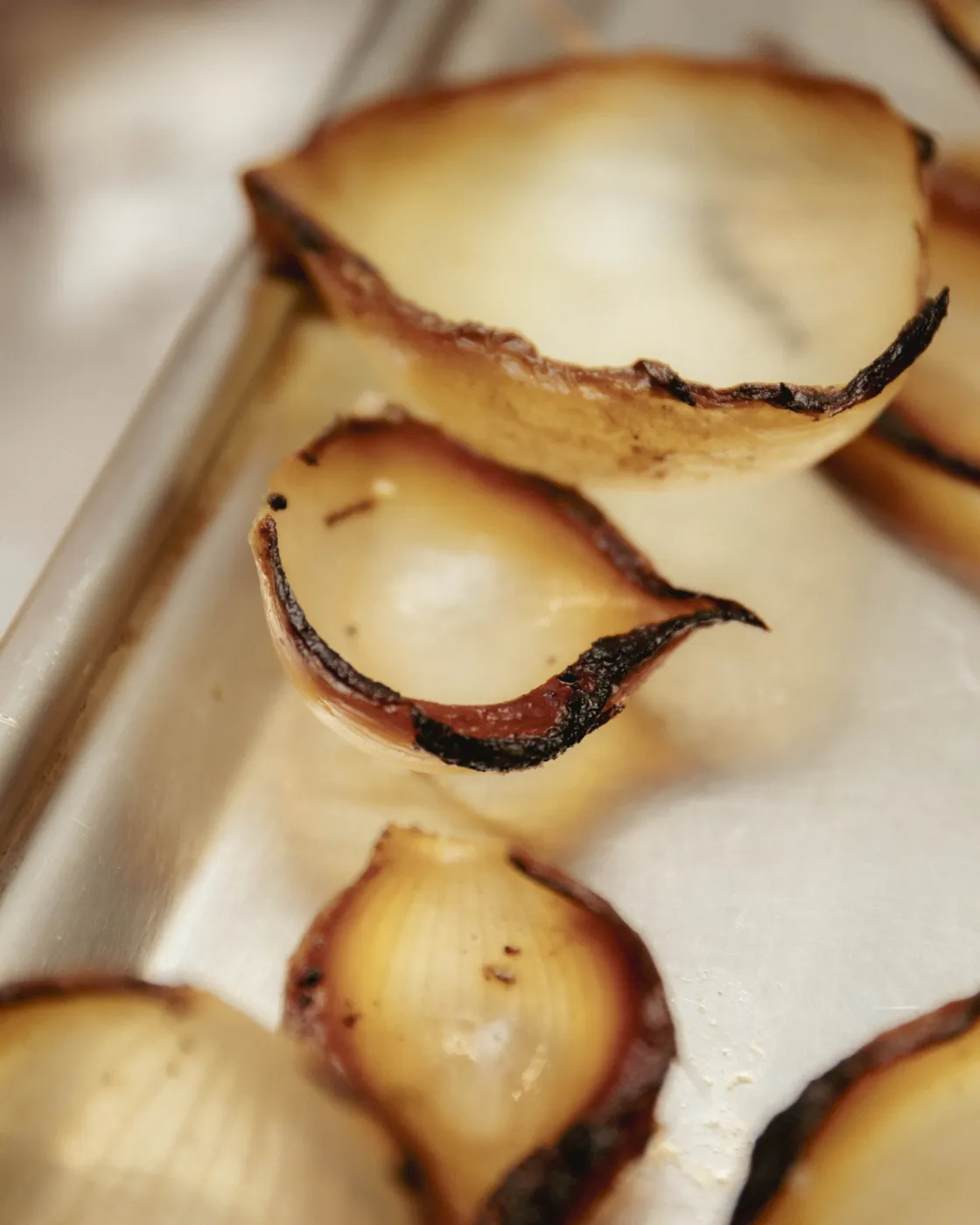
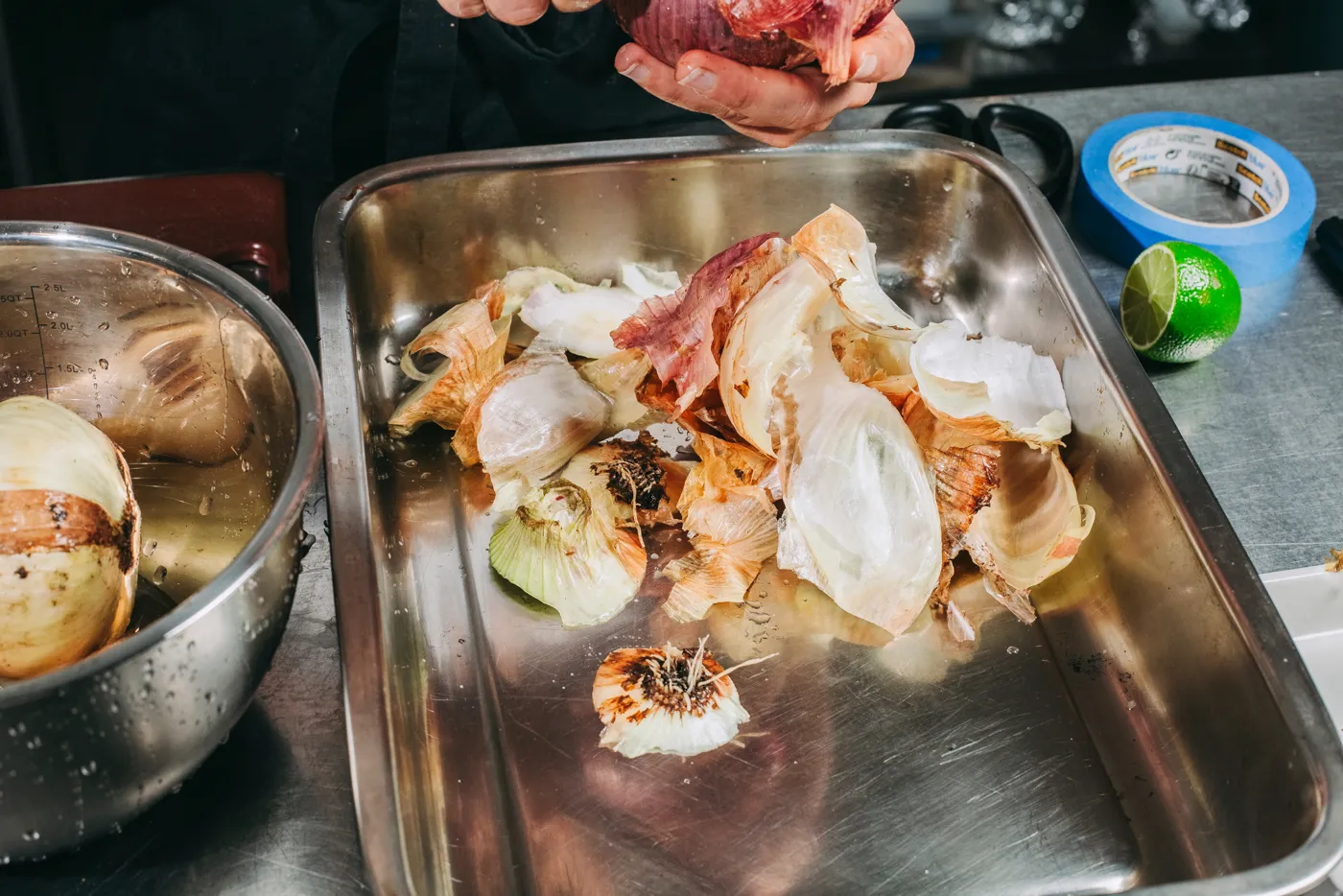 skins
skins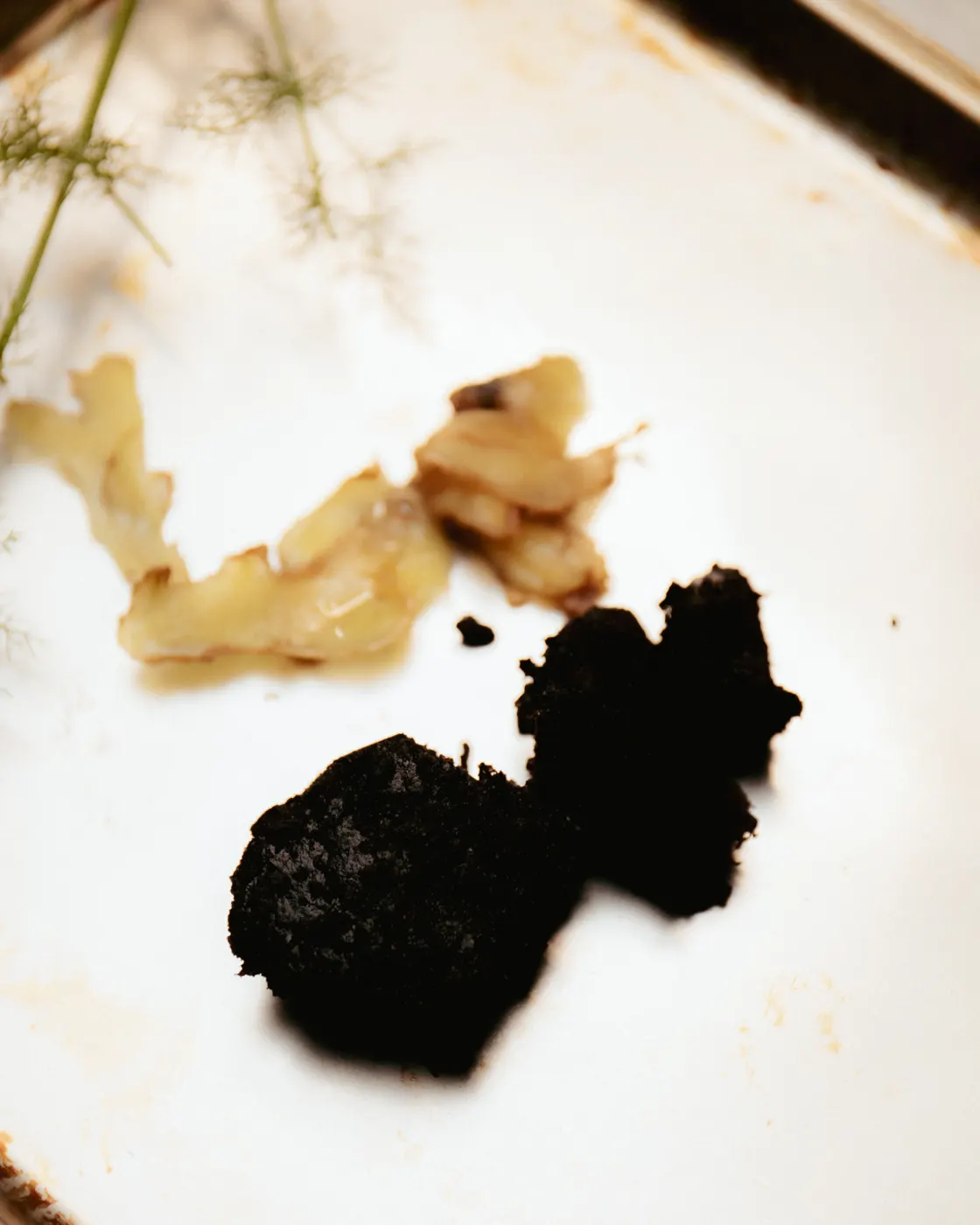 burnt
burntonion skins, into an ash oil
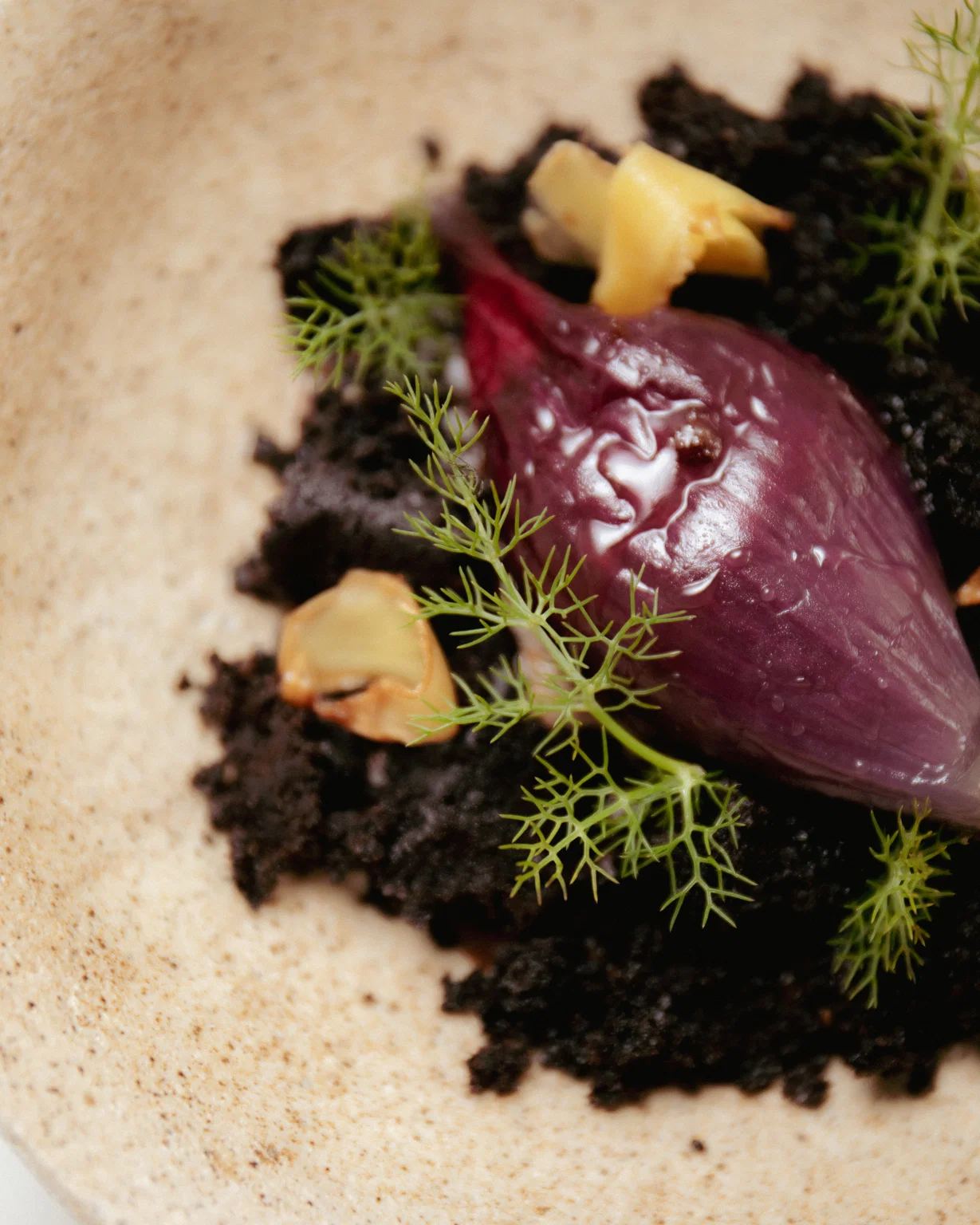
The dry outer layers go on a tray, into the oven until black, then ground and stirred into oil. It went over the charred onions.
charred onions · plum sauce · white corn porridge · onion peel ash oil
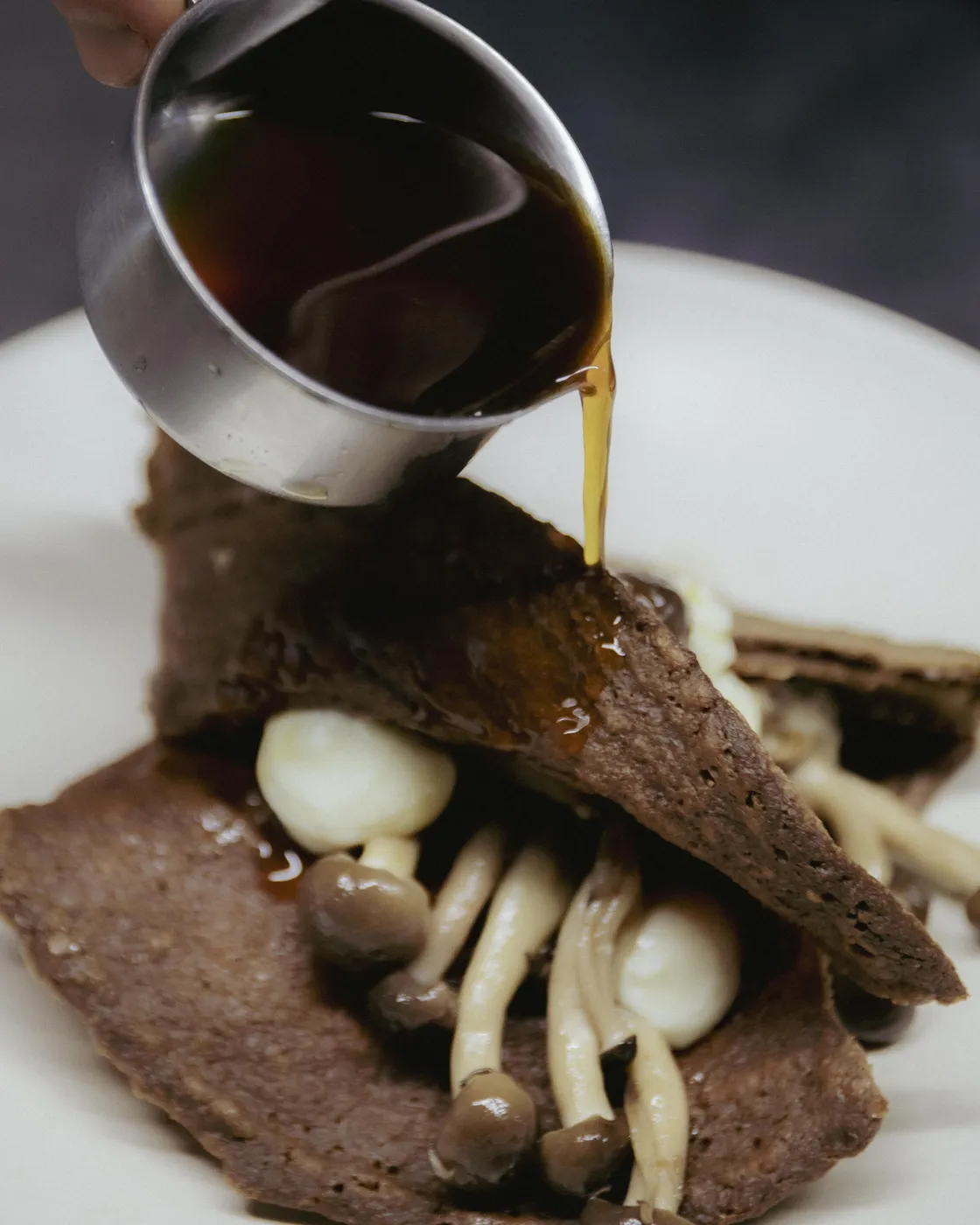
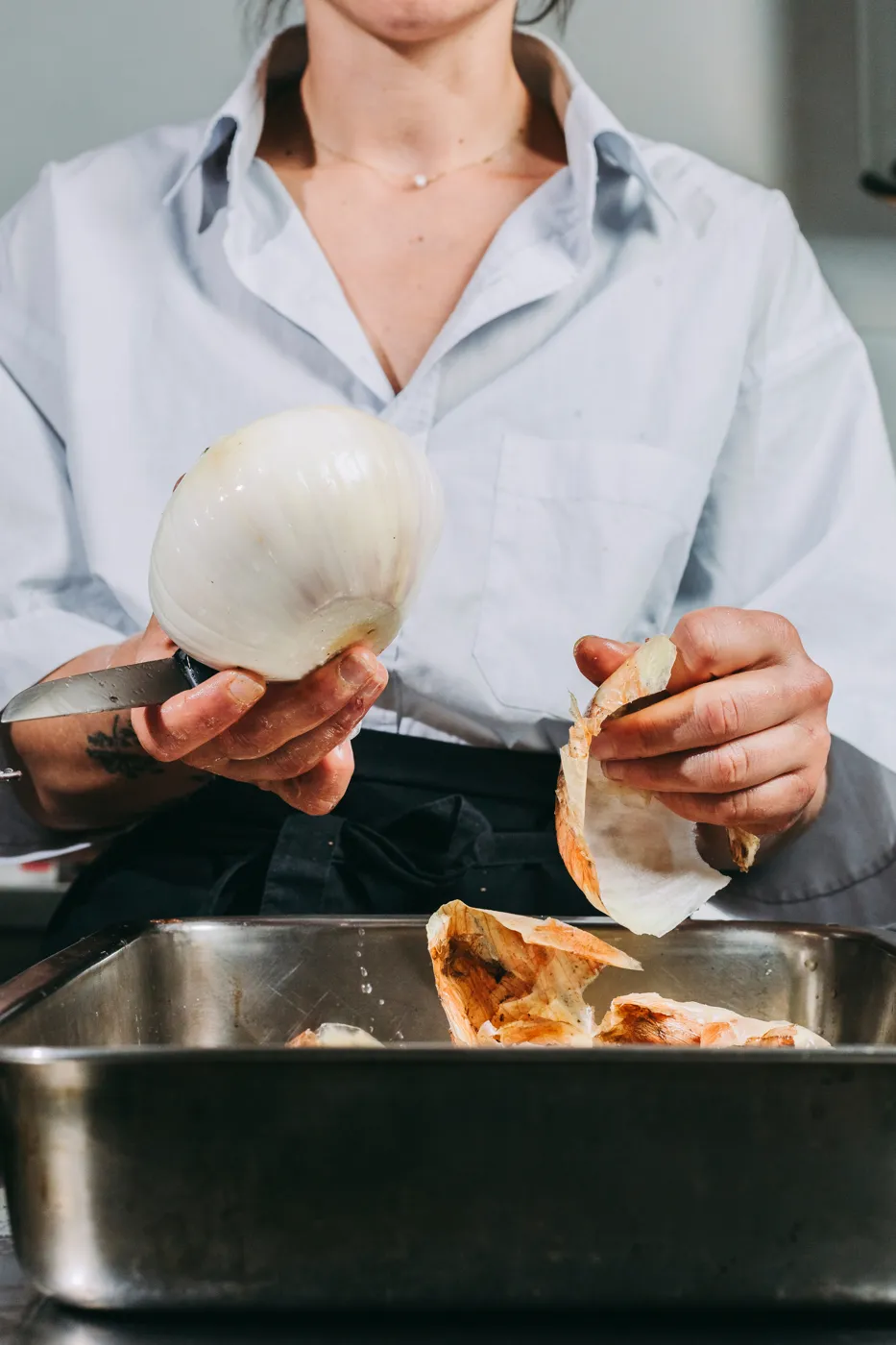 skins
skins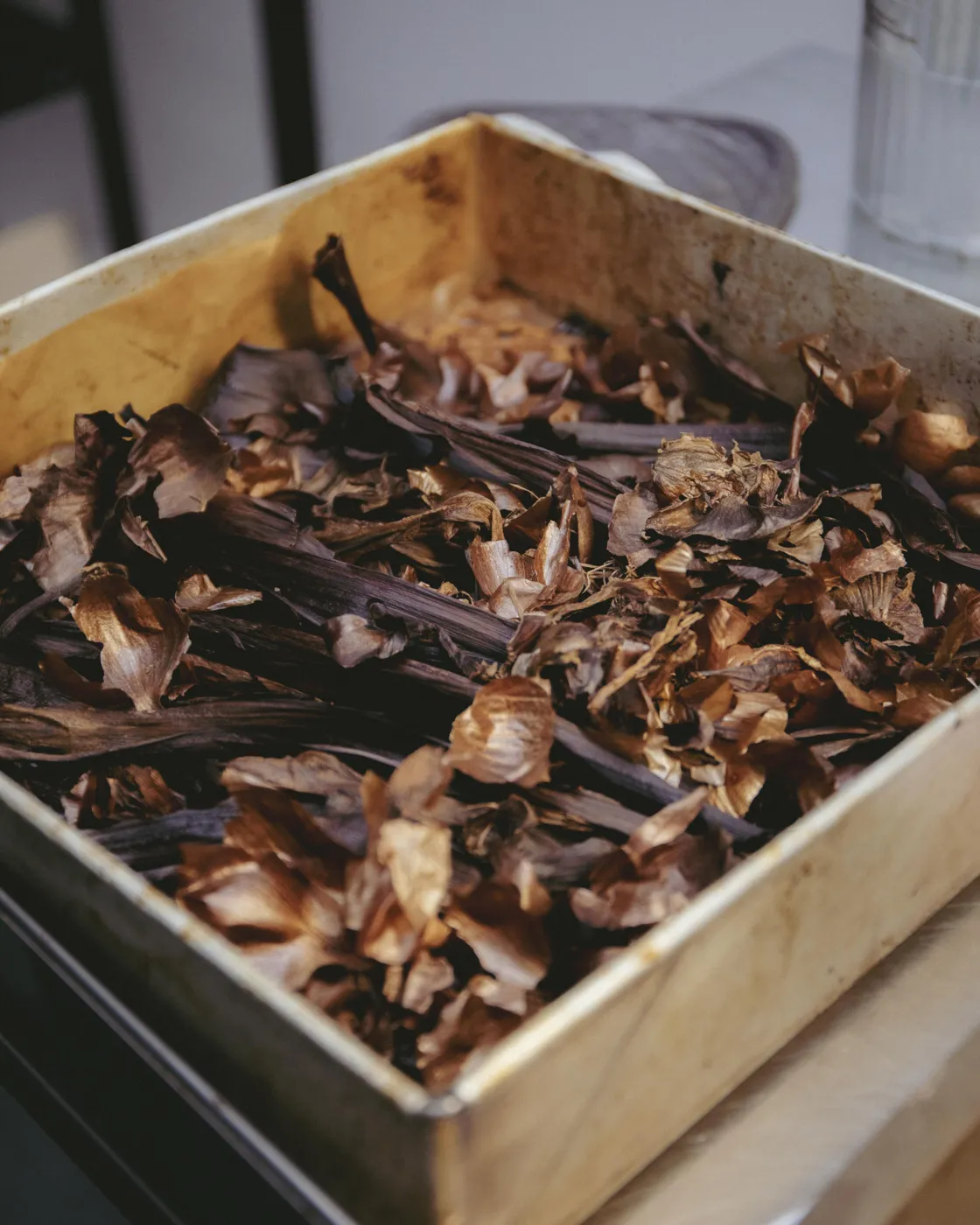 charred
onion skins, into a broth
Five grams of burnt skin in the pot with the kukicha tea, poured over the acorn crepe and mushrooms. Another recipe that season ground the burnt peel with nigella seed into a powder.
mushrooms · acorn flour · brown lentil pâté · kukicha tea
 roasted
 reduced
onion treacle
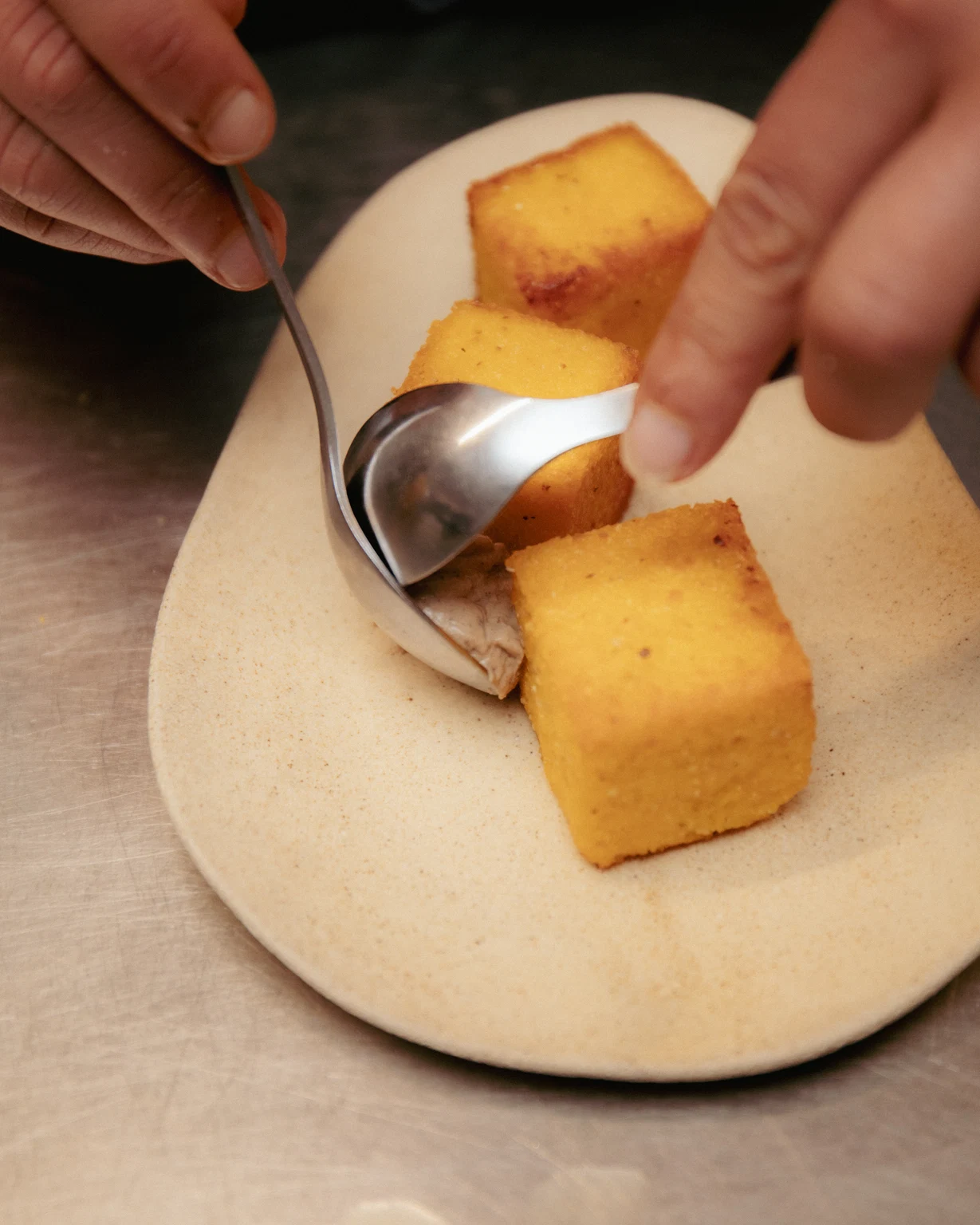
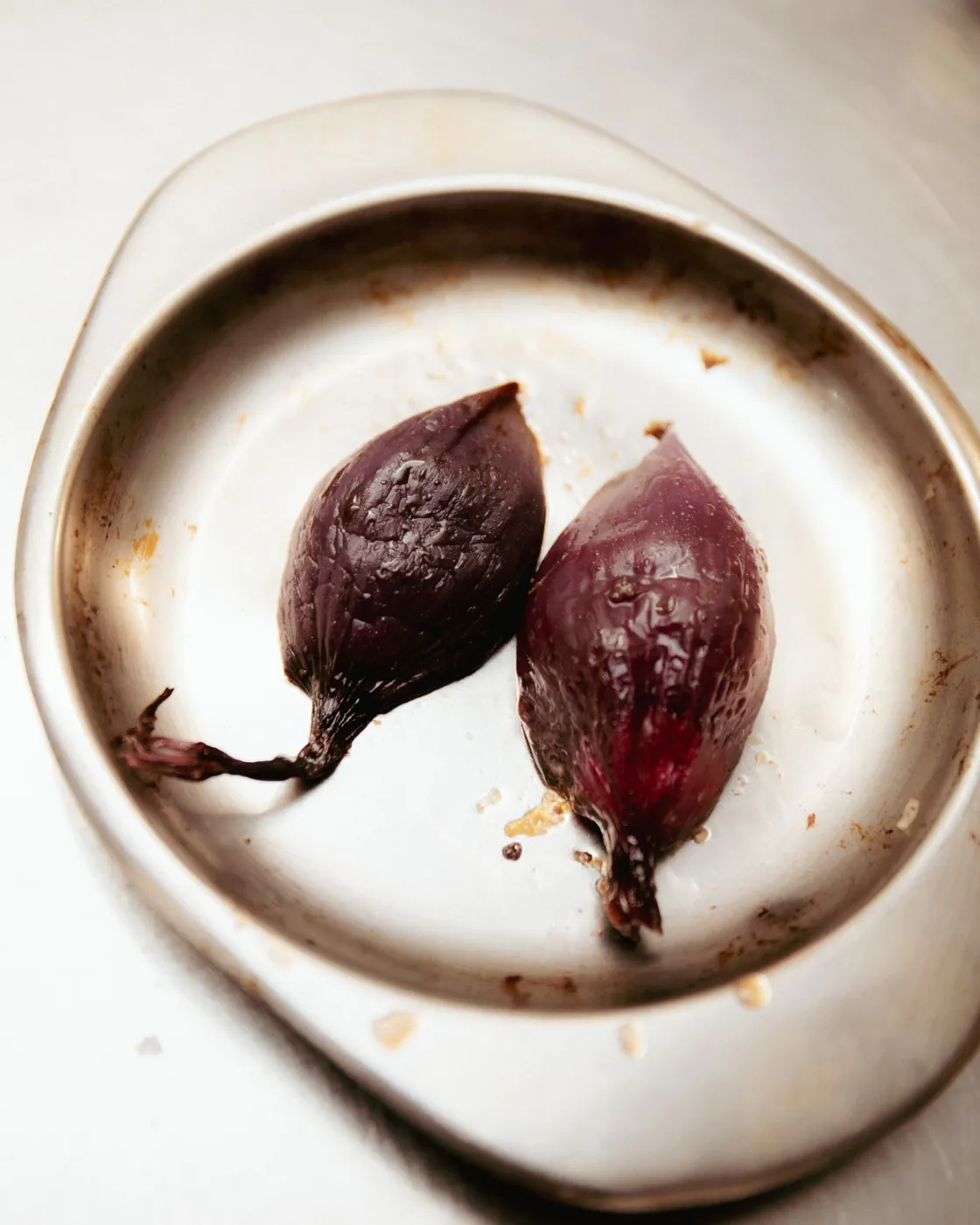
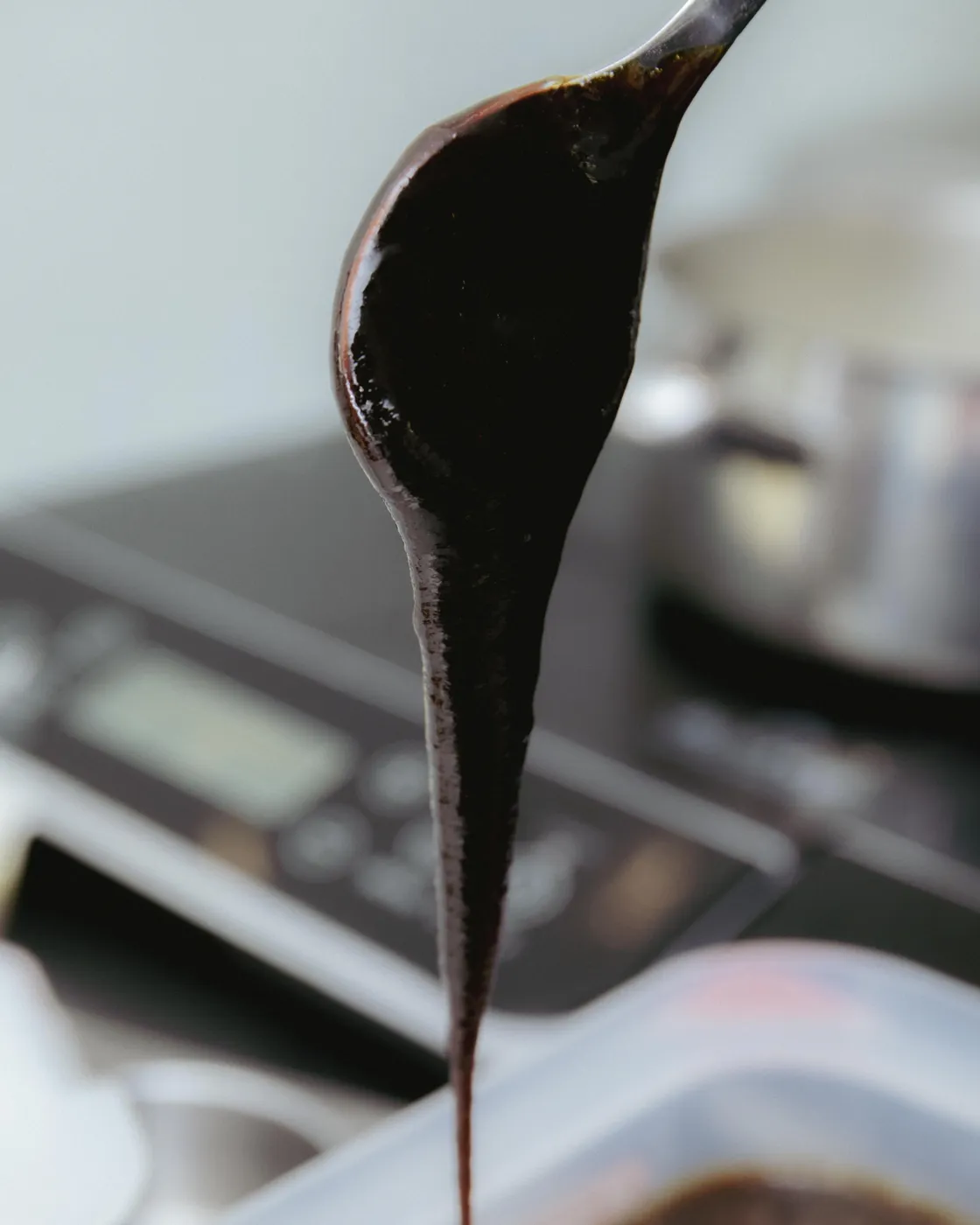
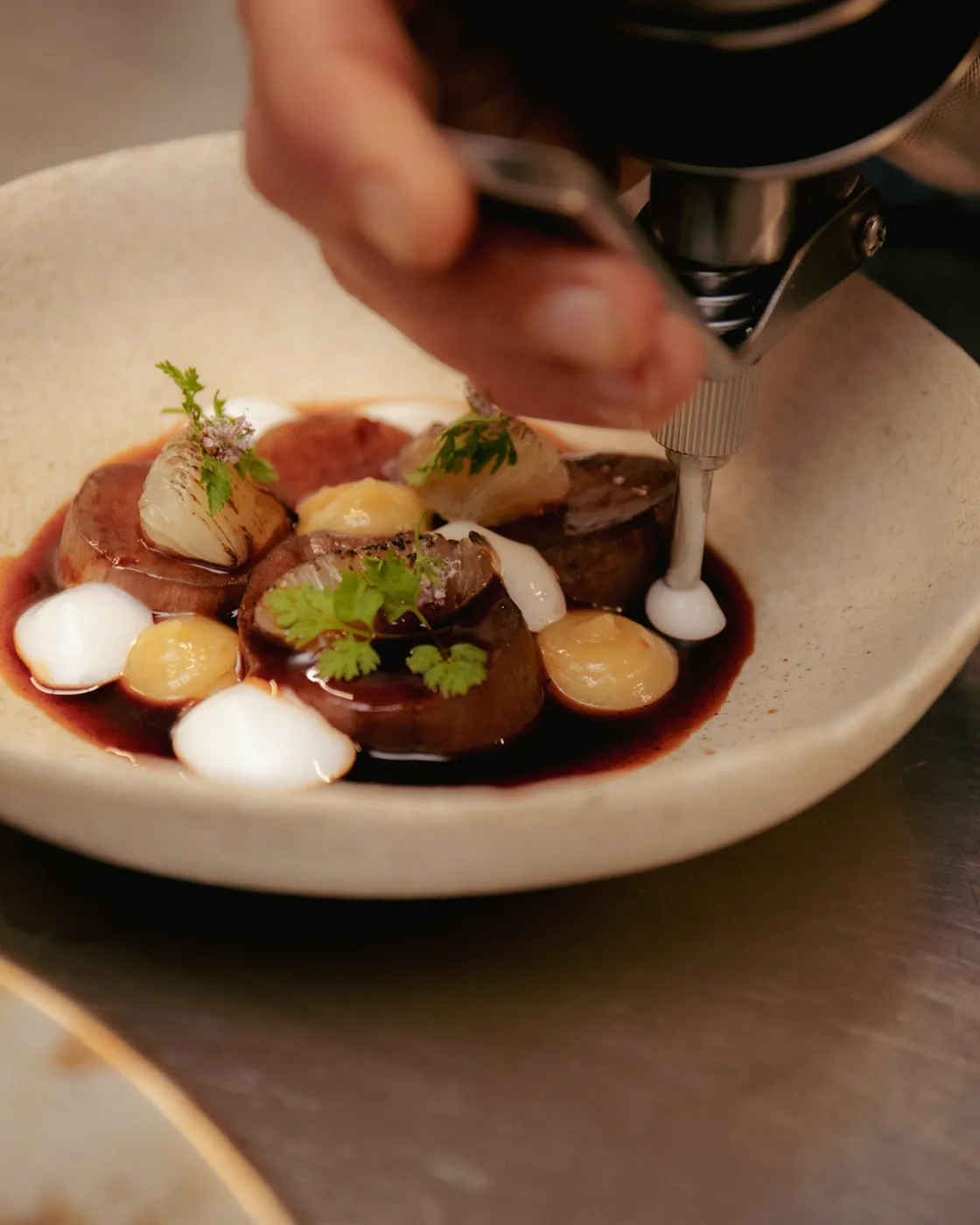
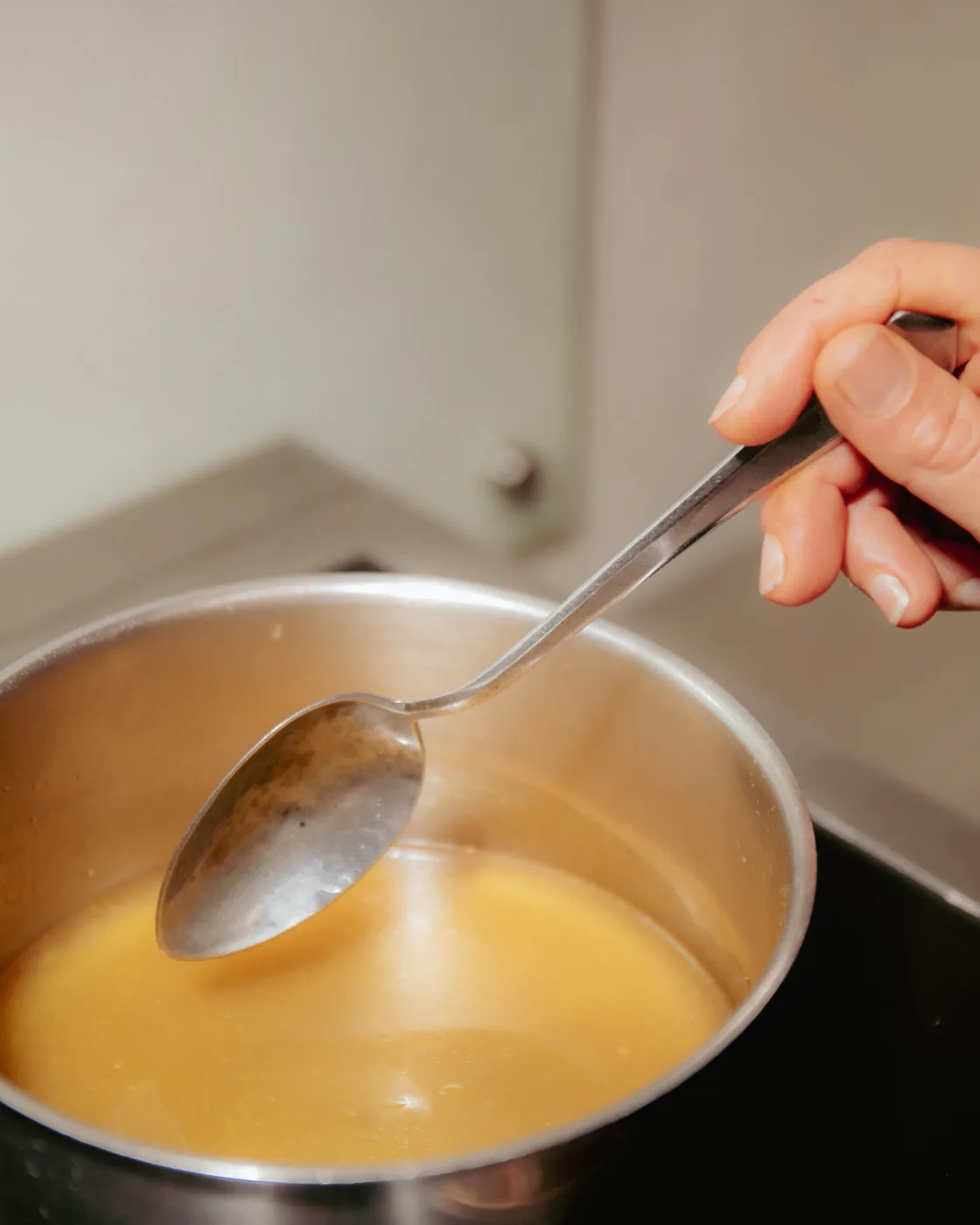
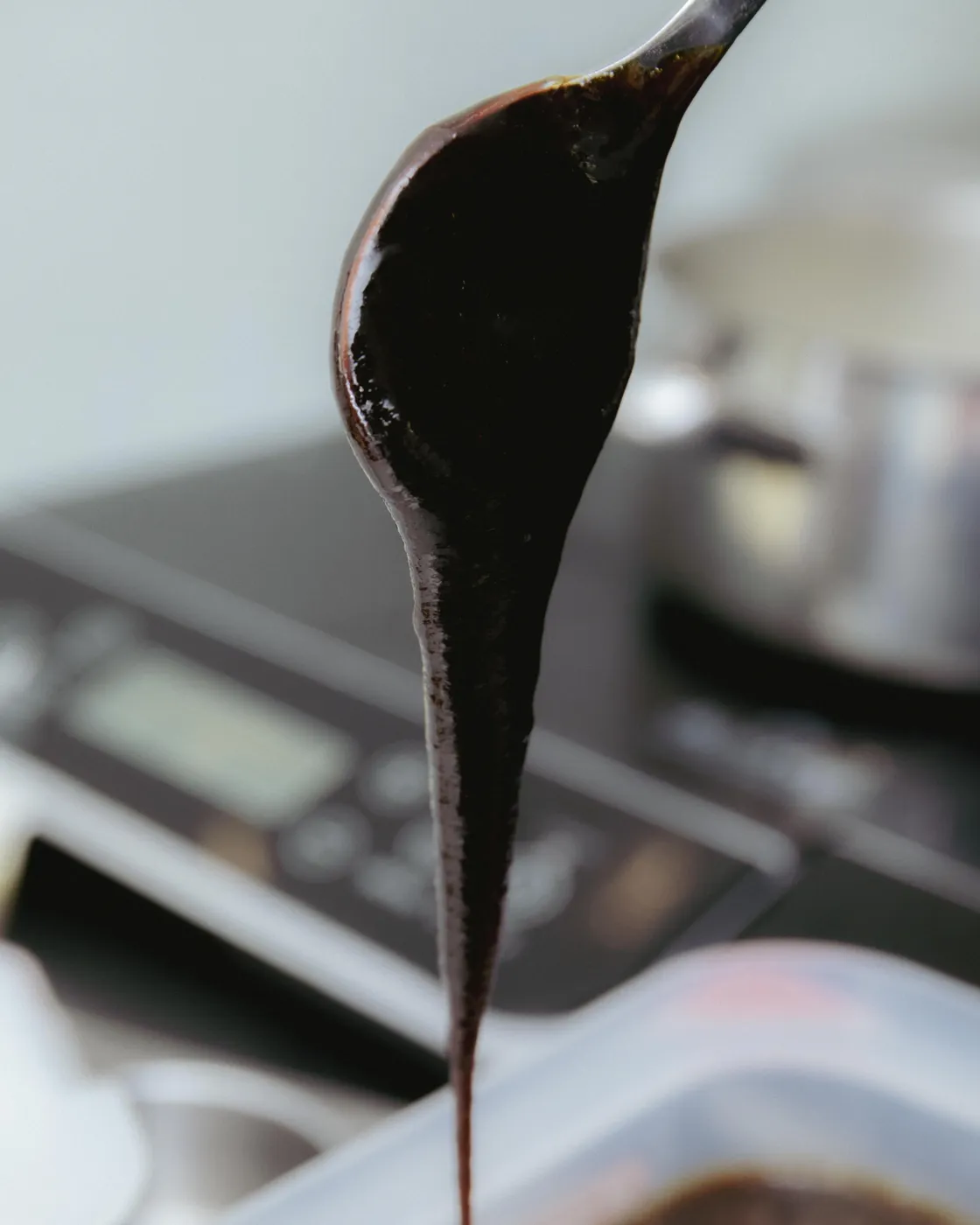
The onions for the spring menu roast for three hours, low and slow. What runs off them is cooked down until it falls off a spoon like this, and goes on the polenta as the house treacle.
deep-fried polenta · wild mushrooms · house marmite · house treacle
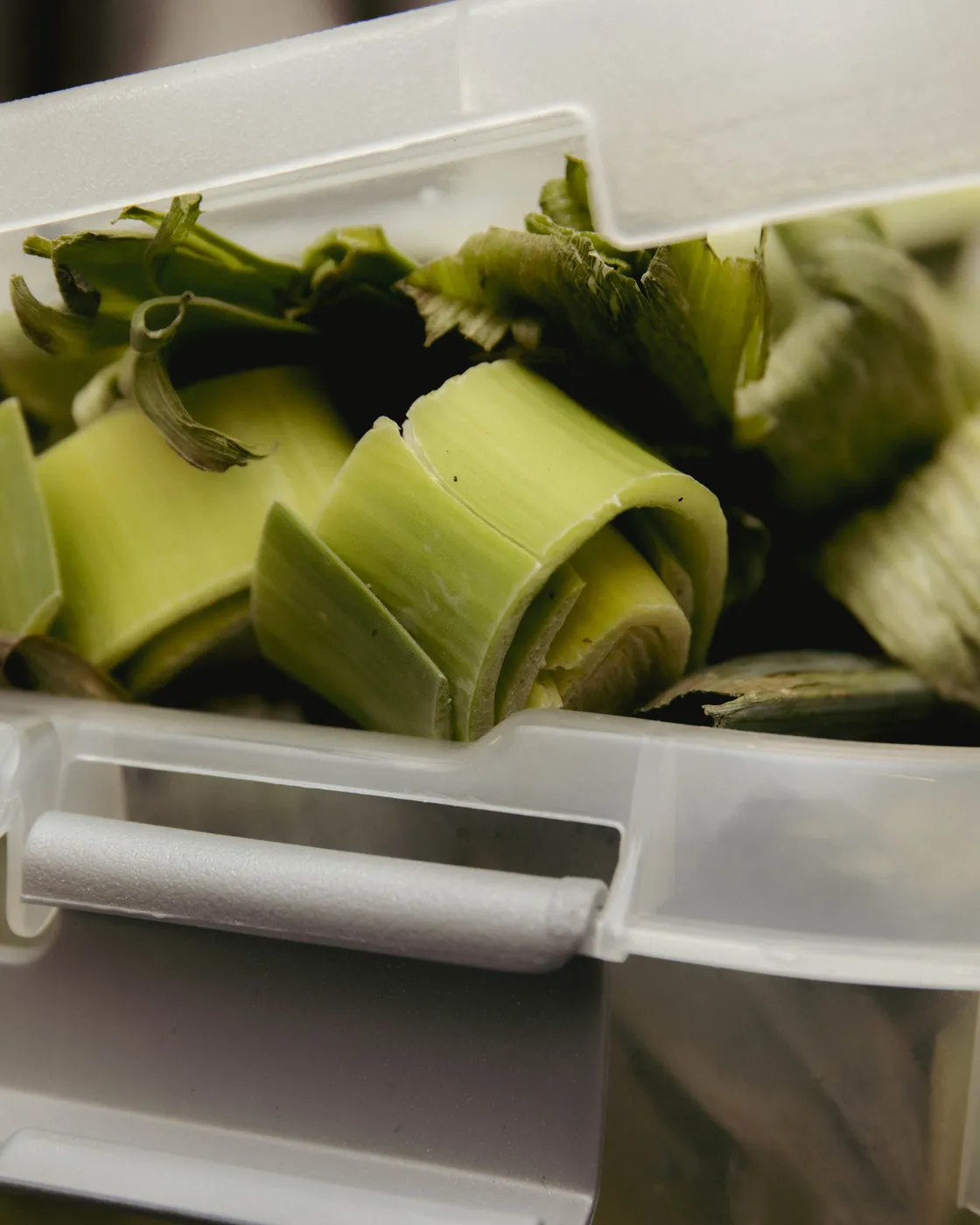 leek tops
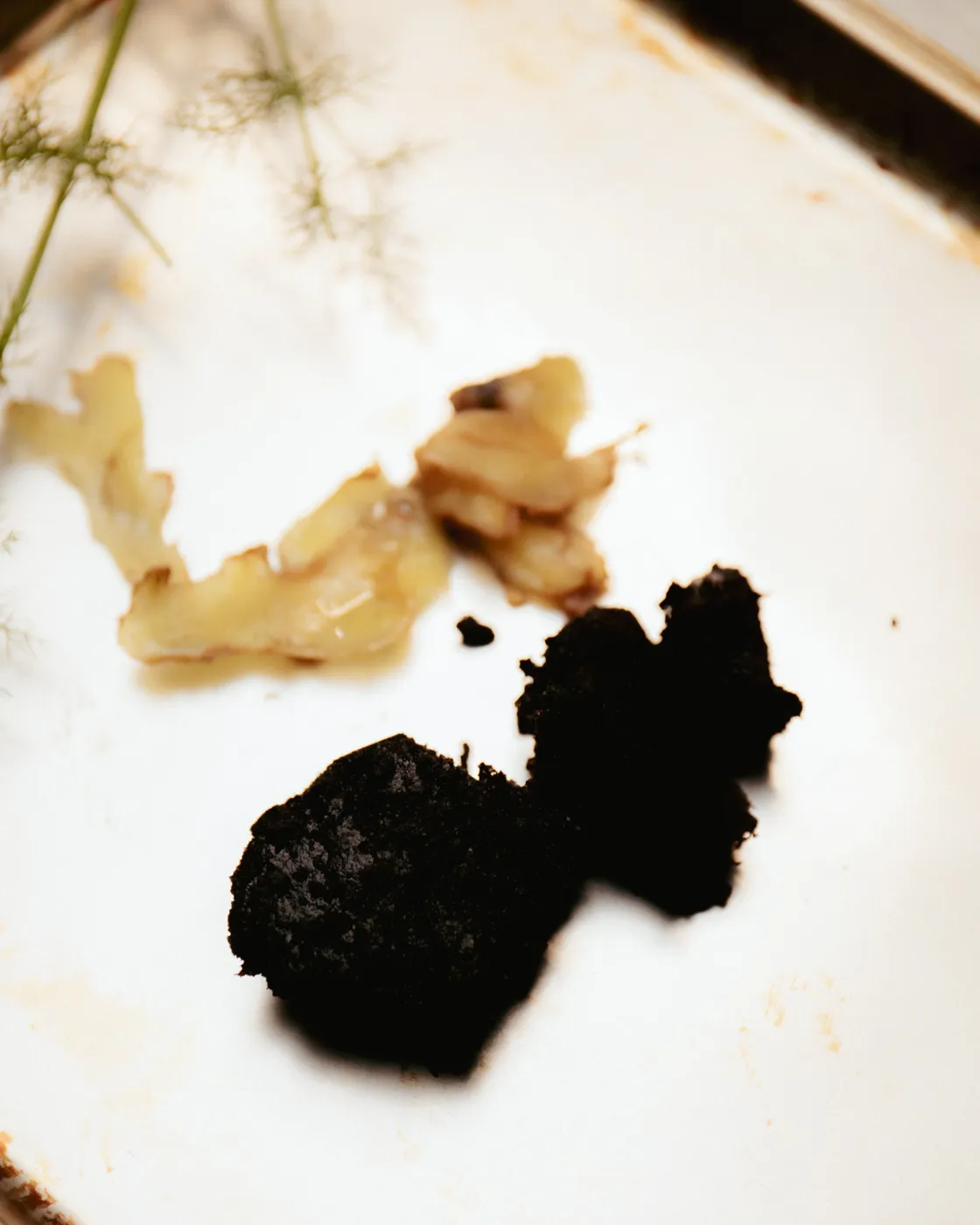 burnt
burntleek tops, into an ash
Trimmed from the leeks in the first dish, burnt in the oven, blended with smoked paprika and carried in oil onto the mushroom. Smoke around the 'scallop'.
king oyster mushroom · lemon curd · leek ash
 stalks
 blended
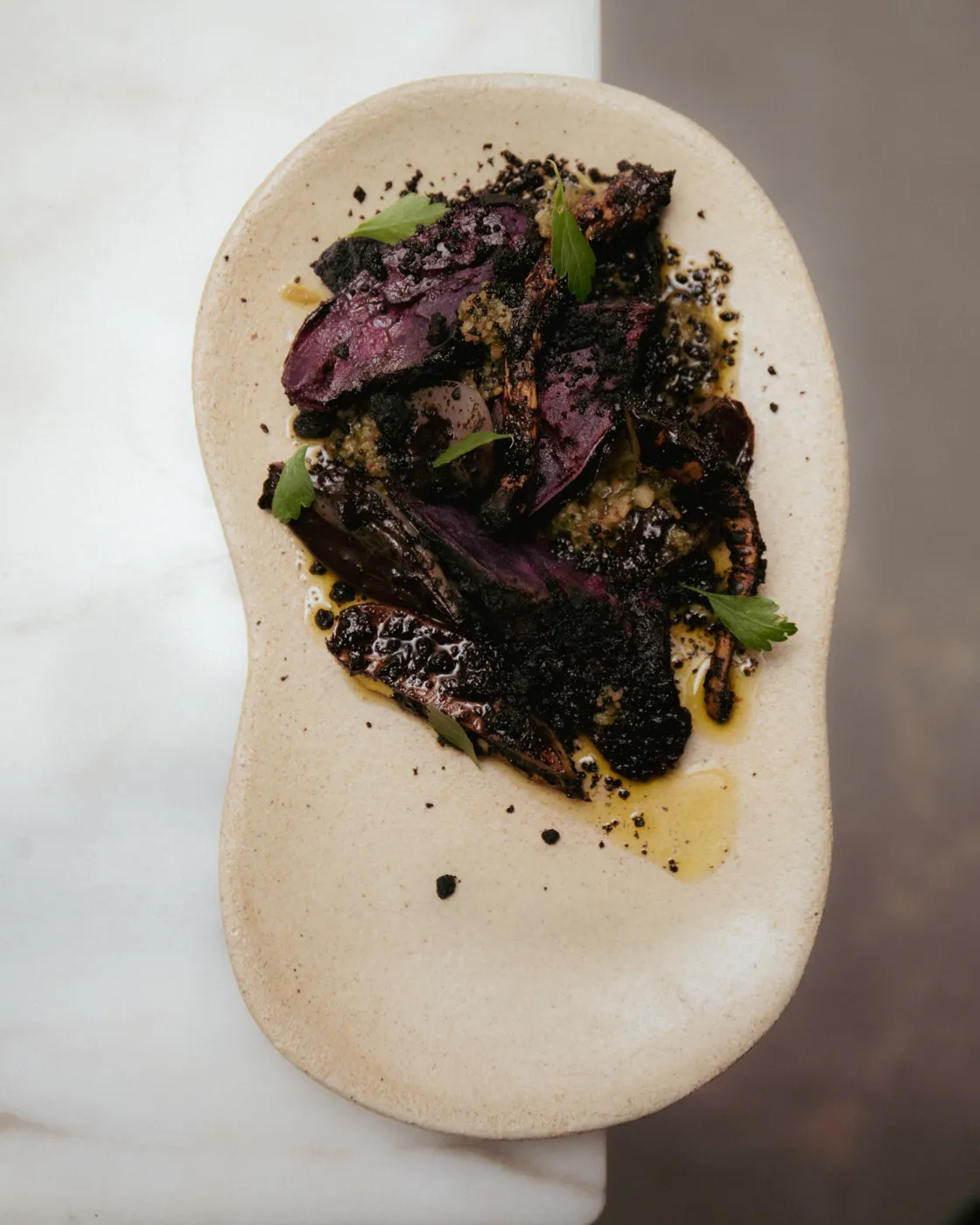
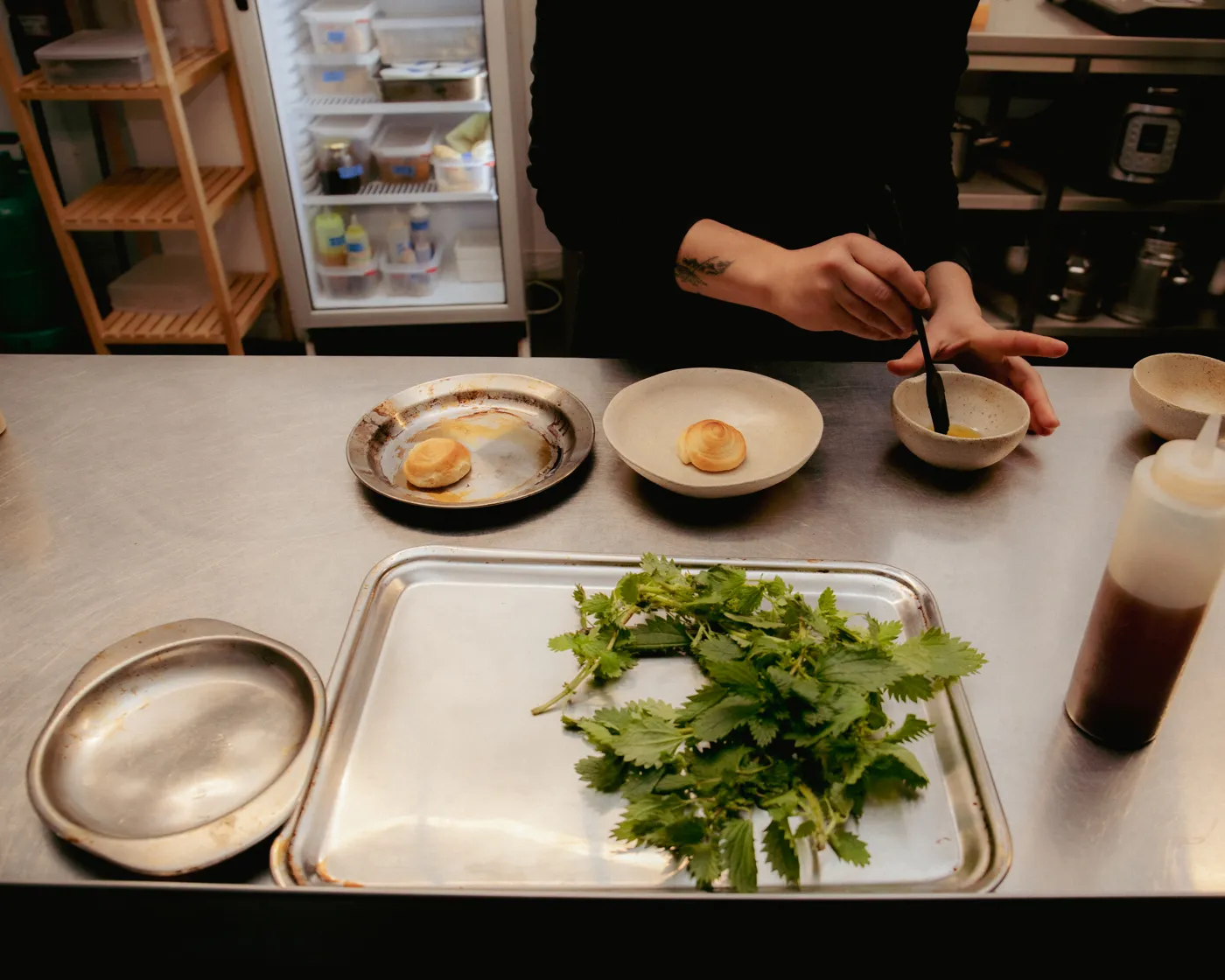
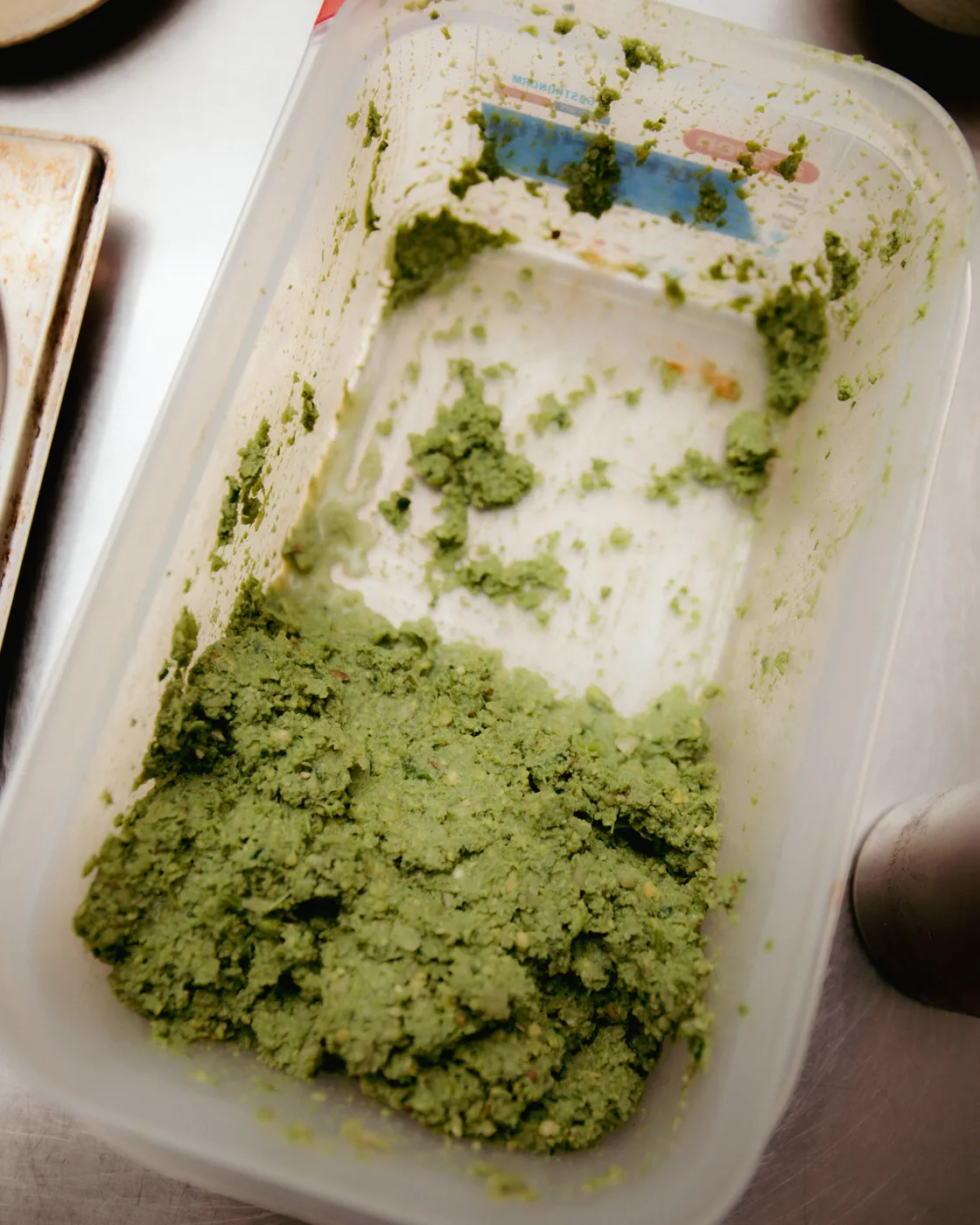
herb stalks, into a green sauce
What is left after the leaves are picked, blended into the sauce on the roots. The stalks also go into the braise for the sour leeks in spring, with dill stems, lemon and white pepper.
roots · onions · coffee
 frozen
 shaved
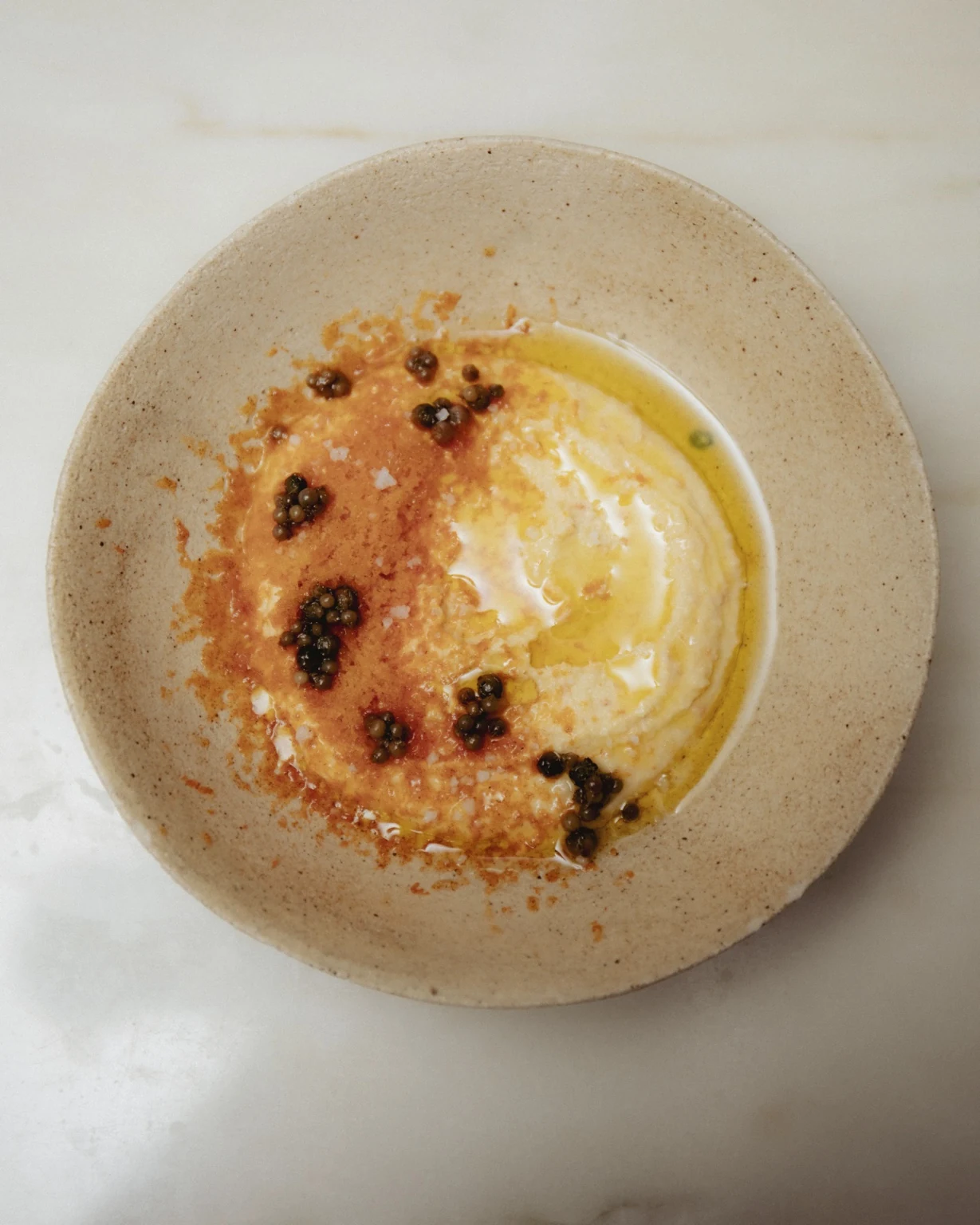
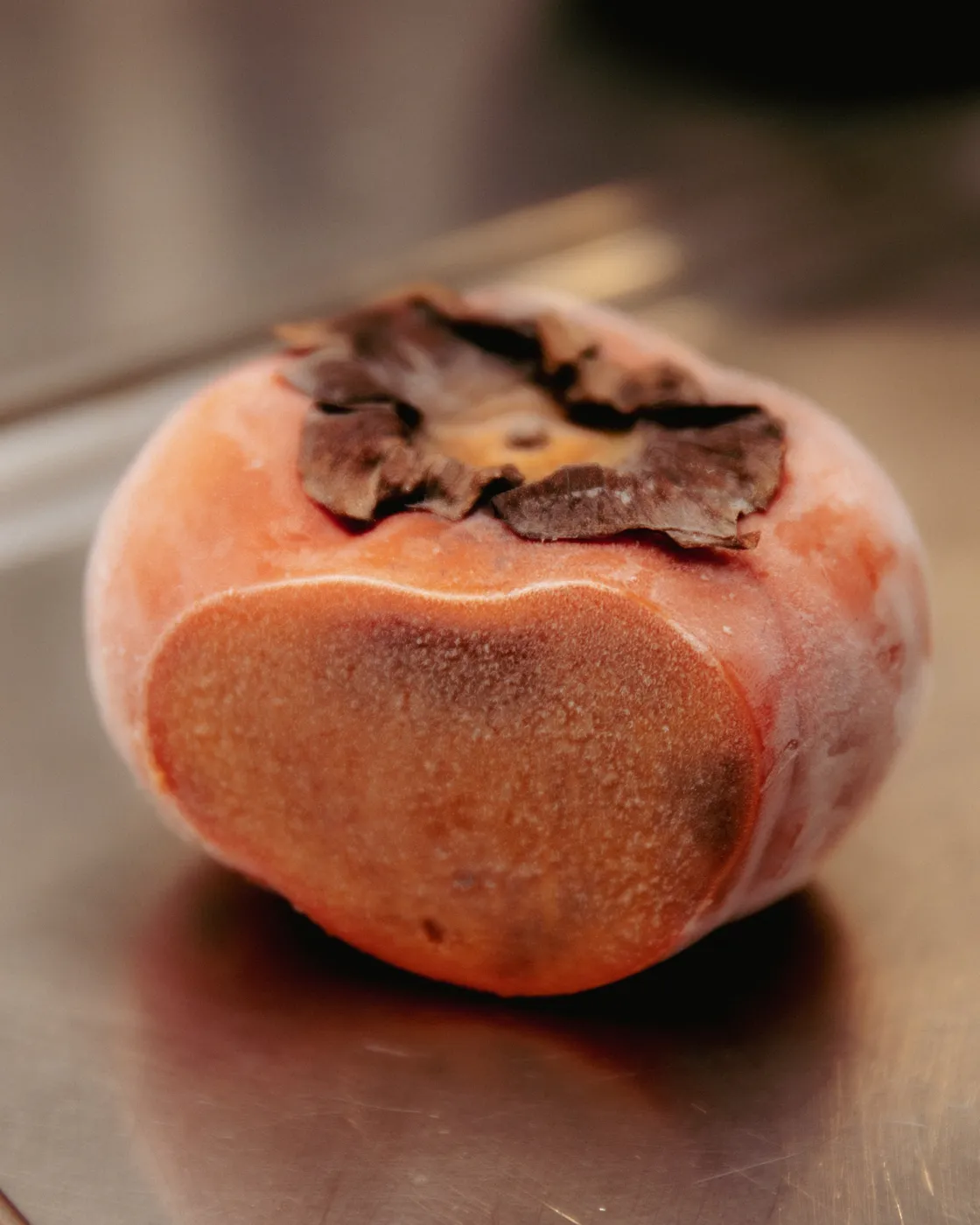
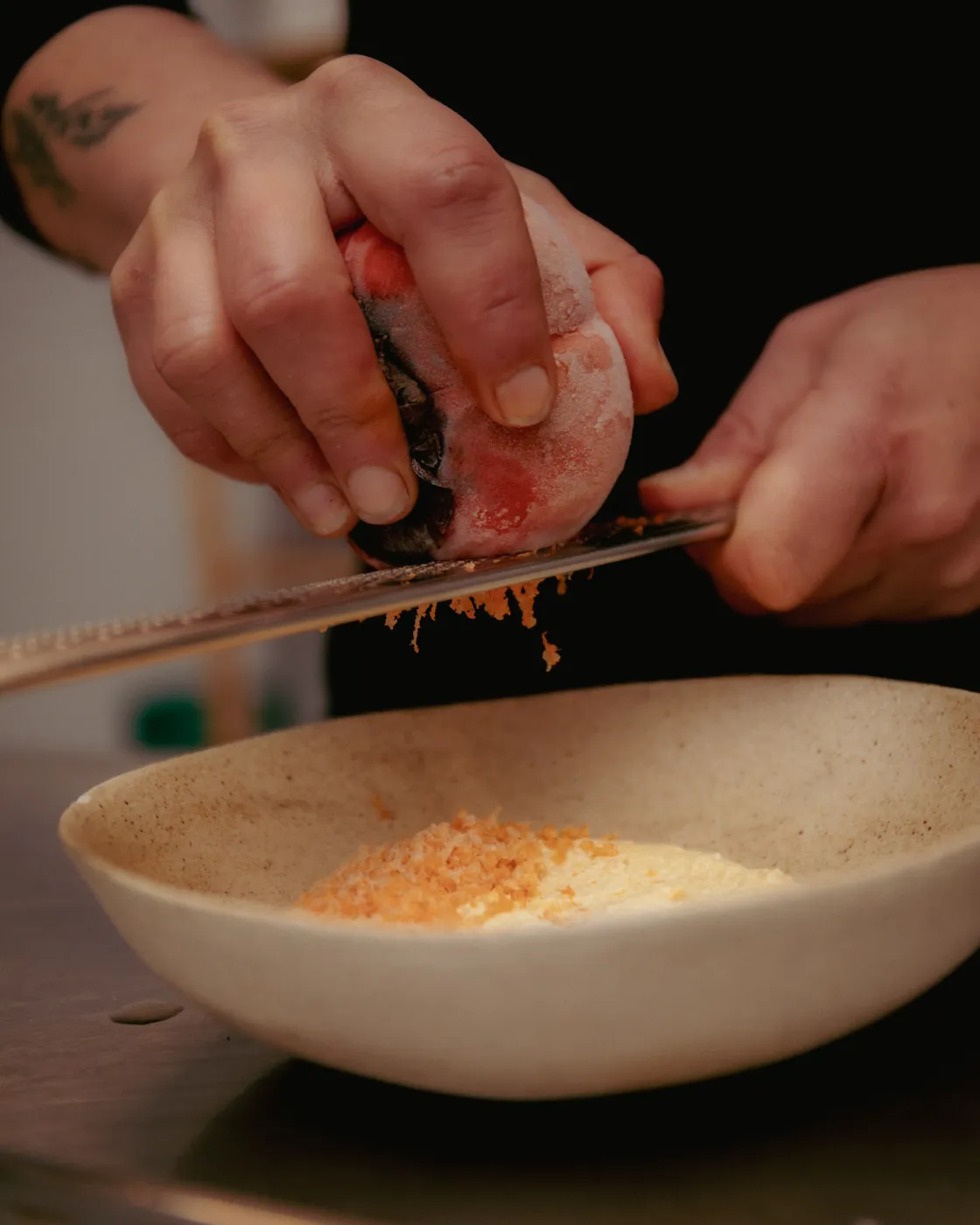
persimmon, frozen whole
A ripe persimmon has a short window. Frozen whole it keeps, and shaved frozen over the macadamia ricotta it does something a fresh one cannot: the ice dissolves against the cream.
macadamia · pumpkin · persimmon
from the pot
cooking water, whey, pulp, the fruit left in a syrup.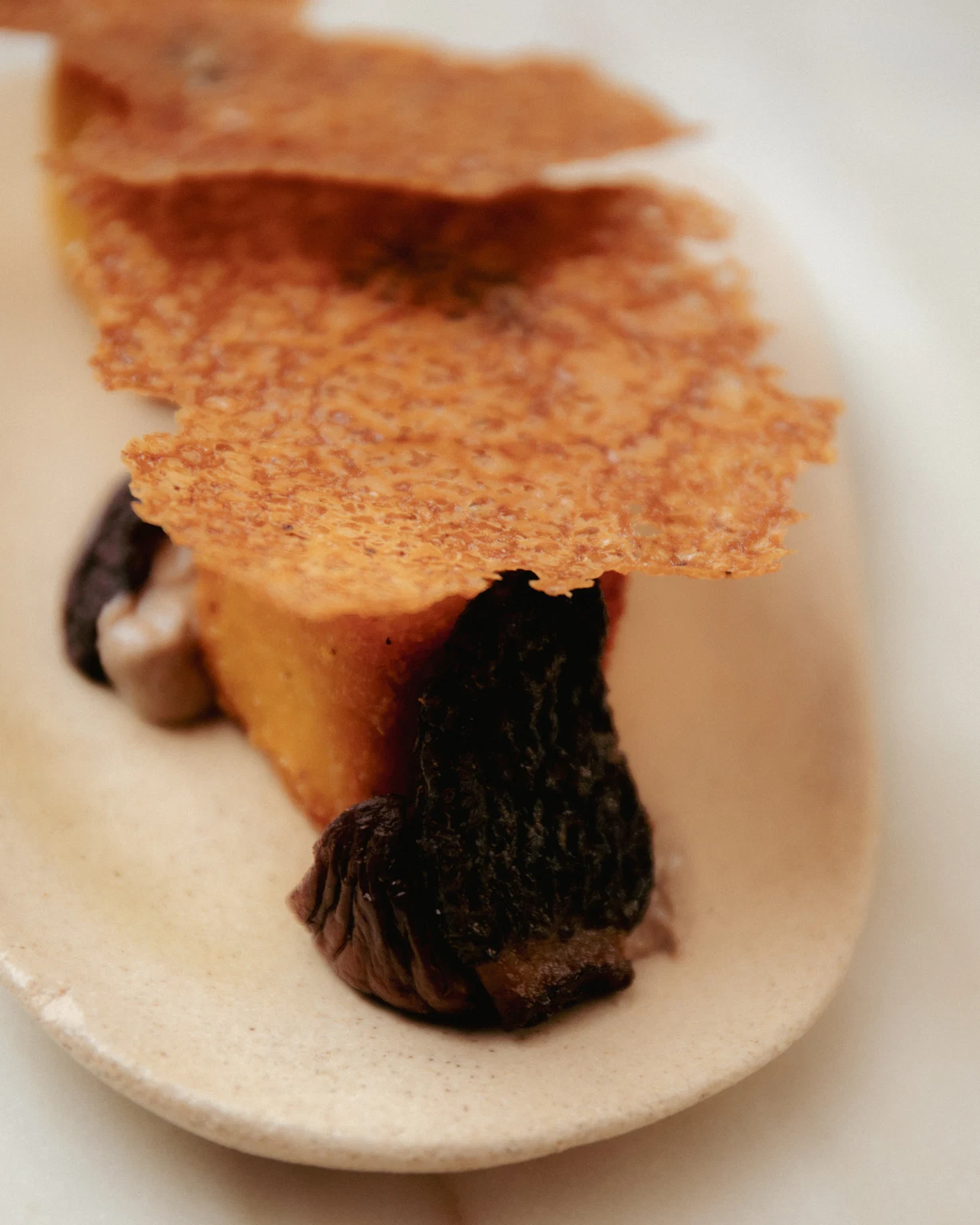
 trimmings
 boiled
the bucket, into a marmite
Everything the board leaves boils into stock. Then the stock keeps boiling: about ten litres come down to a hundred millilitres of house marmite, dark and salty, and it tastes a little different every batch.
deep-fried polenta · house marmite · house treacle
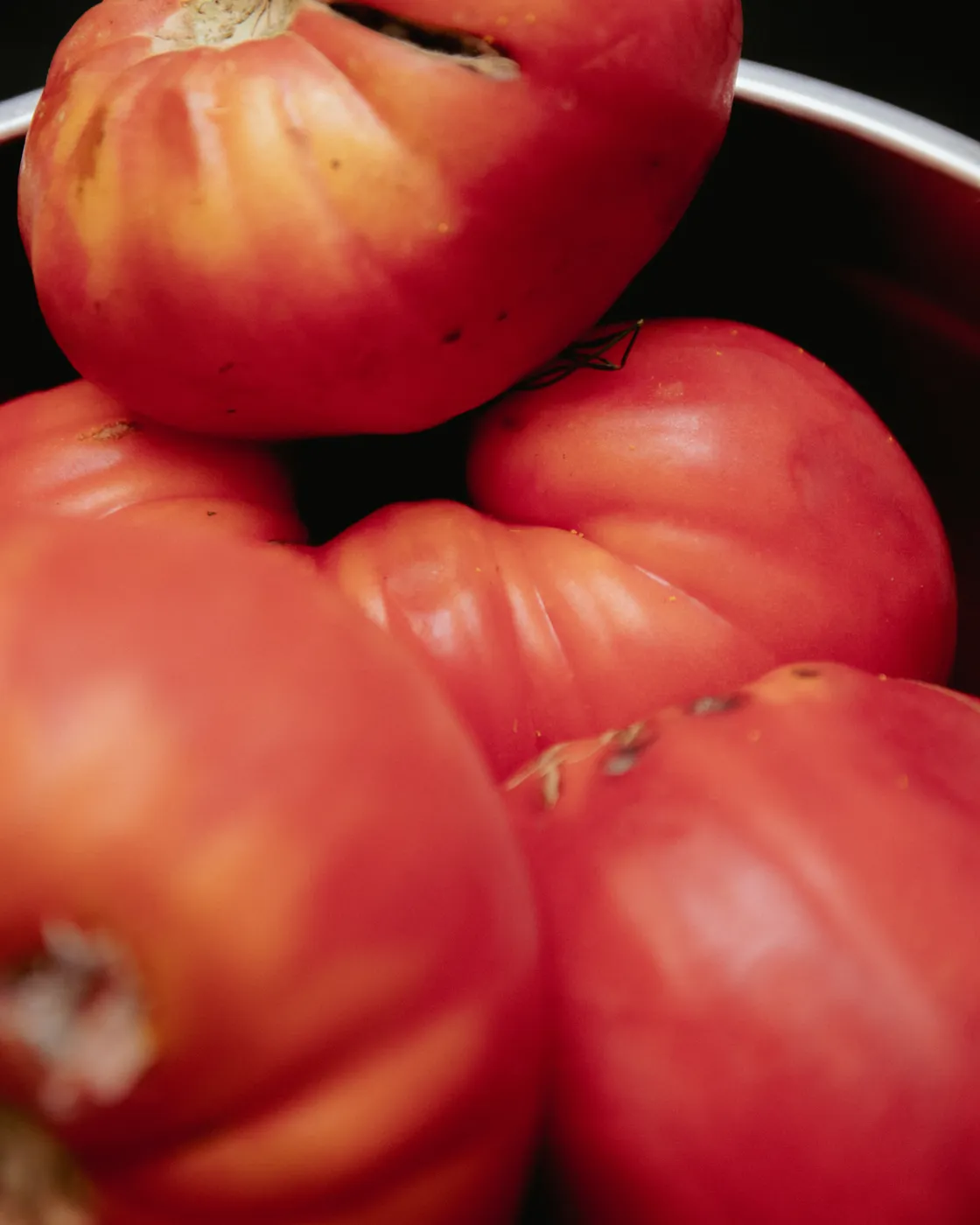 tomatoes
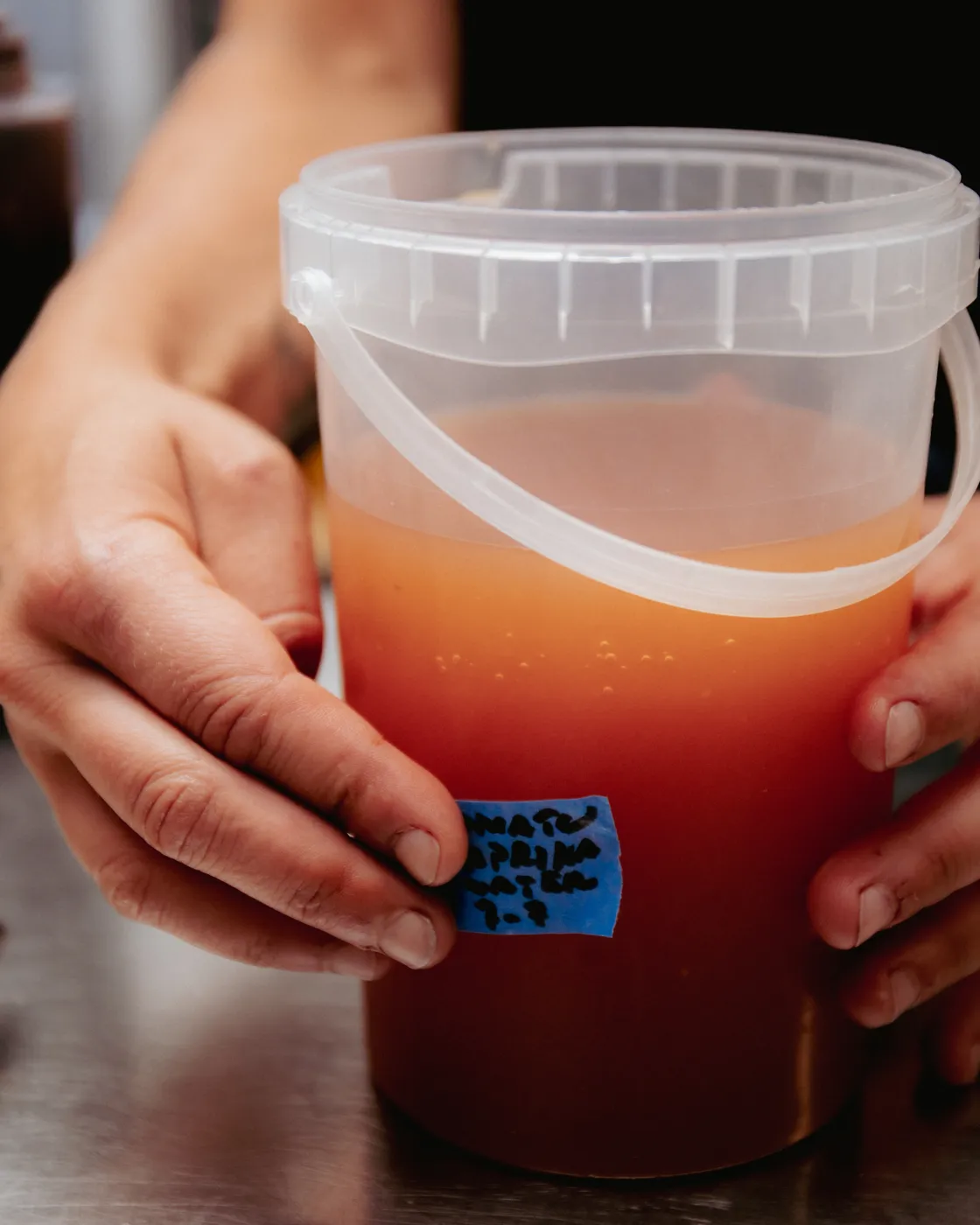 the water
tomatoes, water and pulp
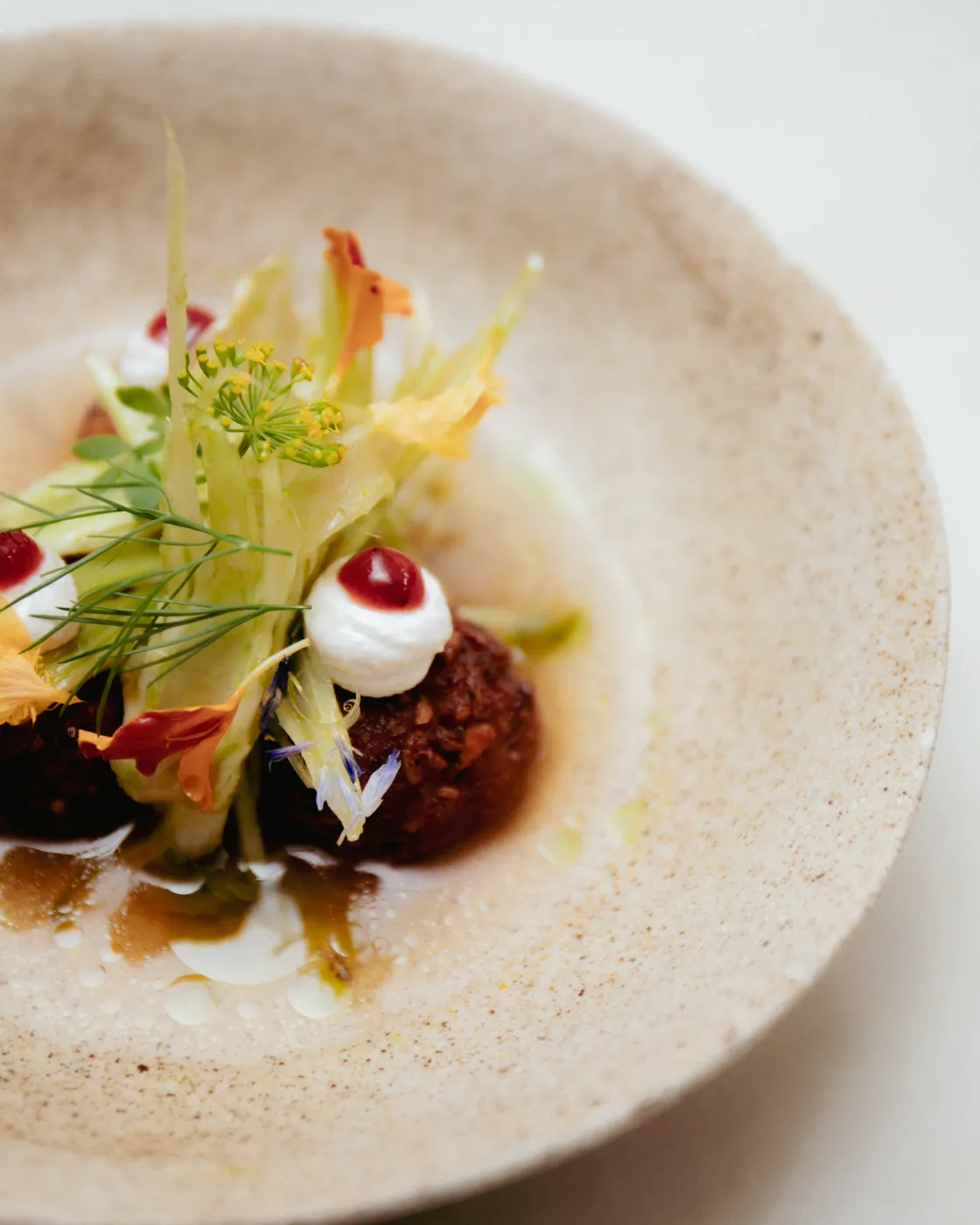
Coração de boi tomatoes are blended whole and hung in cloth. The clear water is the base of the plate; the pulp left behind is cooked into the red currant and tomato chutney on the same plate. Two summers ago the skins were dried into a tomato salt.
grass pea falafel · tomato water · black sesame
 the pot
 whipped
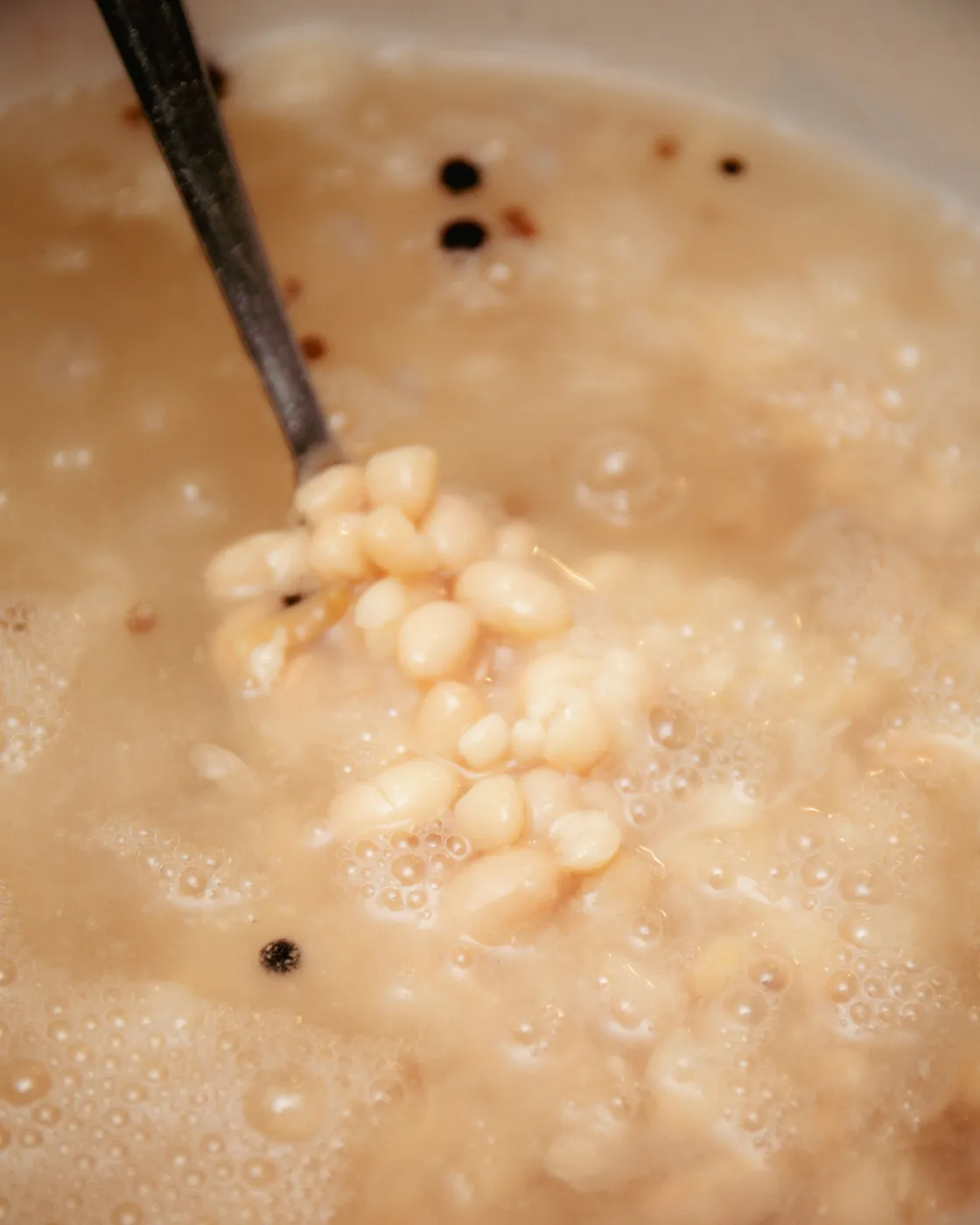
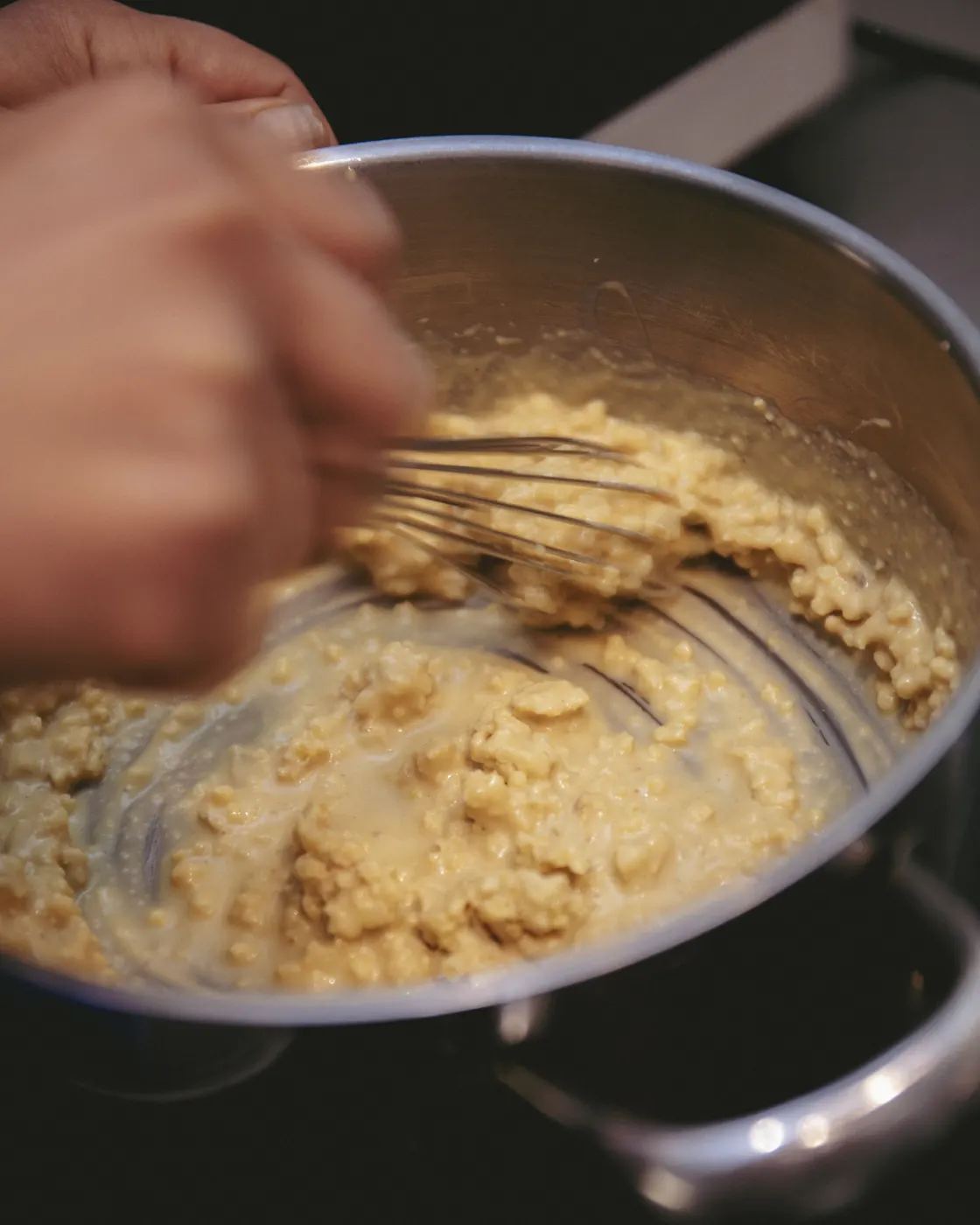
cooking water, into a meringue
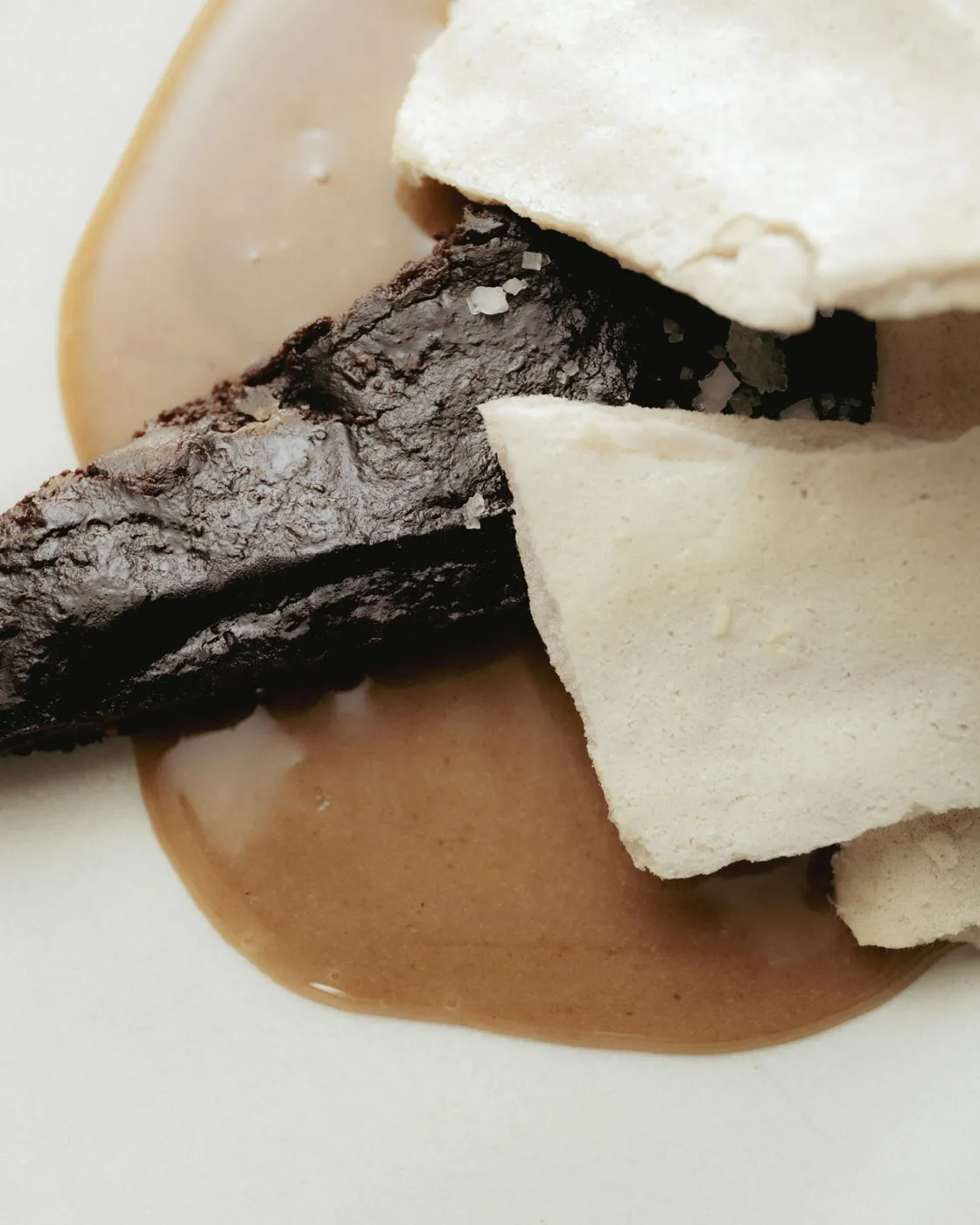
The water the chickpeas cooked in is kept. Whipped with sugar and cream of tartar and baked low, it was the meringue on the 'alt-choc' cake. In autumn 2024 the same water was a foam on the mushroom dish. The chícharo for the falafel cooks the same way.
caramel meringue, 'alt-choc' cake
 marinade
 reduced
a marinade, into a sauce
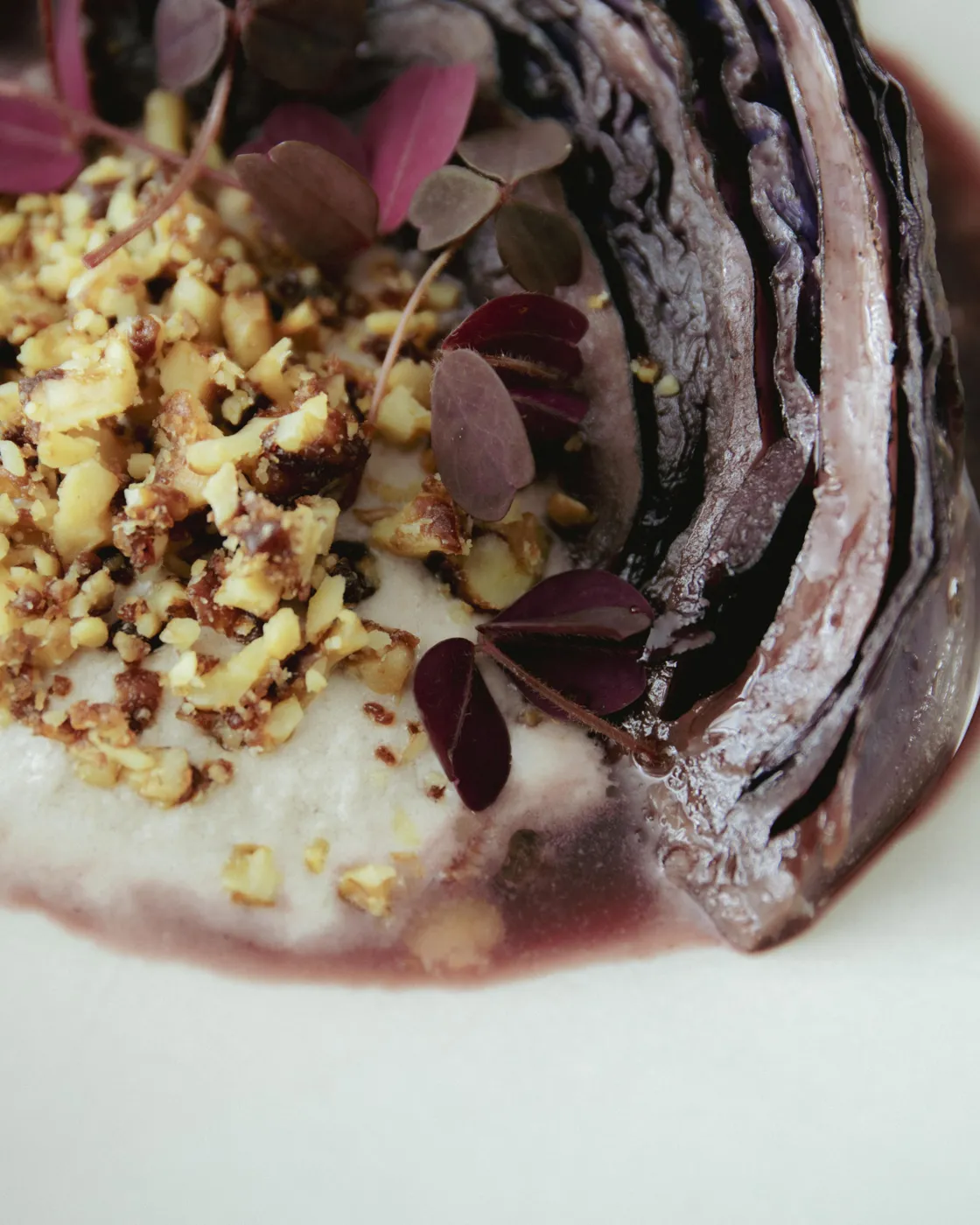
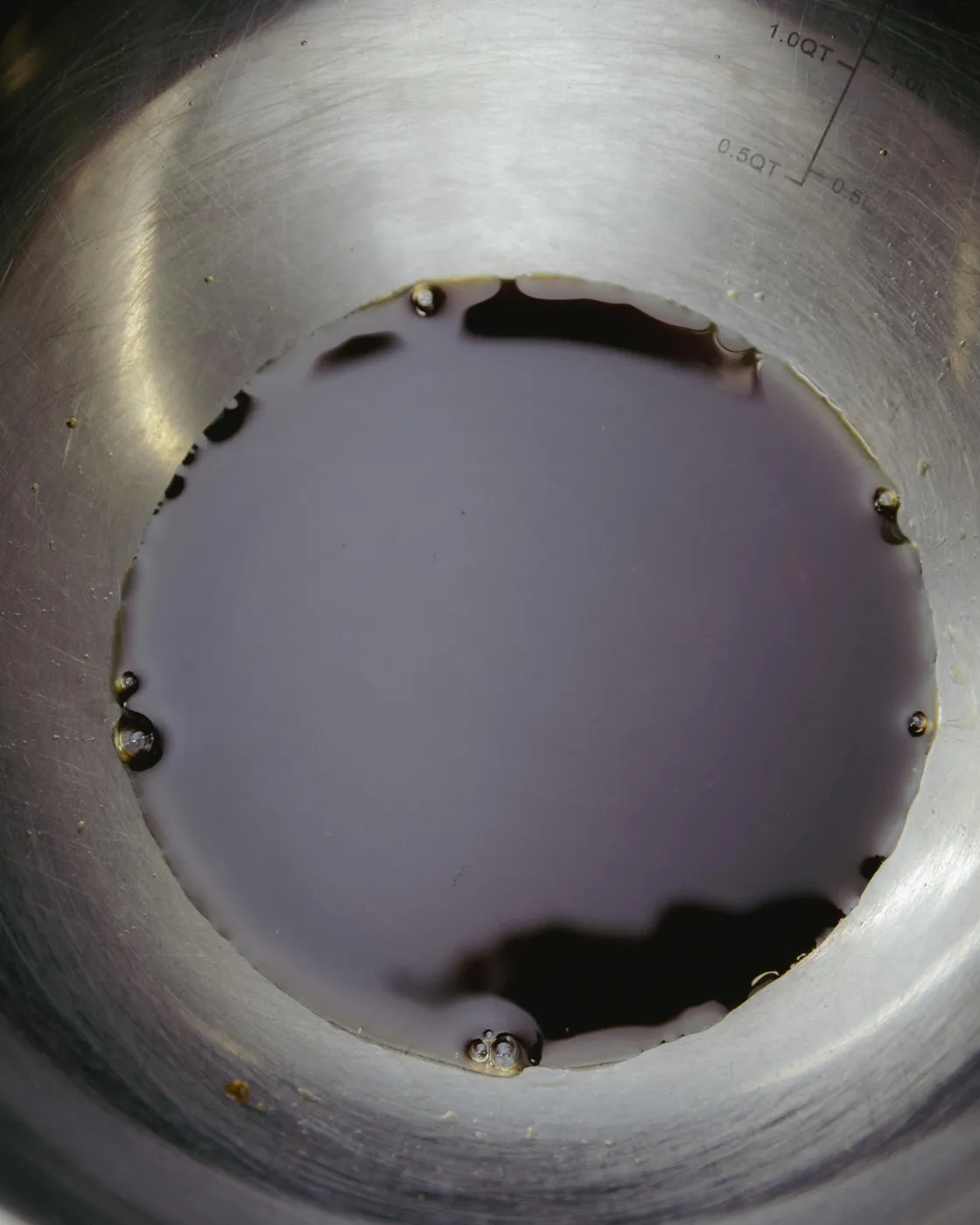
Red wine, hibiscus, juniper, garlic and sugar cook the cabbage. After that the marinade is not thrown out; it is cooked down into the sauce under the same cabbage.
walnut yogurt dish
 the seeds
 baked
bakedsunflower pulp, into a cracker
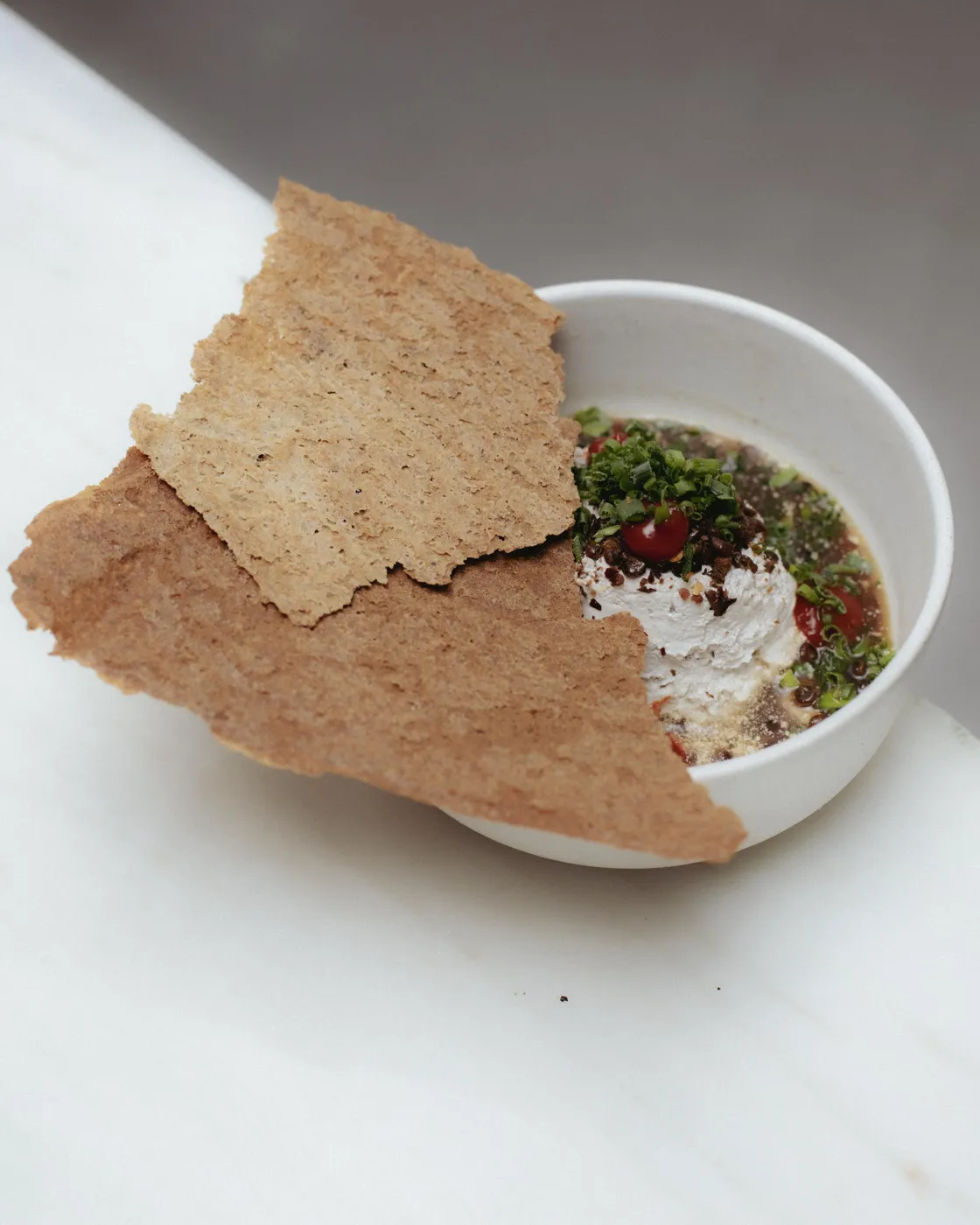
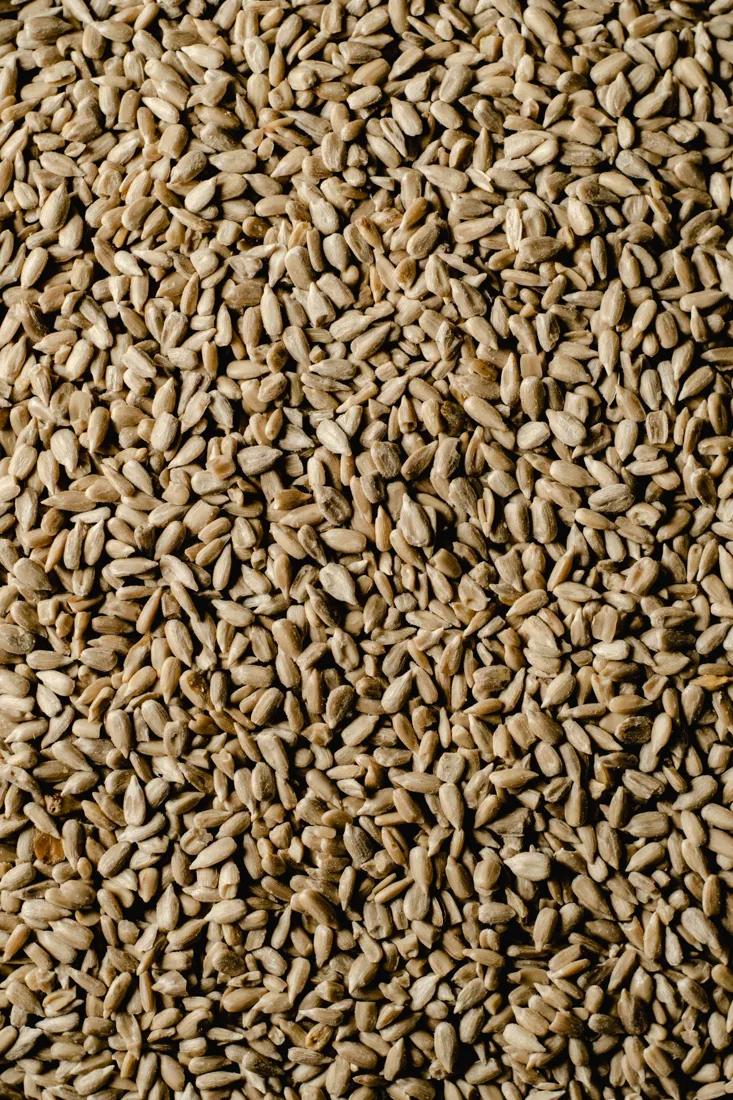
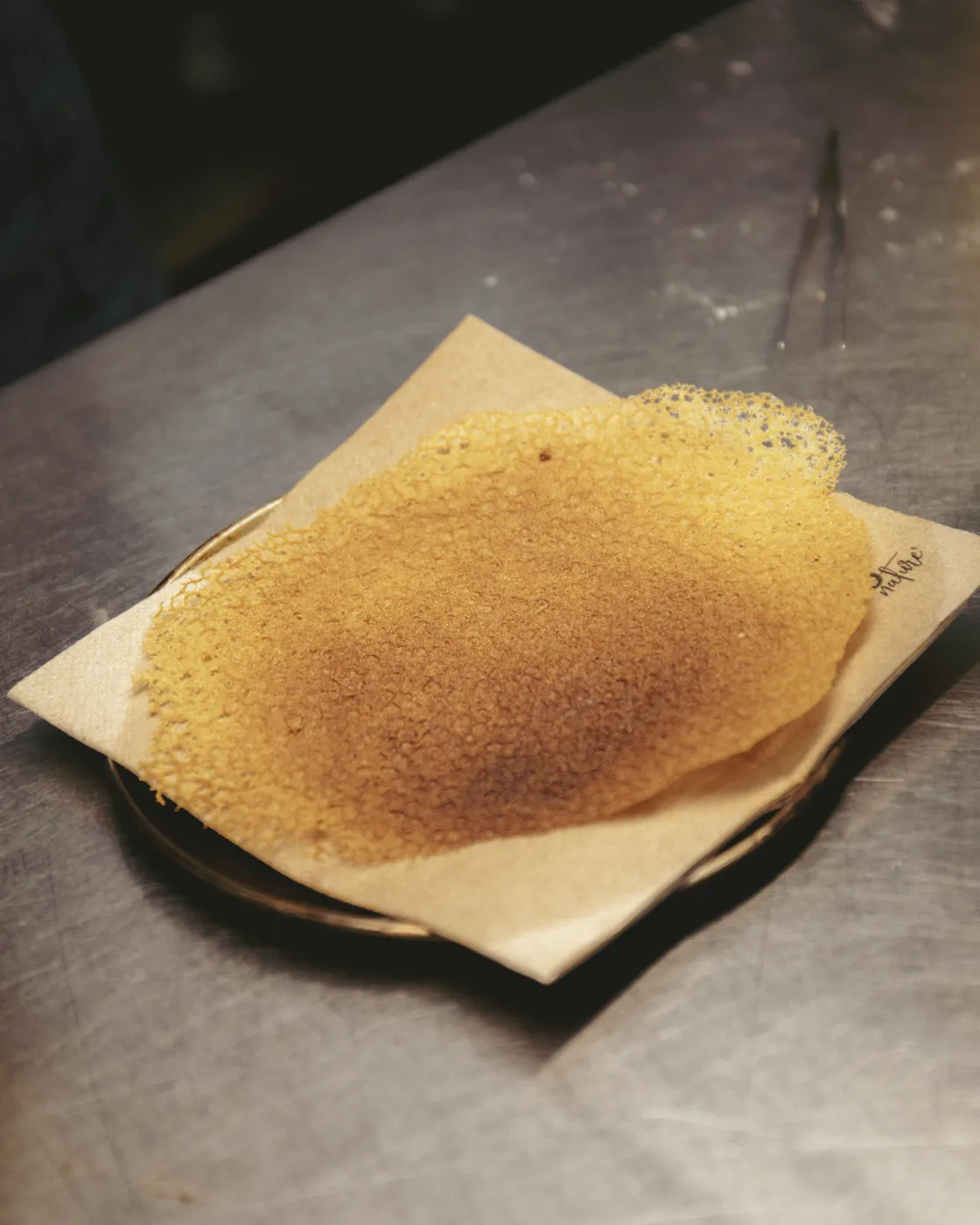
Sunflower seeds are blended for the silken tofu. The pulp left in the cloth is bound with a gel boiled from more seeds, spread thin, baked, and served on the tofu it came from.
silken tofu · sriracha · crisped lentils · sunflower seed crackers
 fermenting
 the custard
oranges, syrup and then jelly
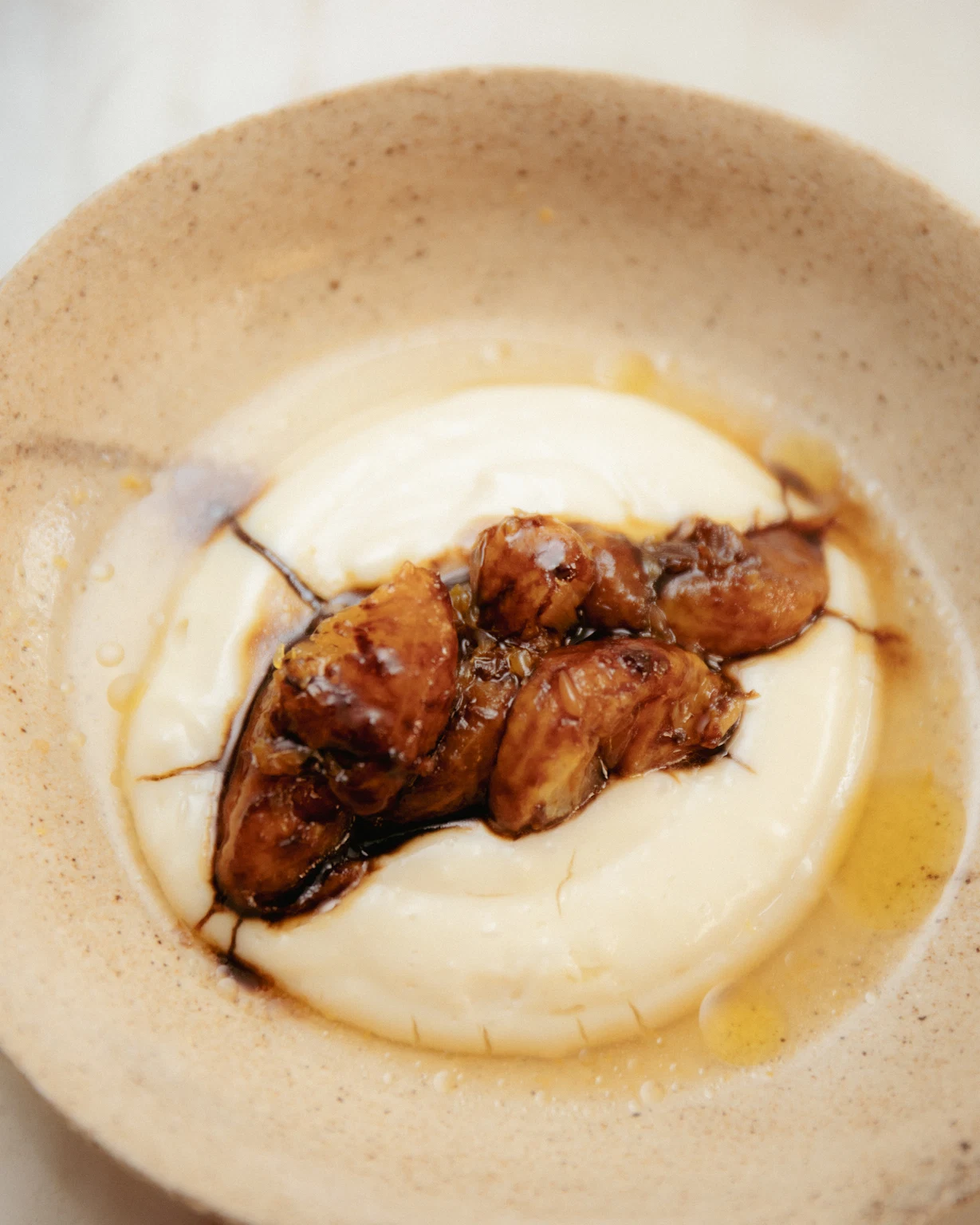
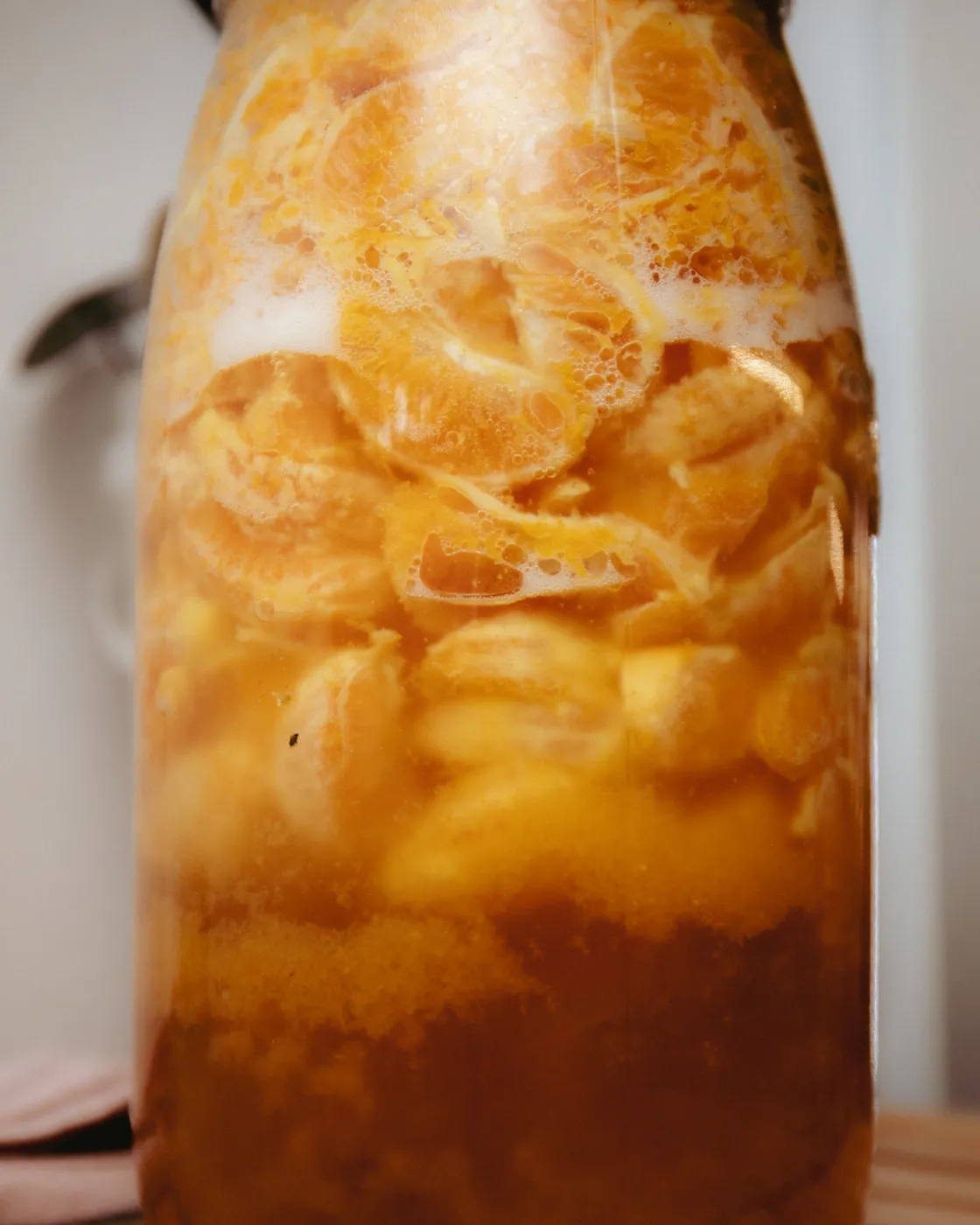
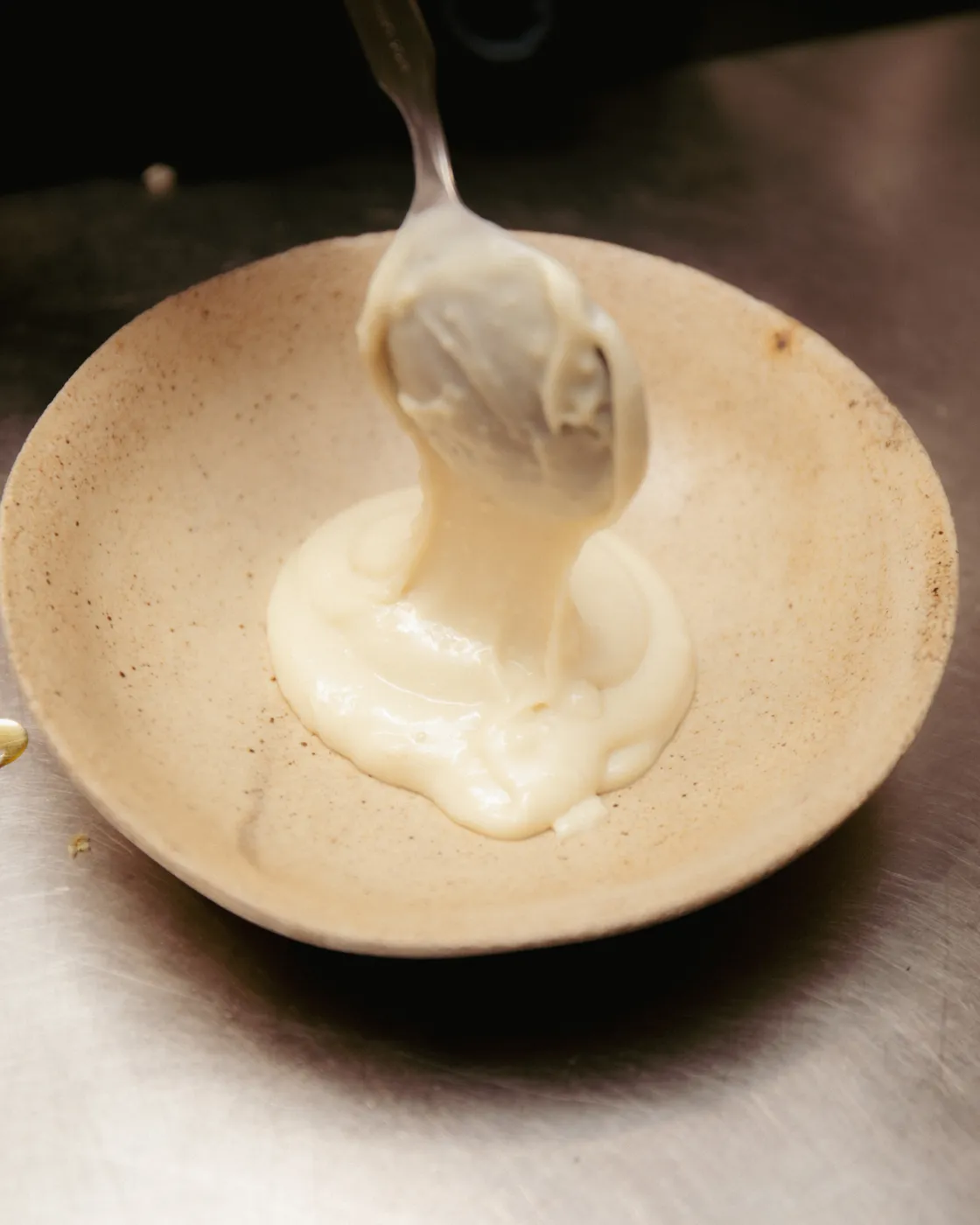
Portuguese oranges and sugar, left to ferment into a fizzy kōso syrup for the lavender custard. The fruit that comes out of the jar afterwards is set into the jelly on the same plate.
lavender custard · orange · white corn
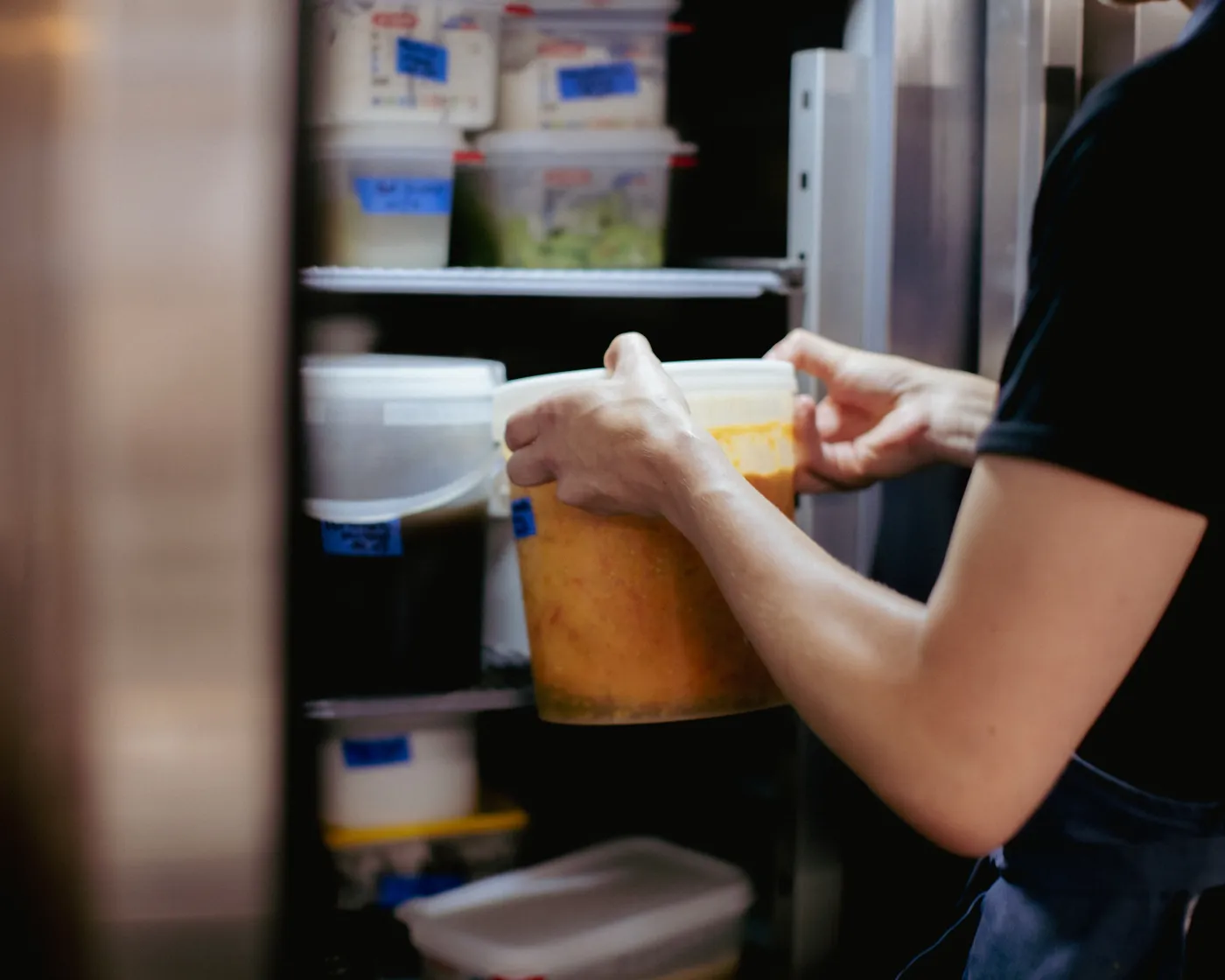 the ferment fridge
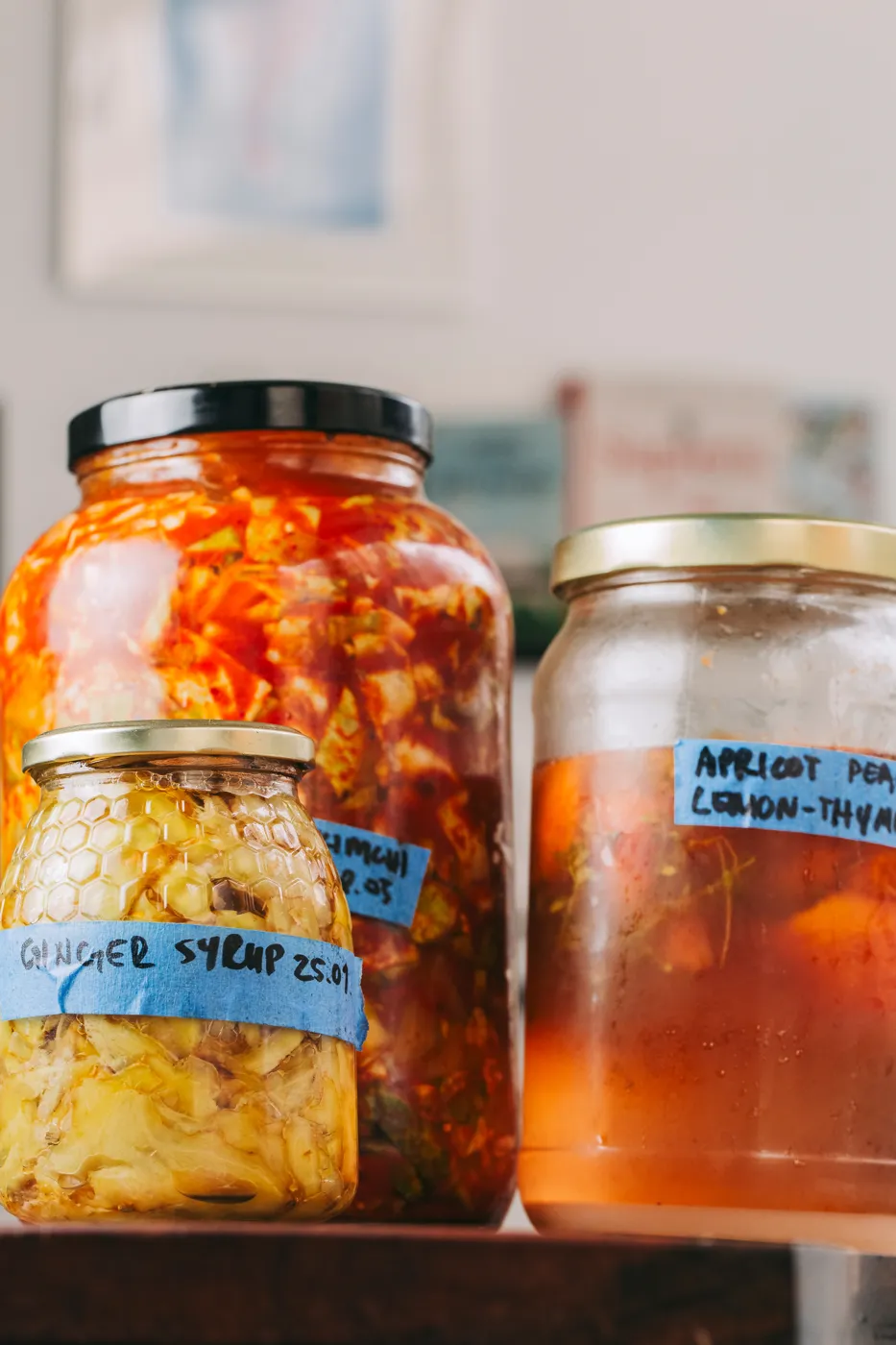 kimchi
stems and tops, into kimchi, into ice cream
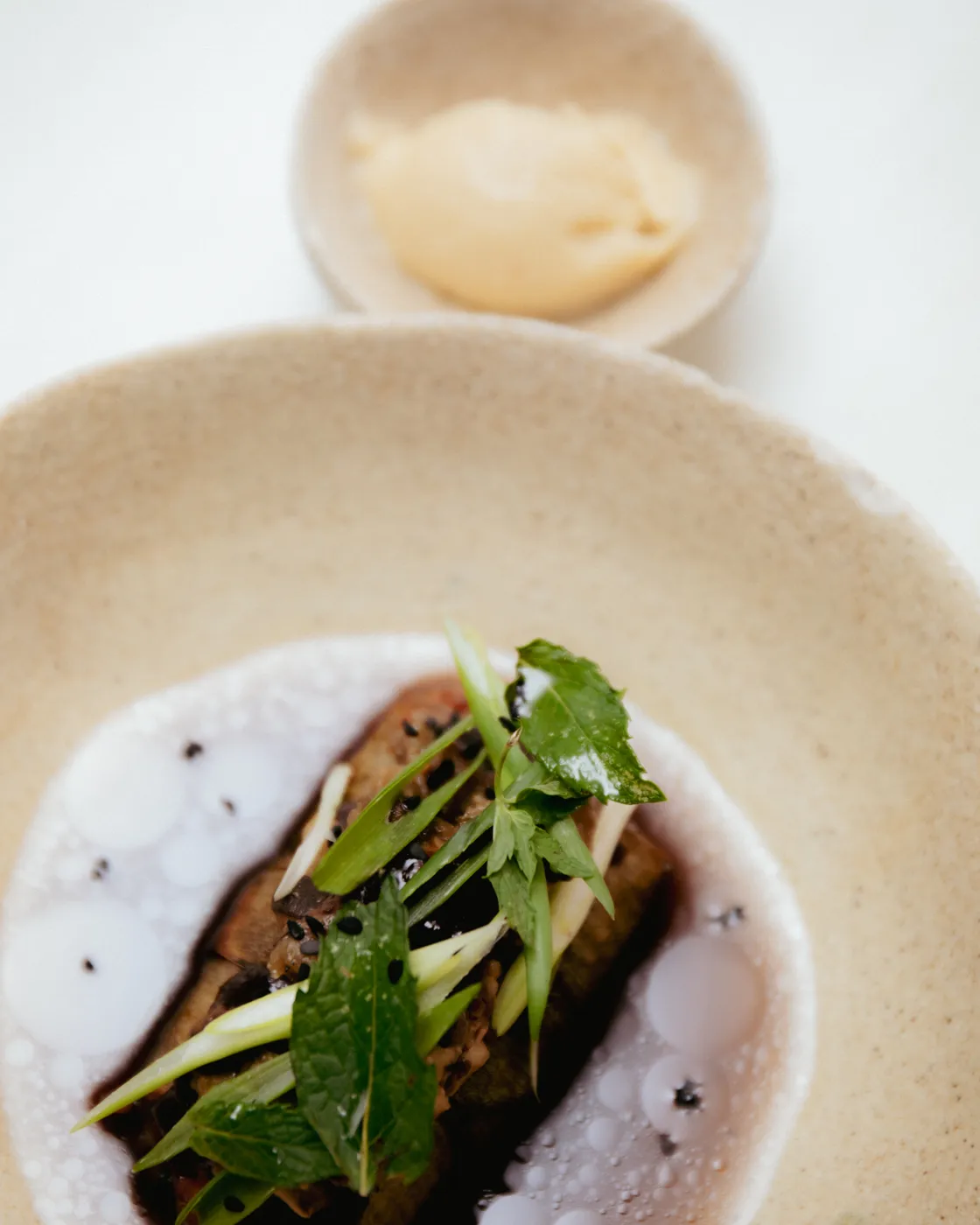
The stems and tops that never made the menu are salted and fermented. This summer the kimchi is churned into an ice cream, cold and sharply acidic, over the fried rice.
fried rice · charred aubergine · kimchi ice cream
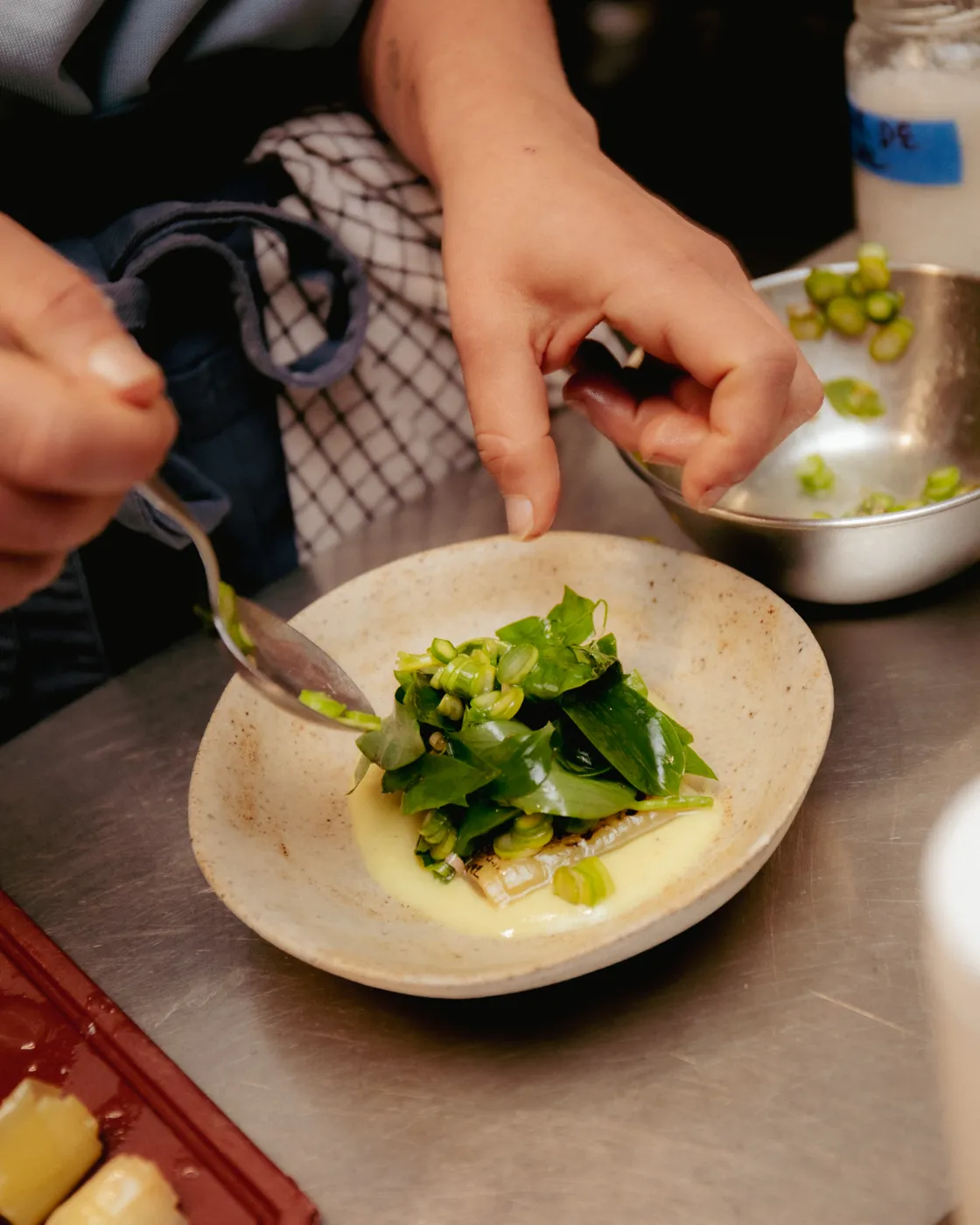
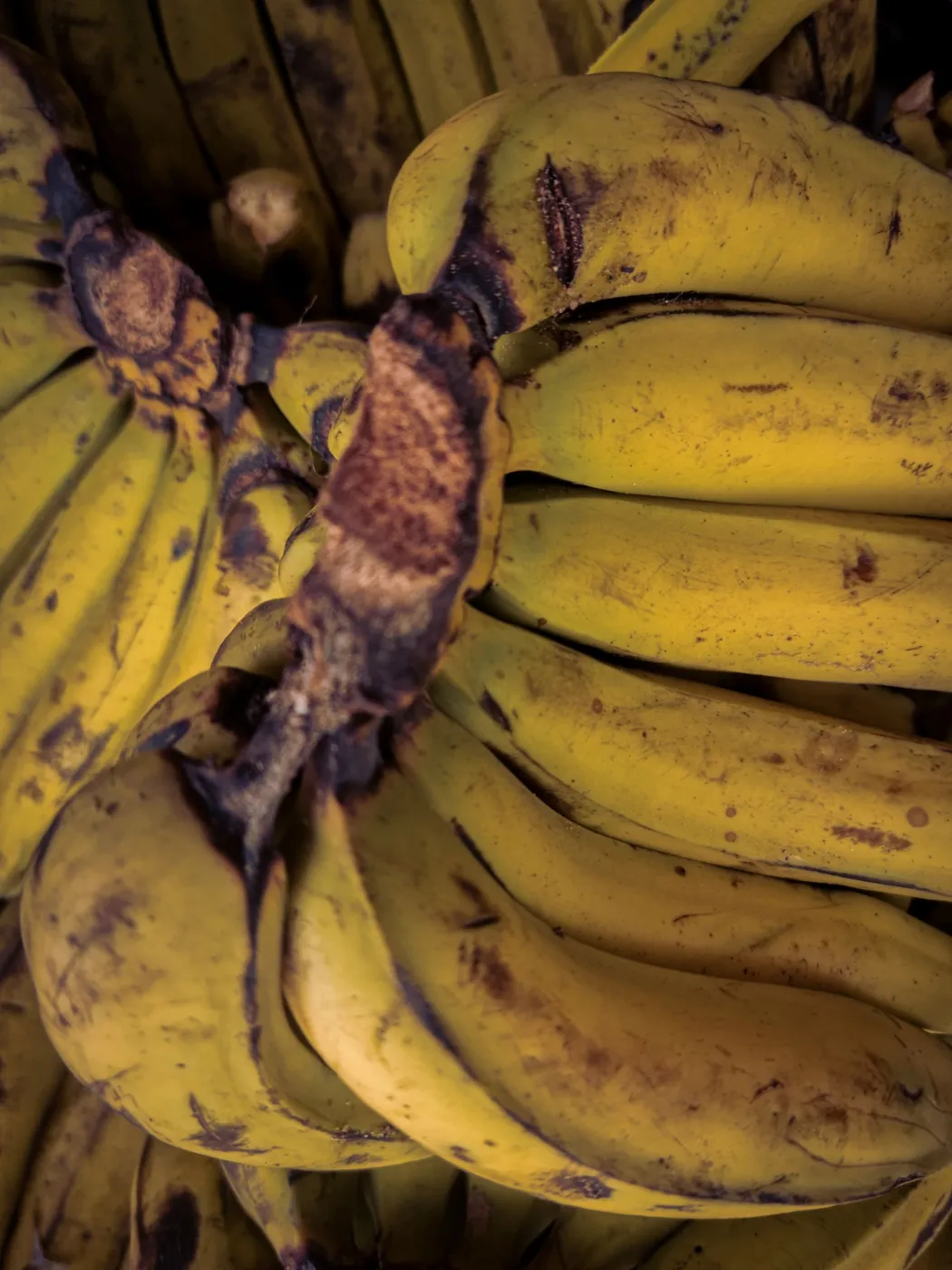 the bananas
 into vinegar
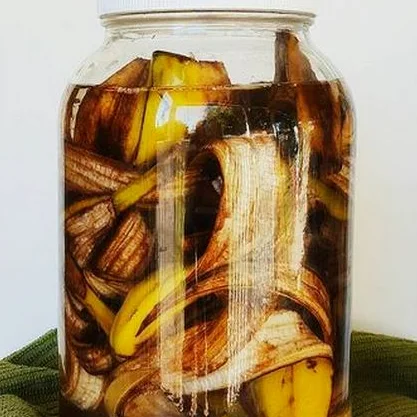
banana skins, into a vinegar
The skins are fermented into a vinegar, and the vinegar goes into the dressing on the chard and nasturtium of the leek dish, with olive oil.
leeks · asparagus · buckwheat
put by
kept at its best, so it does not go over.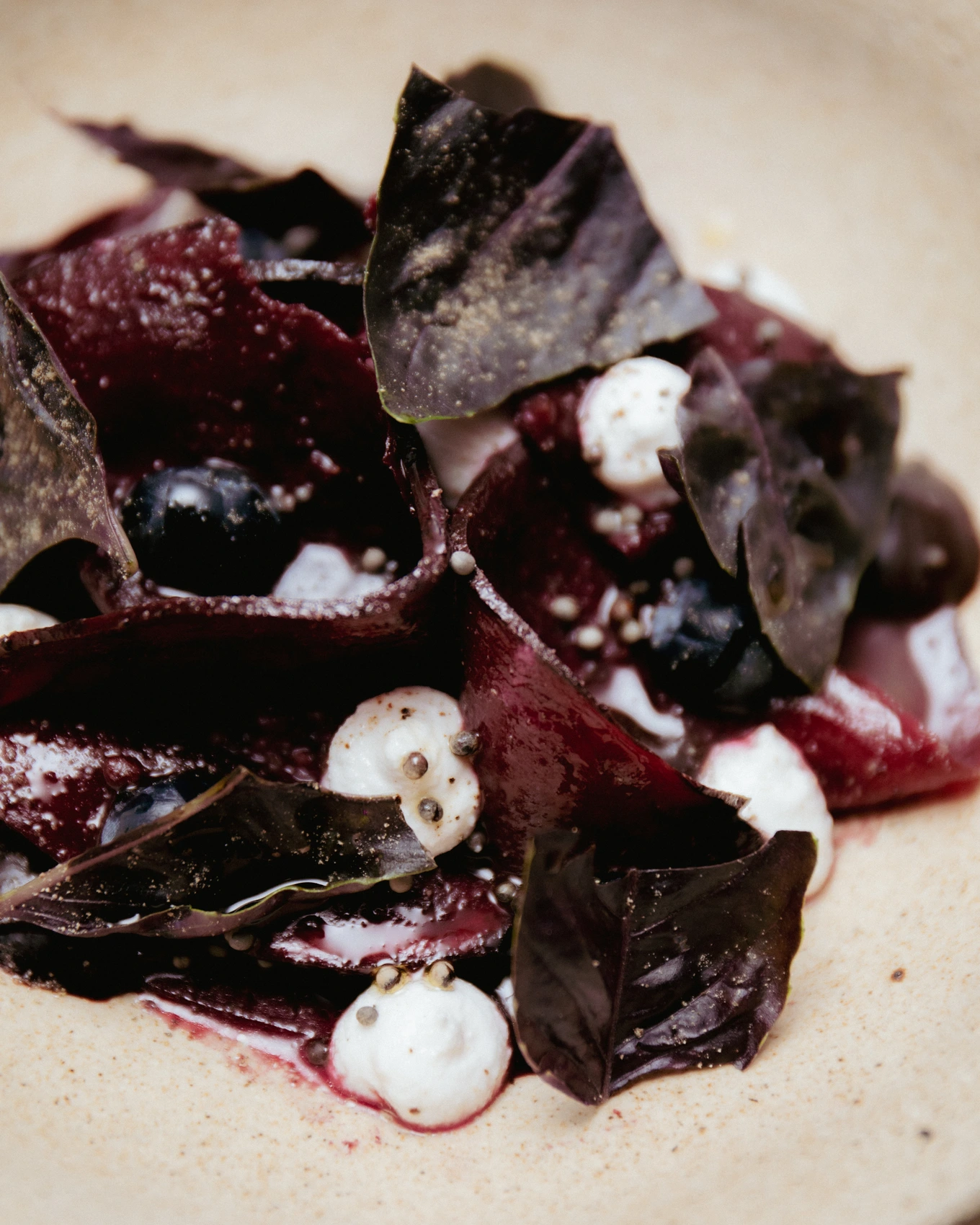
 in salt
 blackberries
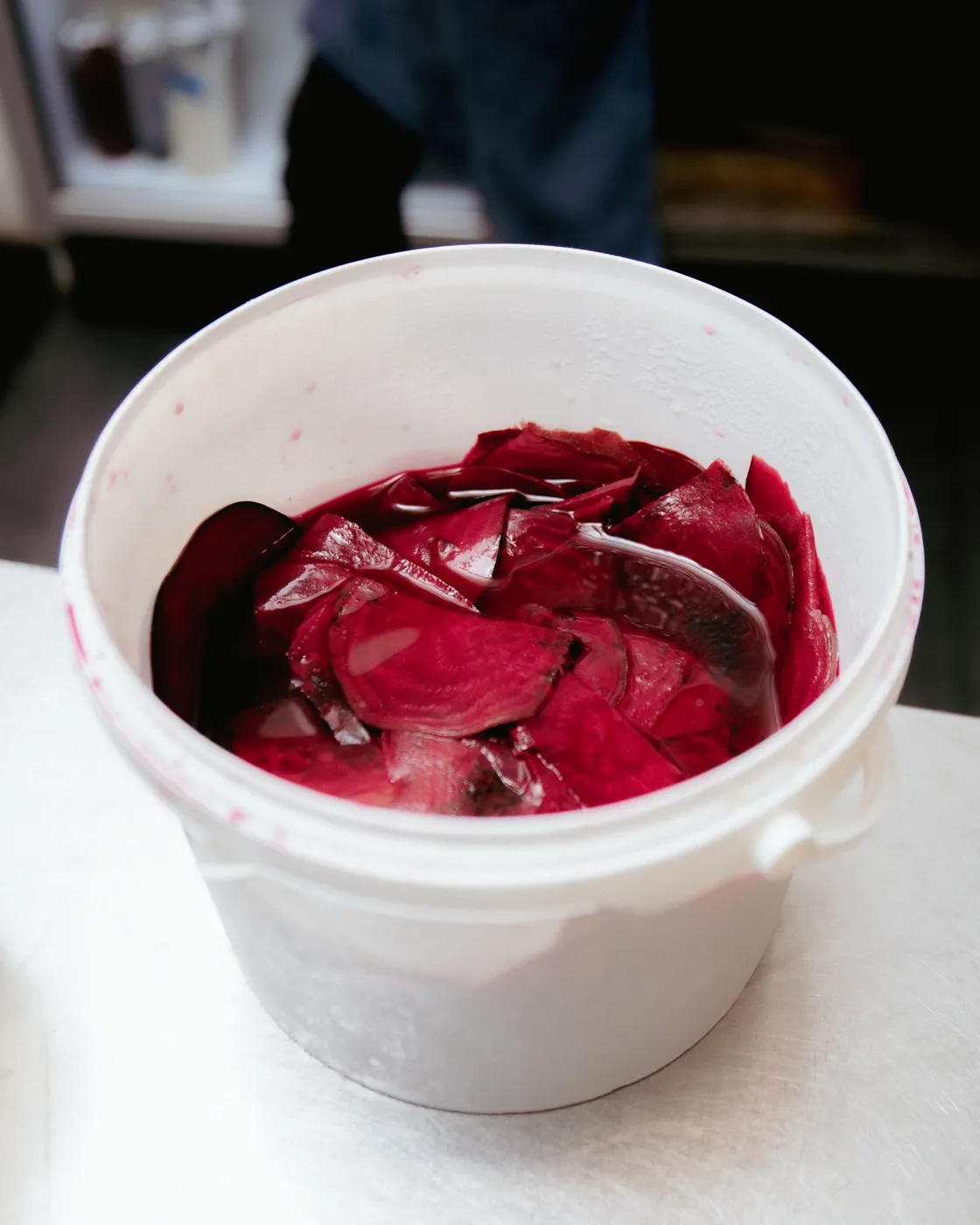
beetroot, salted for a week
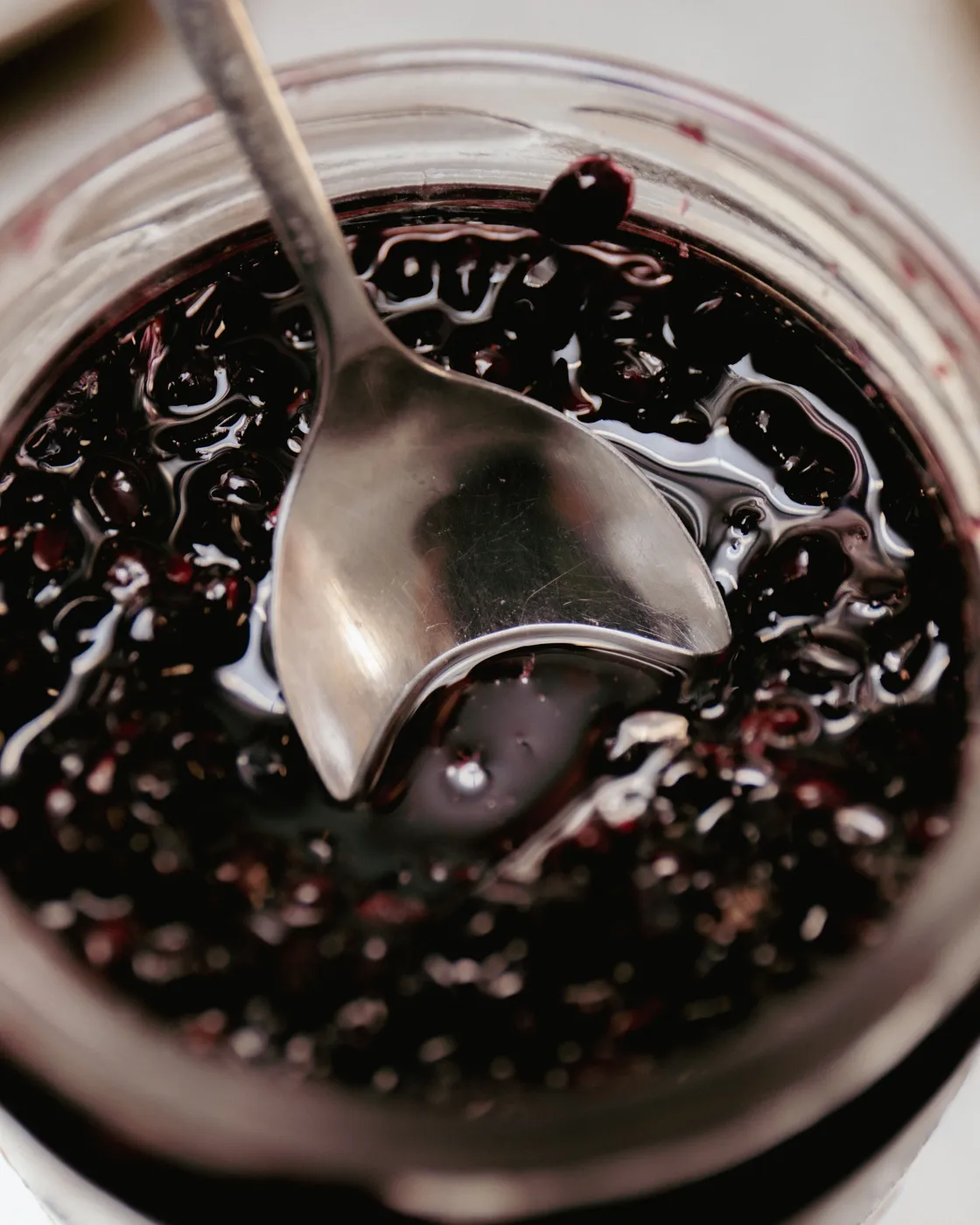
Beetroot at its sweetest, sliced and aged a week in sea salt, which draws the water out and leaves it chewy and mineral. Blackberries from H2Douro are cooked down into the sauce that pulls the salt back into fruit.
millet couscous · salt-aged beetroot · blackberry
 syrup
syrup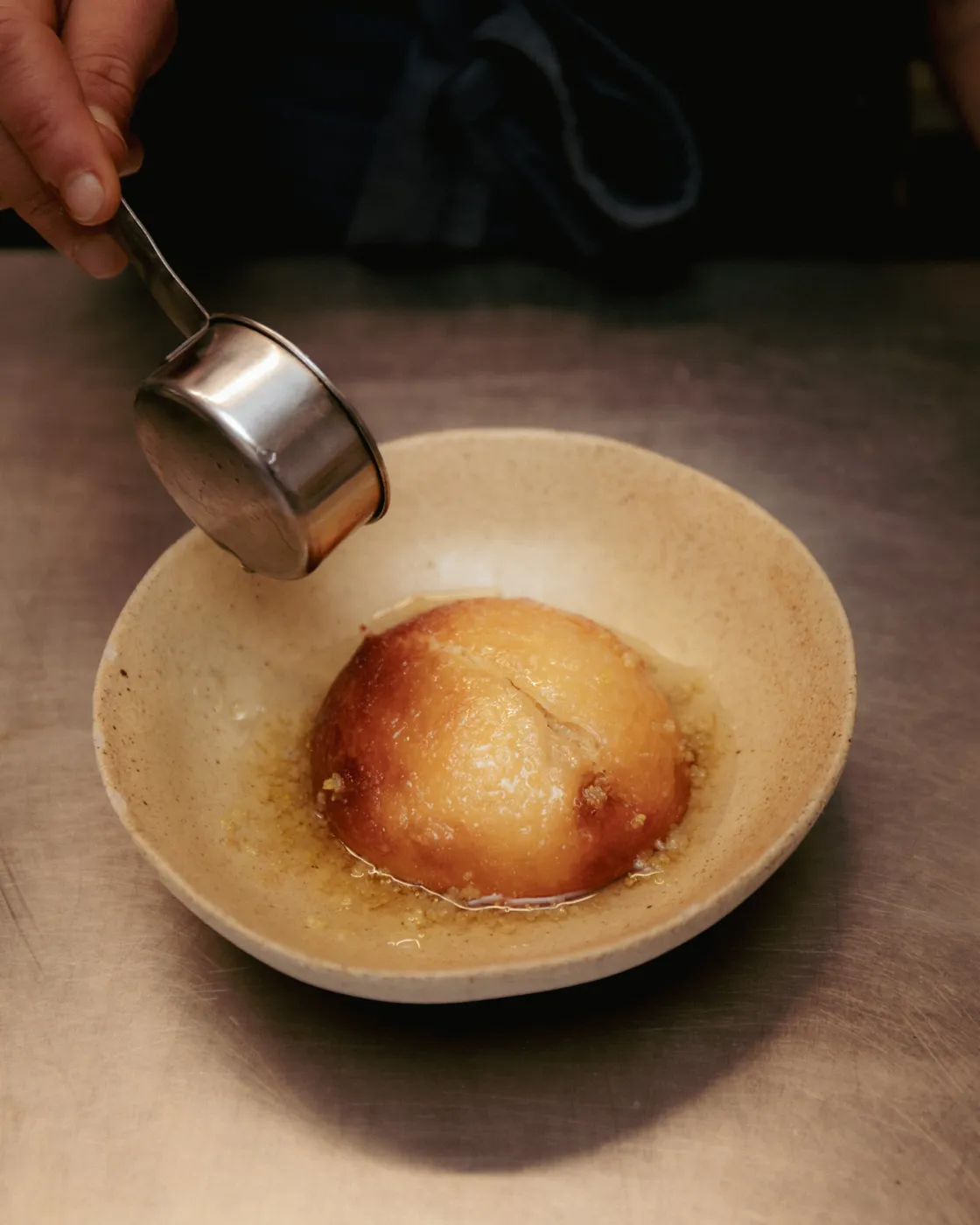 poured over
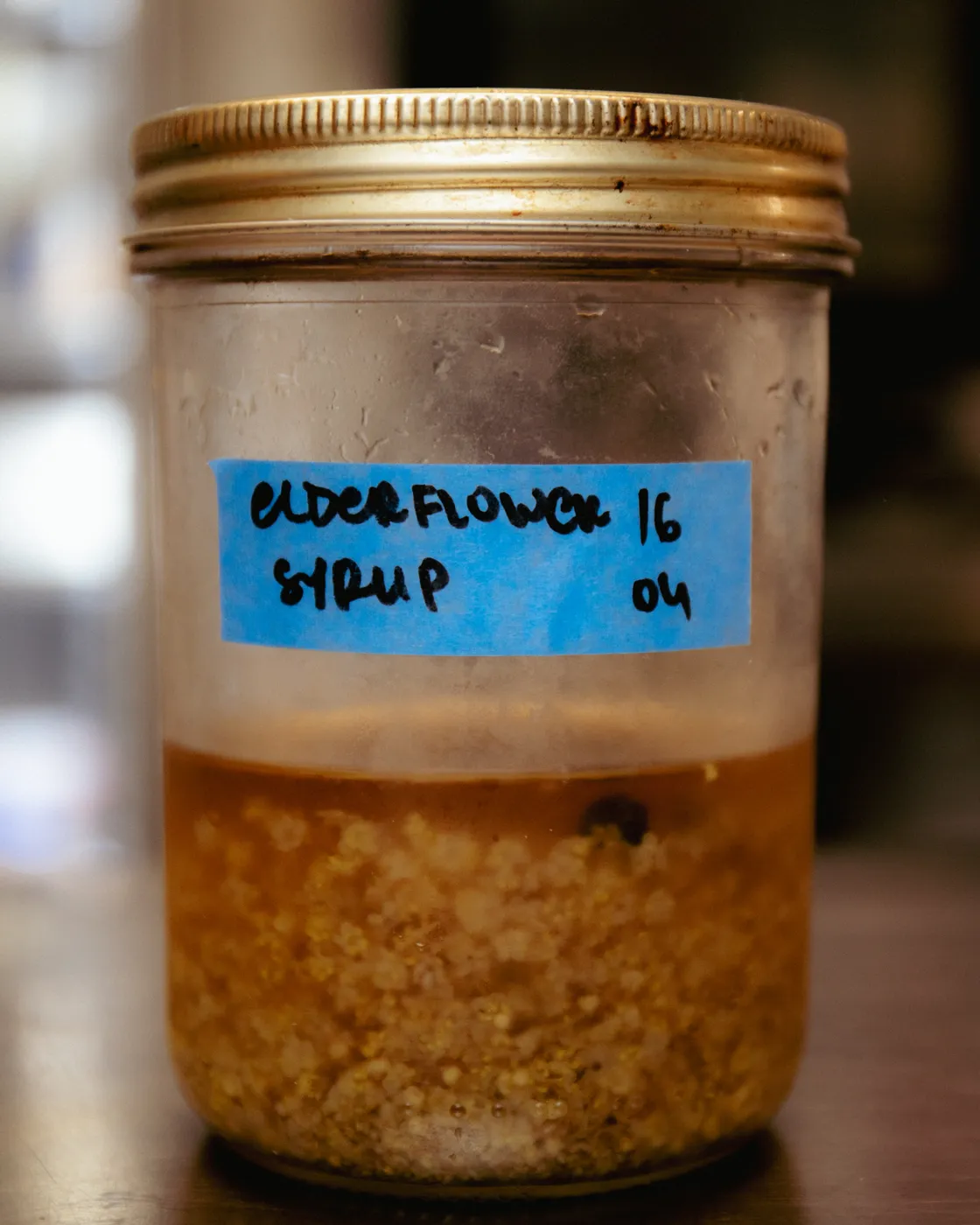
elderflower, two weeks a year
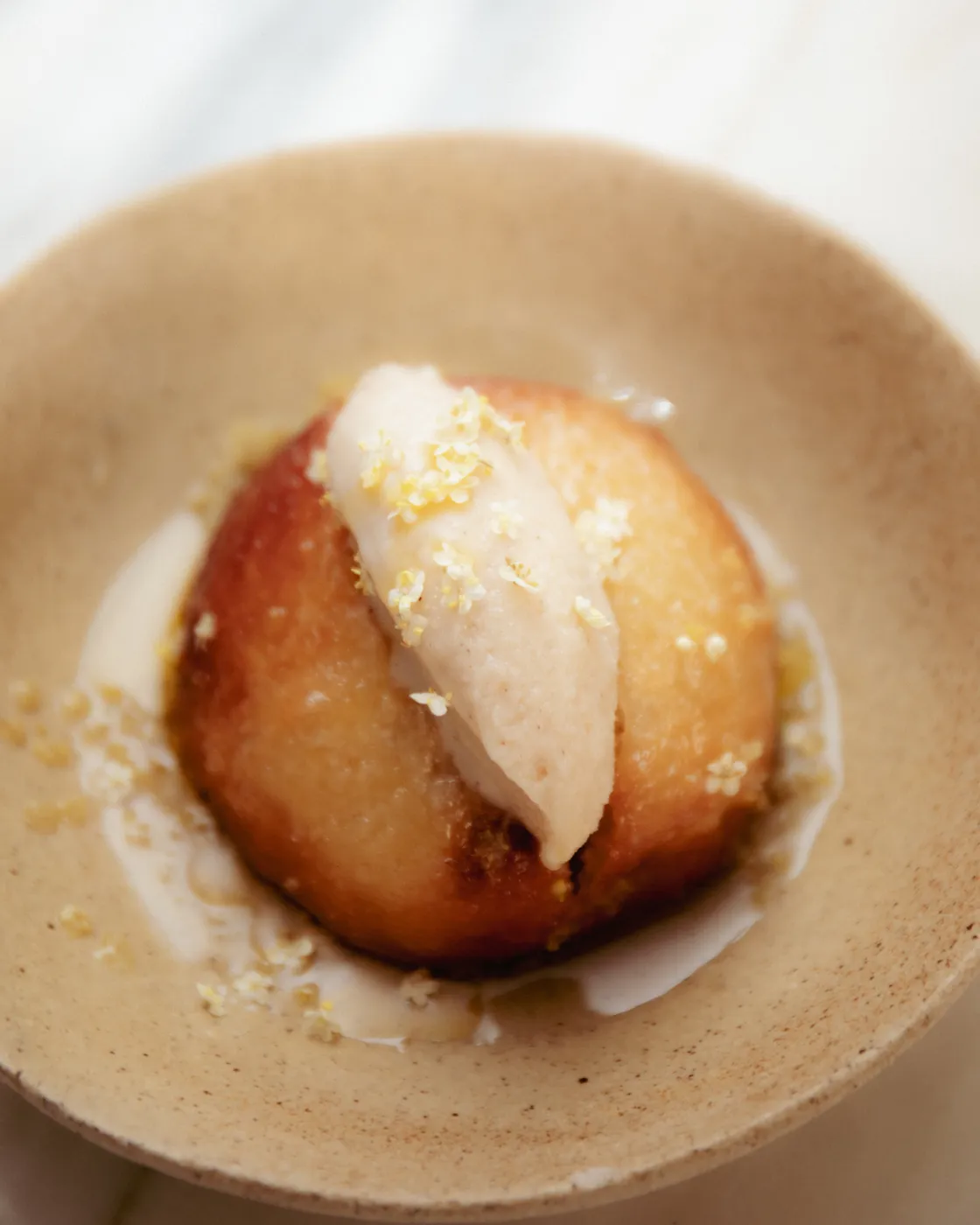
The flowers come from Corotos for two or three weeks in late spring and are steeped whole into a syrup. The baked donut is split open and bathed in it, and it lasts on the shelf long after the flowers have gone.
baked donut · elderflower · apple · chamomile ice cream
 peeled
 pine, orange peel
ginger, and the peel from the juicer
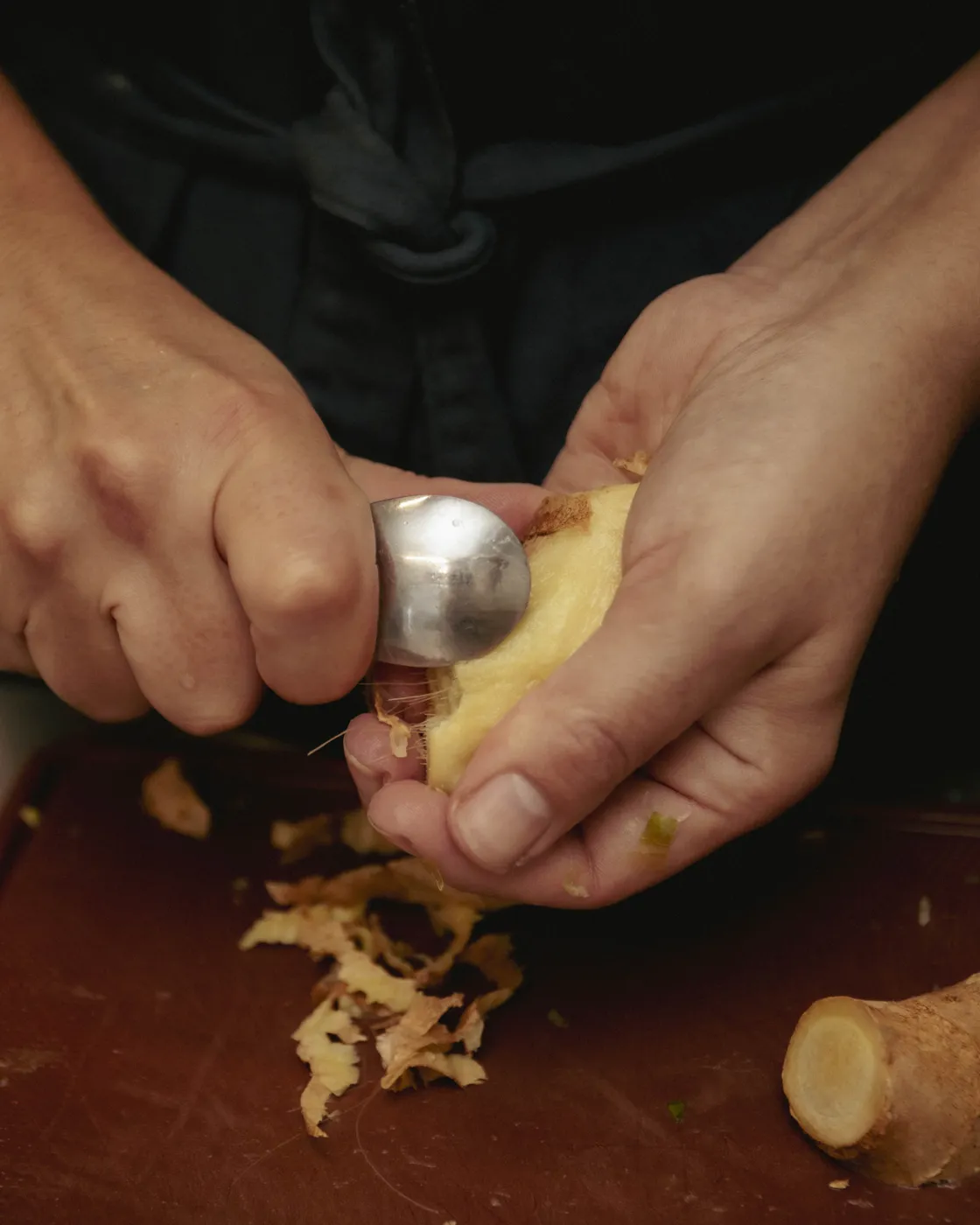
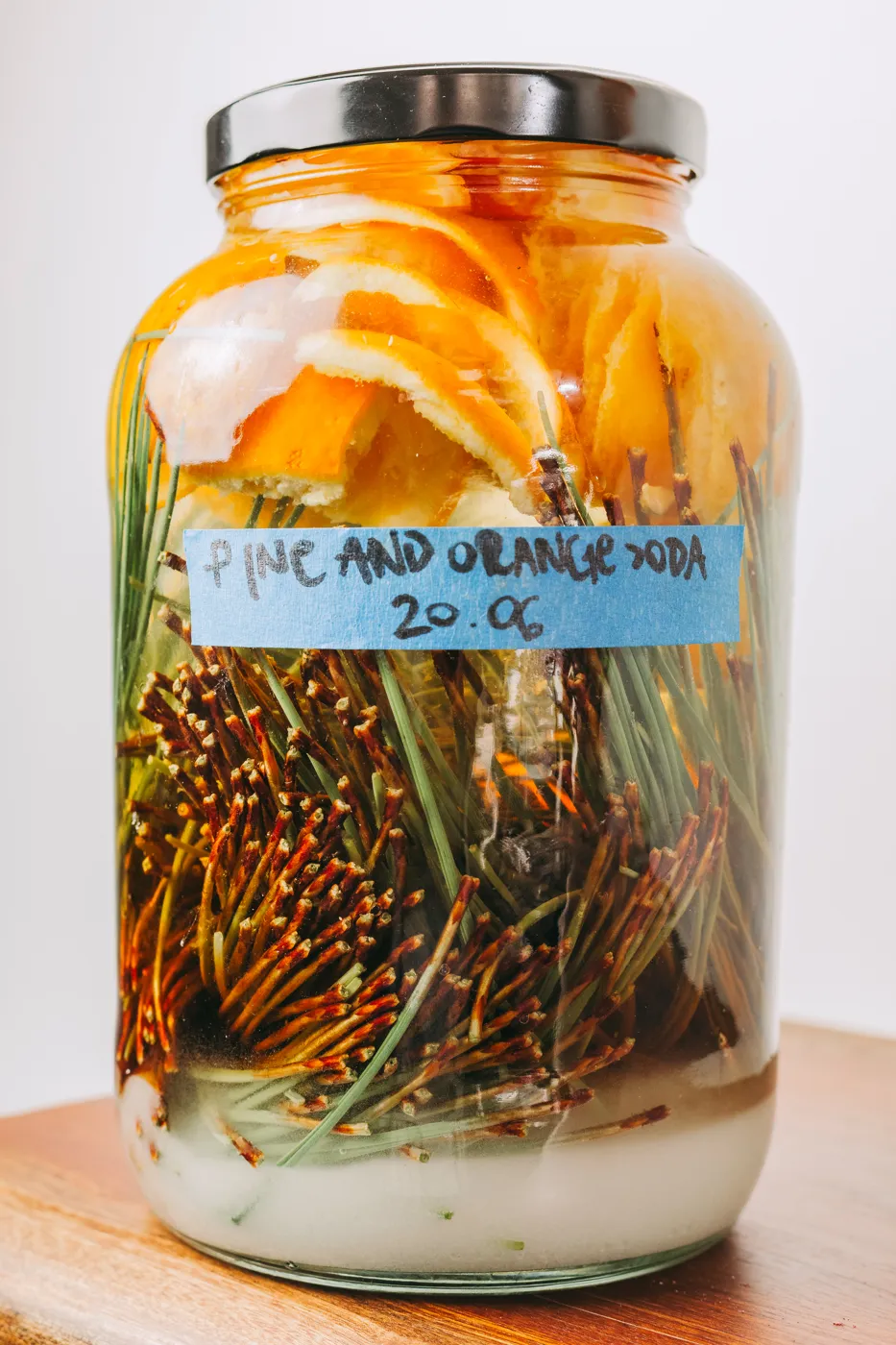
Ginger is peeled with a spoon, so the skin comes off and almost nothing else. A ginger bug fed with sugar starts the ginger drink on the card, and the fermented ginger syrup that cut through the onion dish in spring. Beside it, orange peel from the juicer ferments with pine needles into the seasonal soda.
ginger, with sparkling water · seasonal fruit soda · charred onion, alt-'choc', carob
from the bar
what is left after a drink is made.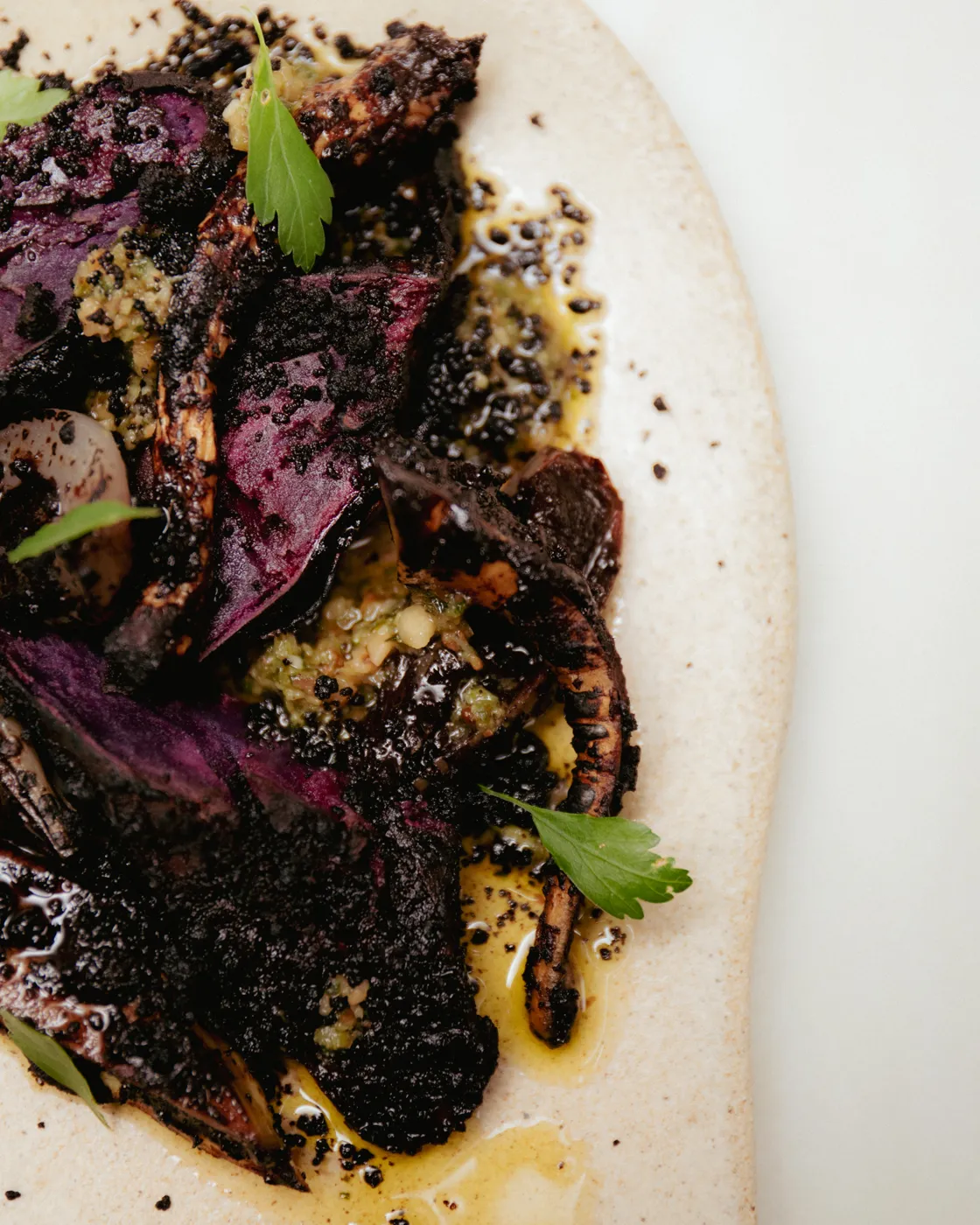
 grounds
 the clay
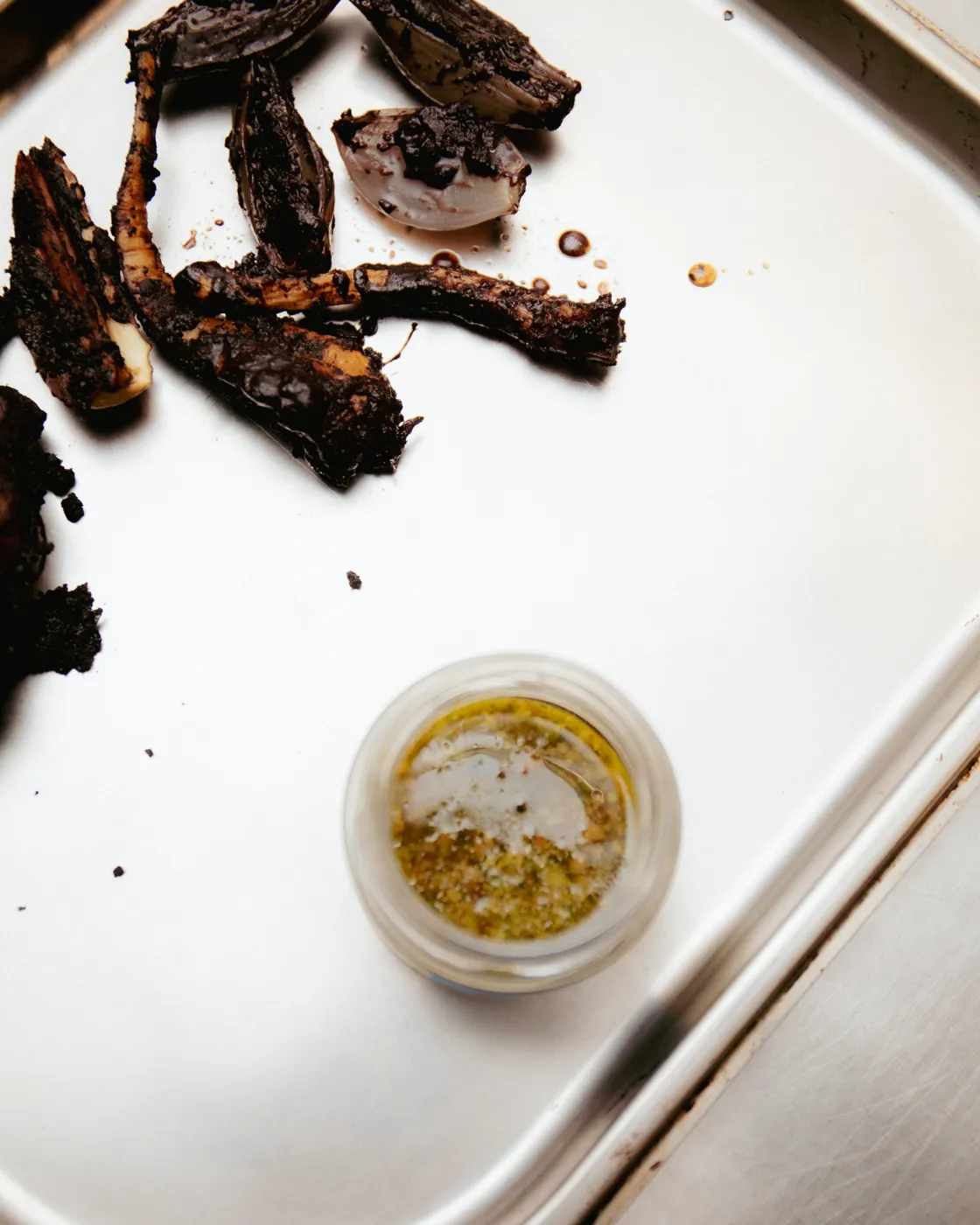
coffee grounds, into a clay
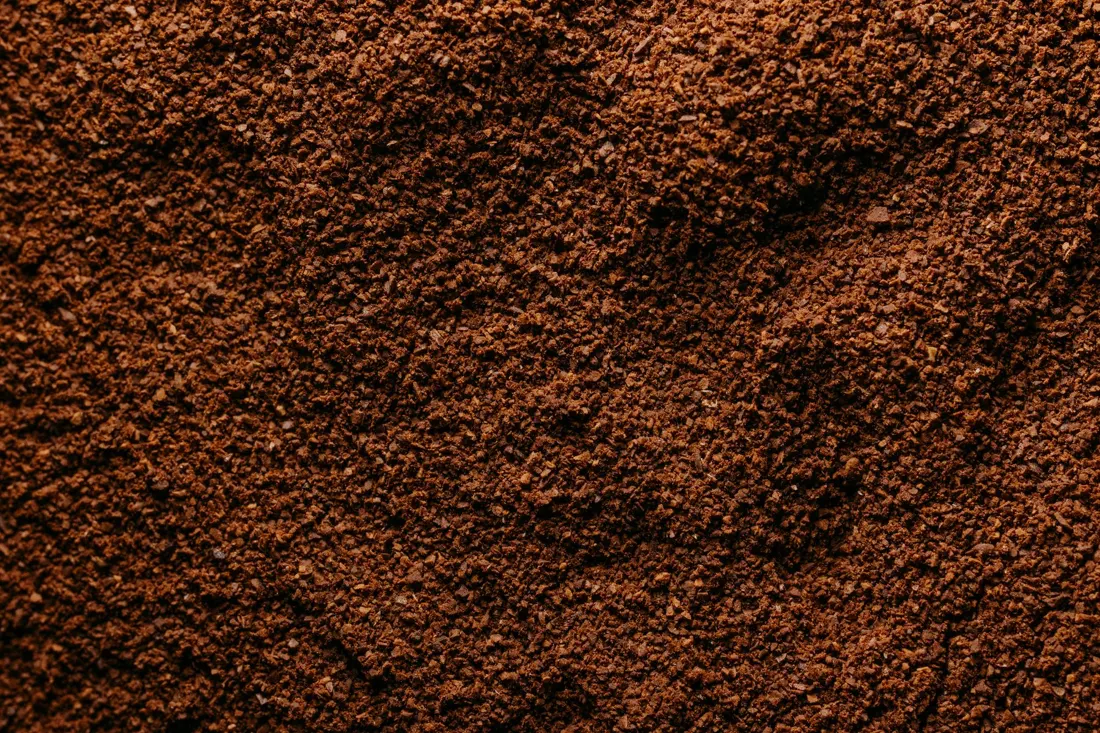
Spent grounds from the morning, mixed with carob, a little liquid and oil into a clay. Roots and onions slow-bake inside it. A notebook recipe bakes the same grounds with muscovado into a crust.
roots · onions · coffee
still open
what has no route yet.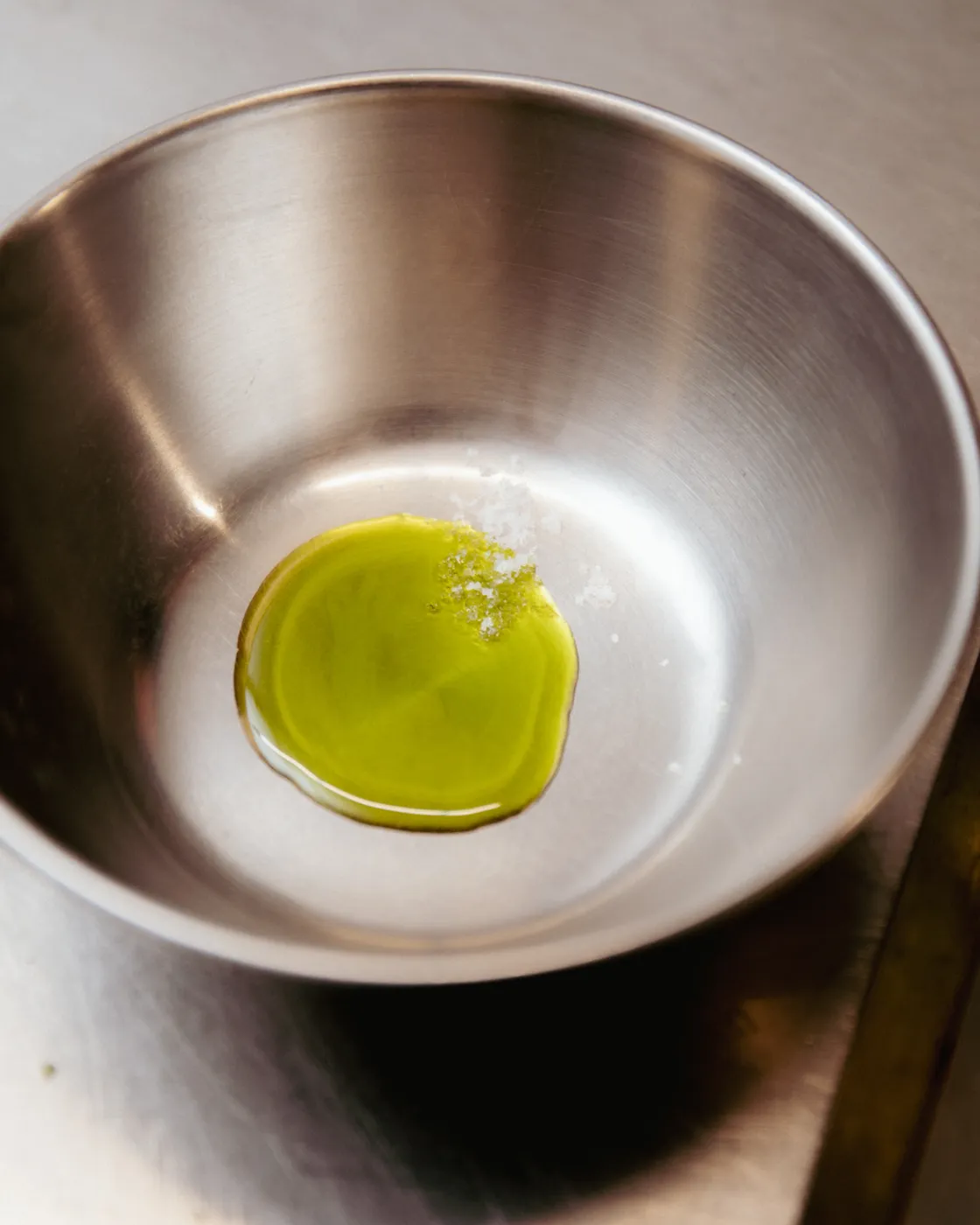 nettle oil, pulp strained out
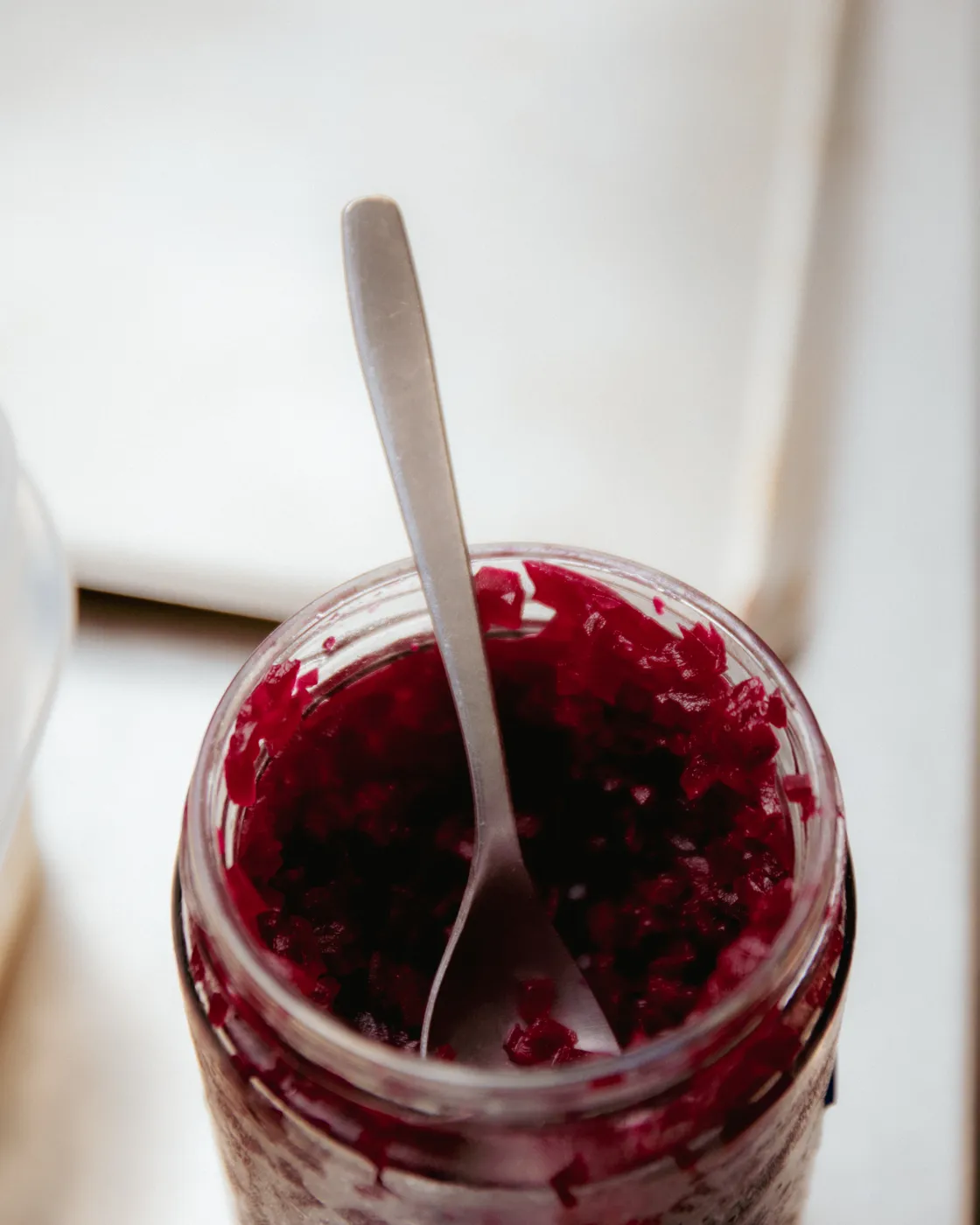 beetroot trim
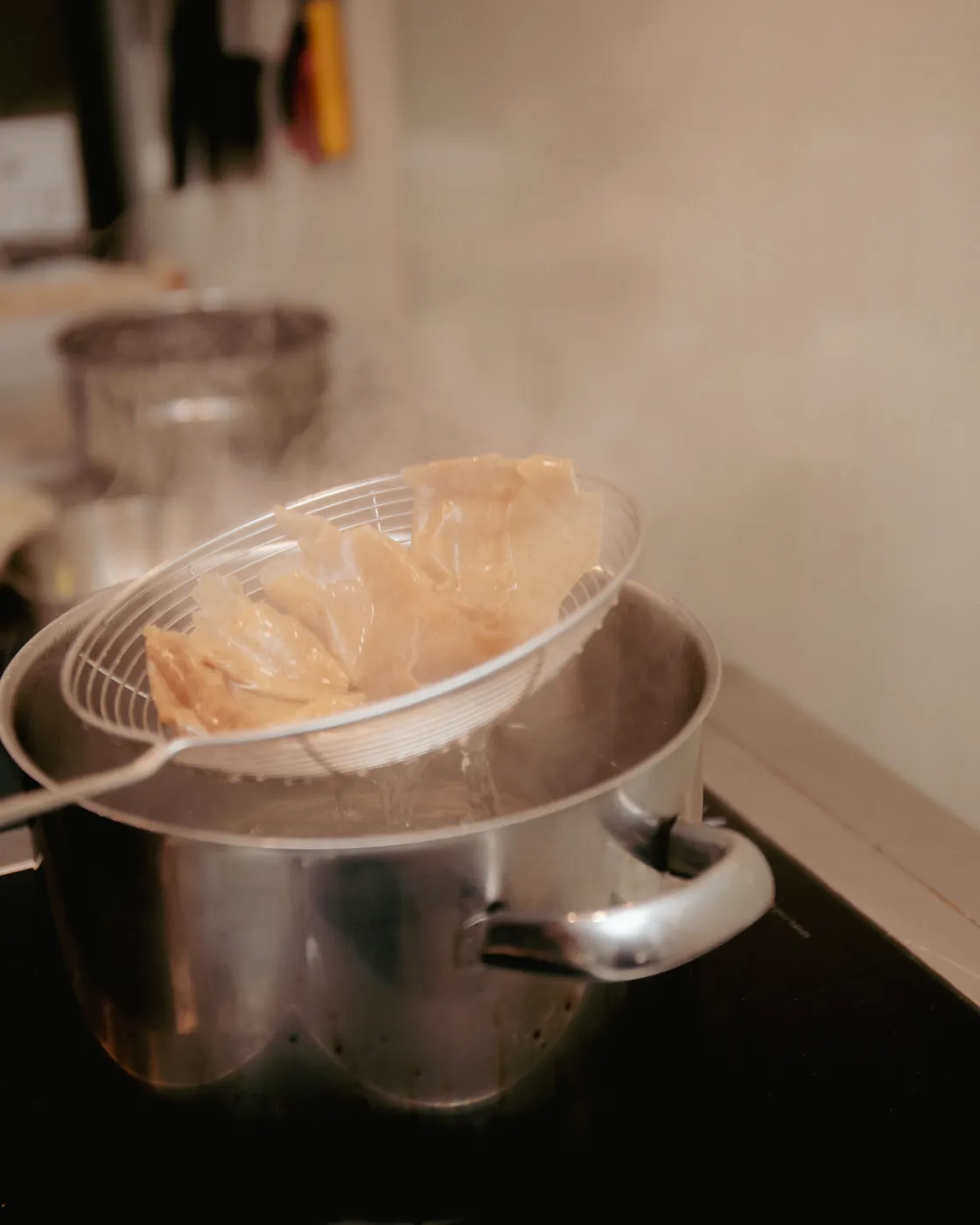 what stays in the cloth
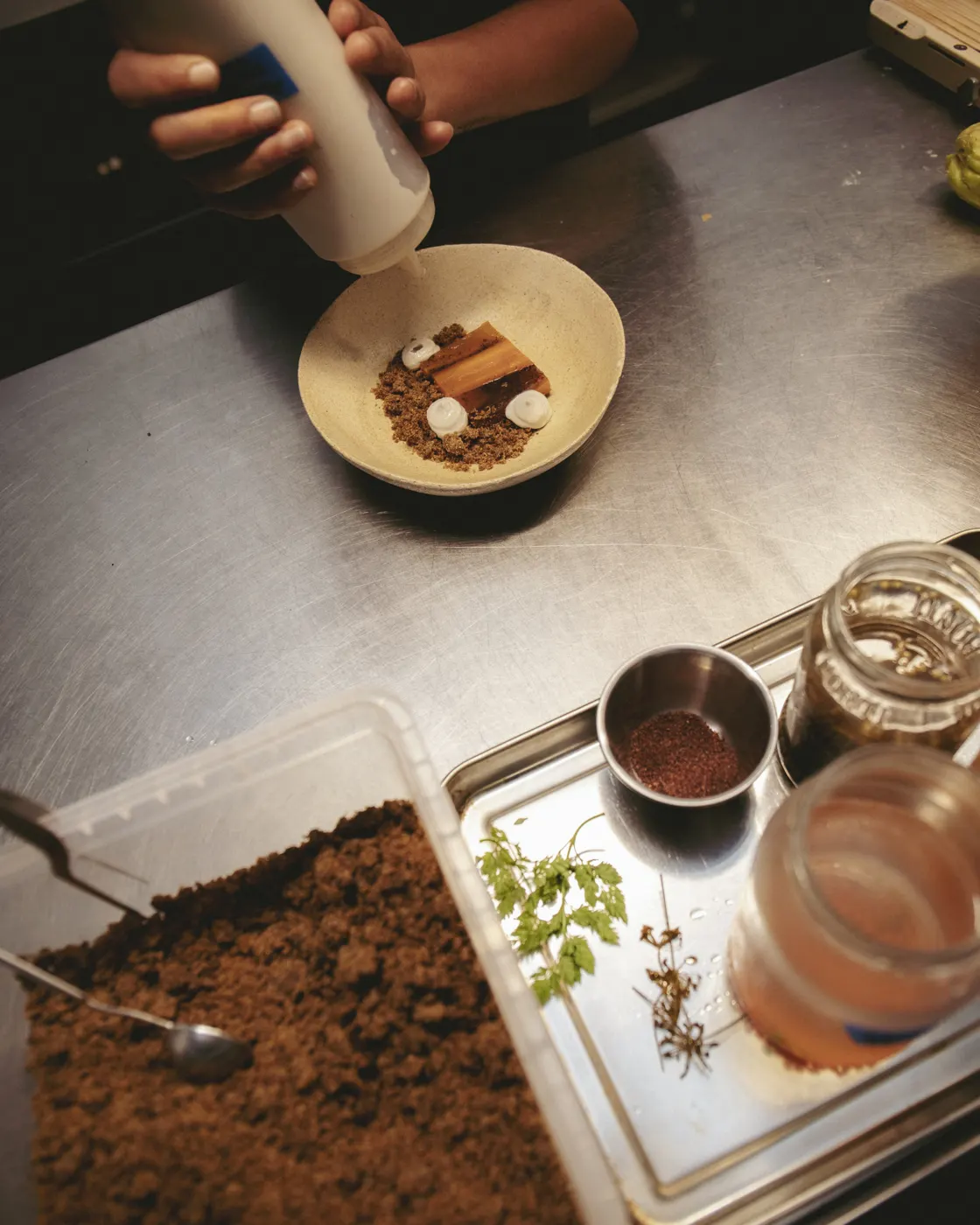 grounds not used
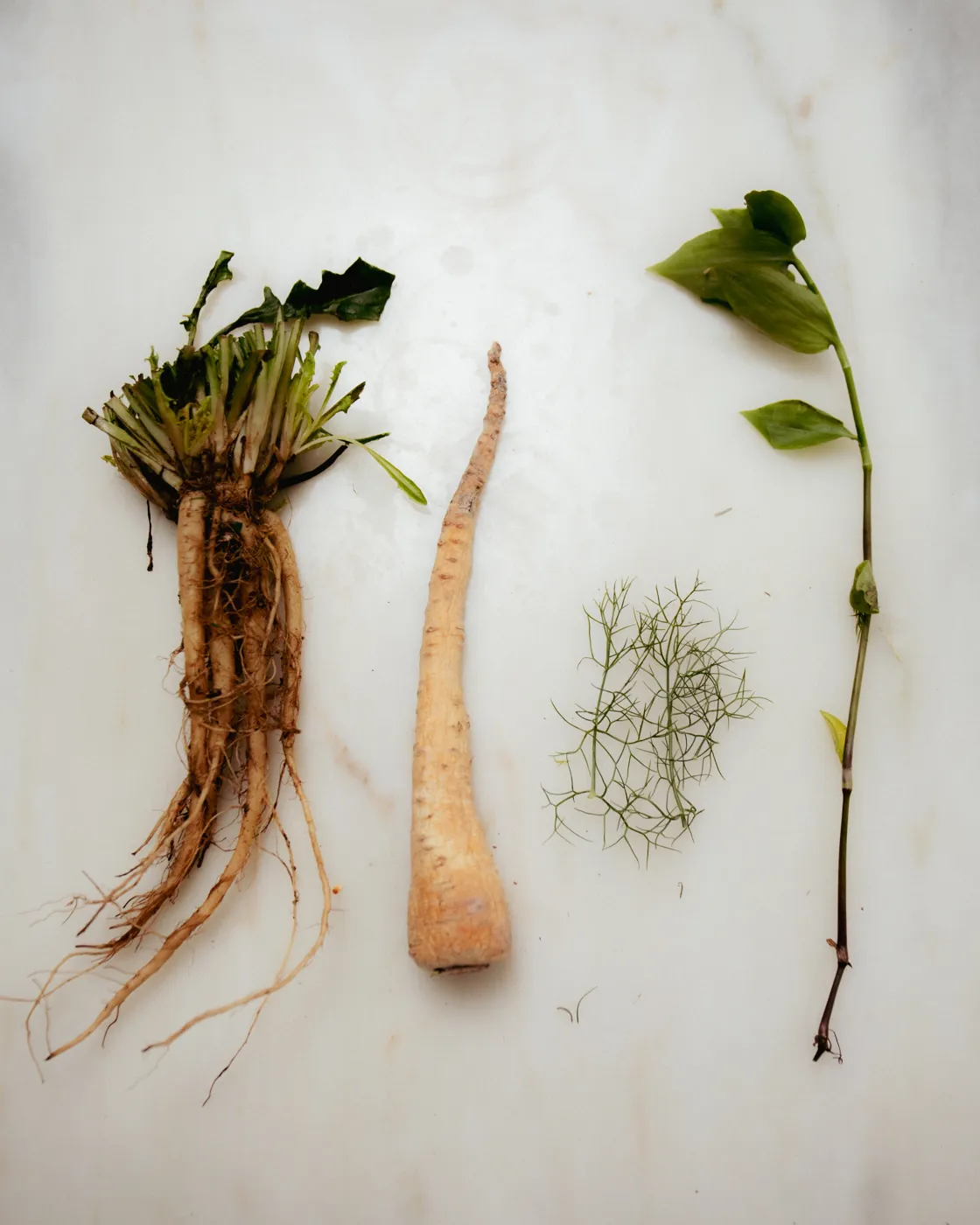 the end of the board
Not everything on this page ends somewhere. Nettles are blanched and blended into oil and then strained, and the notebook says to keep the pulp without saying what for. The rhubarb that comes out of the shrub jar is still sweet and still sharp, and it goes nowhere. The beetroot trim from the salting, the solids left in the cloth after a broth or an infusion, the grounds we do not turn into clay: all of it is the same question, which is whether there is a use we have not found yet, or whether this is simply where the line falls.
A page like this is easy to finish tidily. The kitchen does not finish tidily. What we can say is that the list gets shorter each season, and that almost everything above started here first, sitting in a container with no name on it, until someone worked out where it should go.
endless food co, copenhagen.


THIC is an upcycled chocolate alternative made from by-products of the large scale food industry: gluten-free oat okara from oat milk production, and cacao husk from existing chocolate production. It's clean label, completely free from additives. Made in Denmark, THIC acts just like conventional chocolate, but with up to 84% lower greenhouse gas emissions than traditional dark chocolate.
Max Bogenmann, co-founder, Endless Food Co
Here it goes into the ganache on the alt-'choc' tarte, the mole on the fried wild leaves and, in spring, the sauce under the onion that roasts for three hours.
Description and photographs supplied by Endless Food Co. endlesscph.com
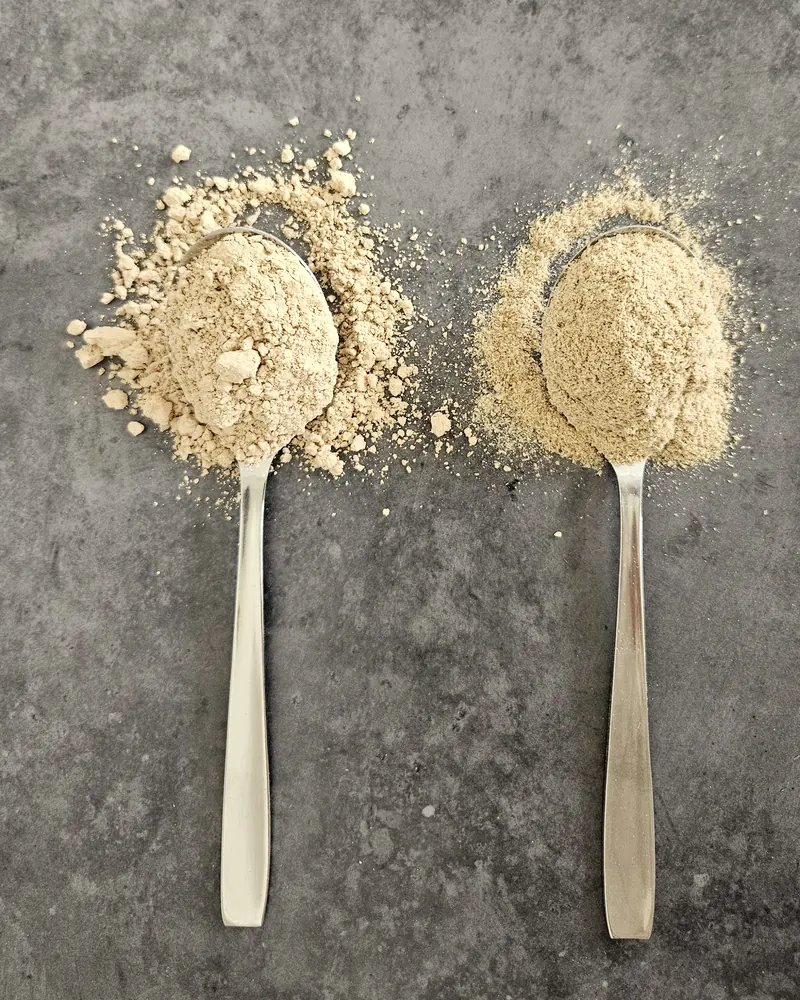 oat okara, dried
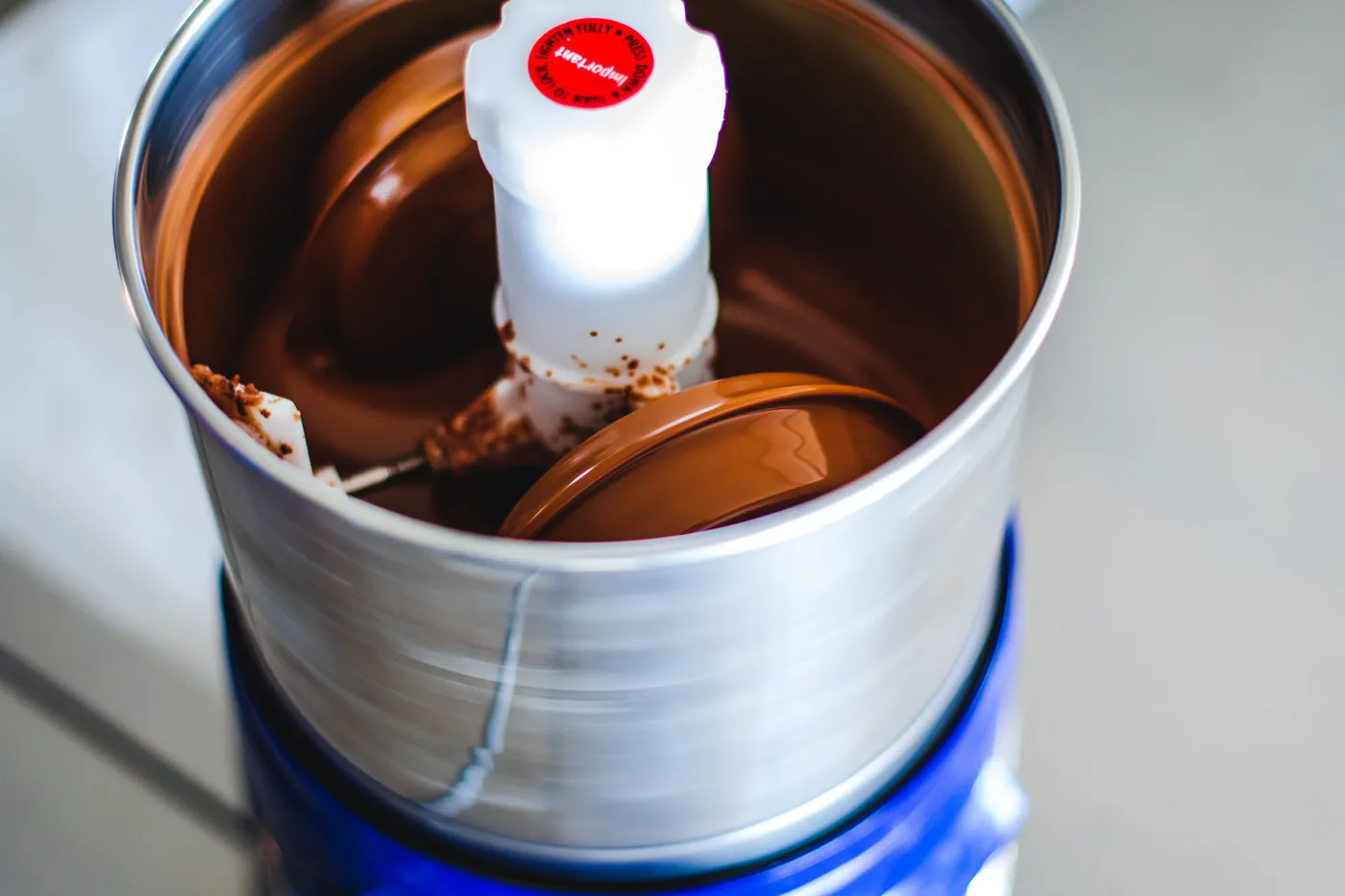 ground for days
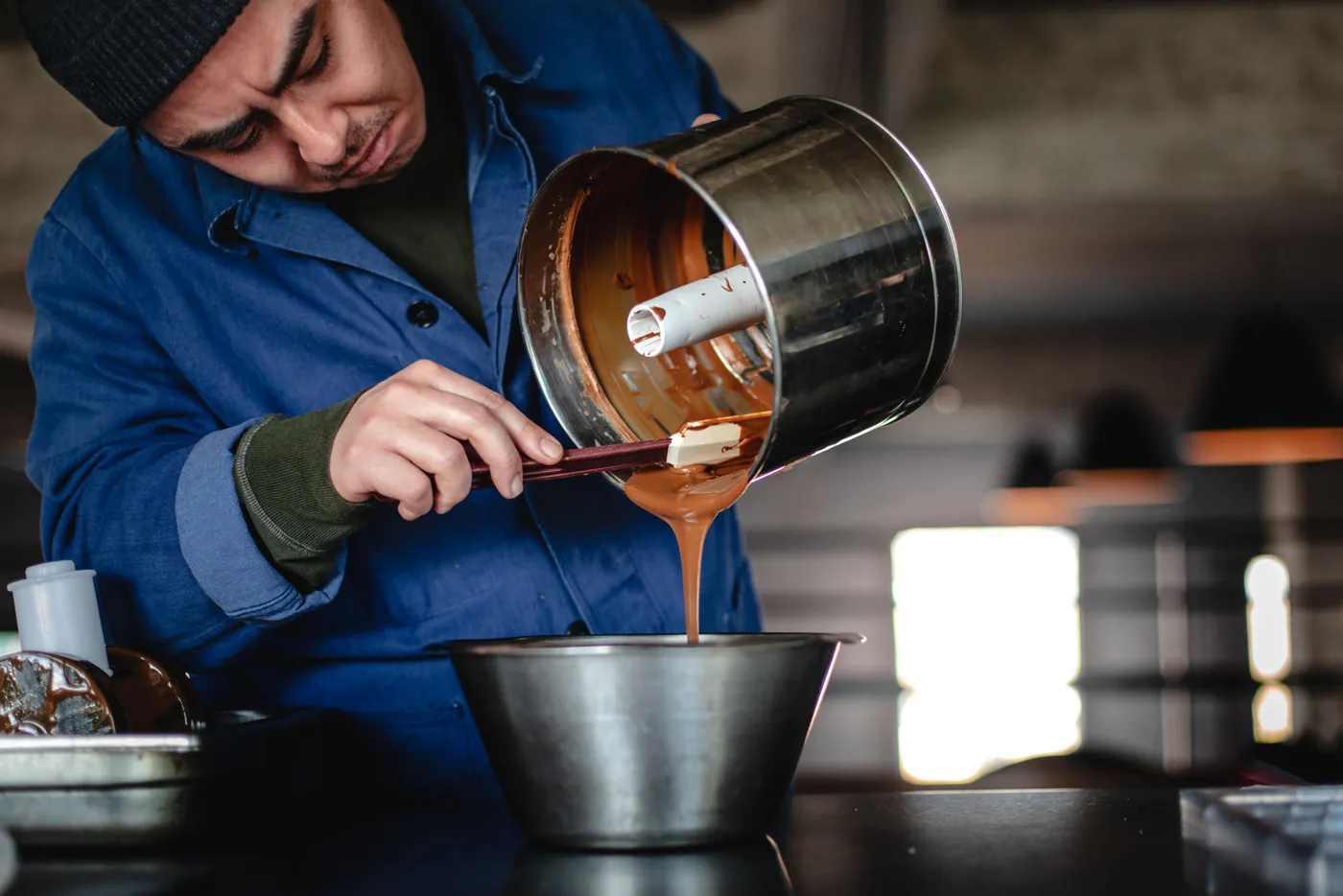 poured
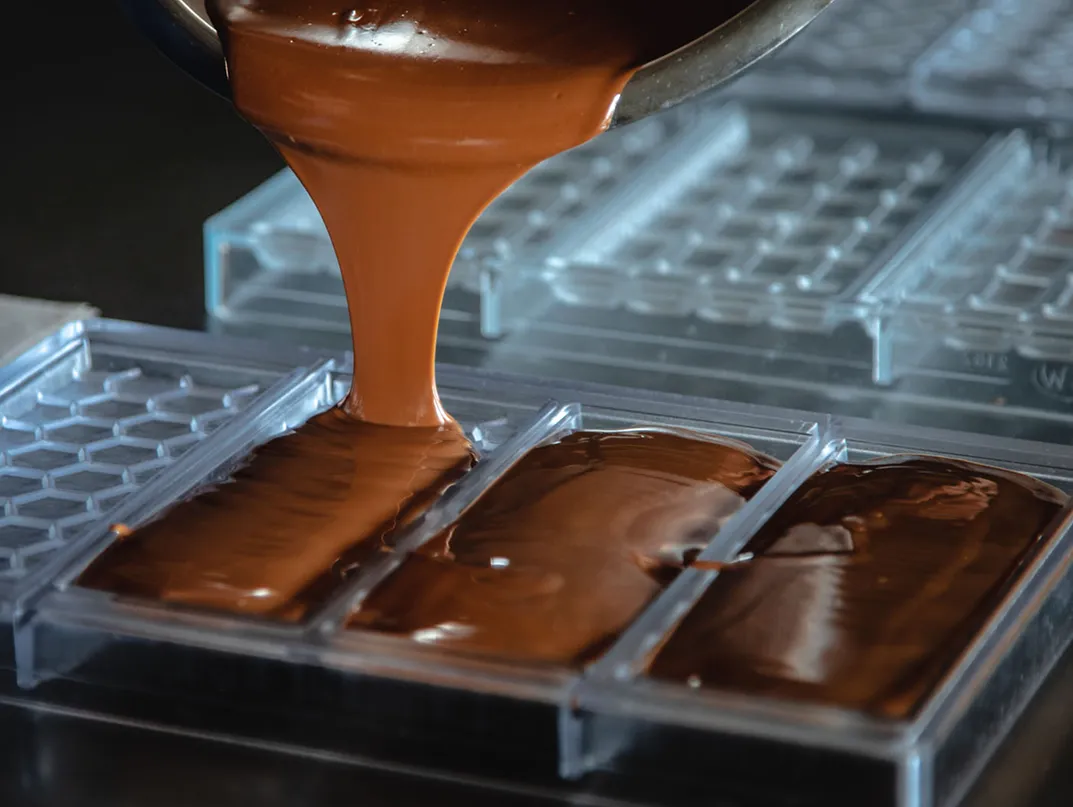 into moulds
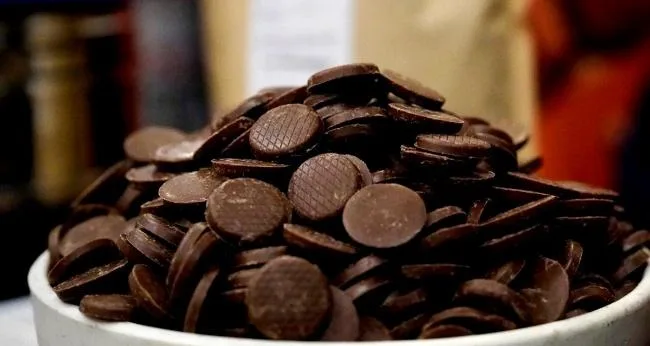 the chips we buy
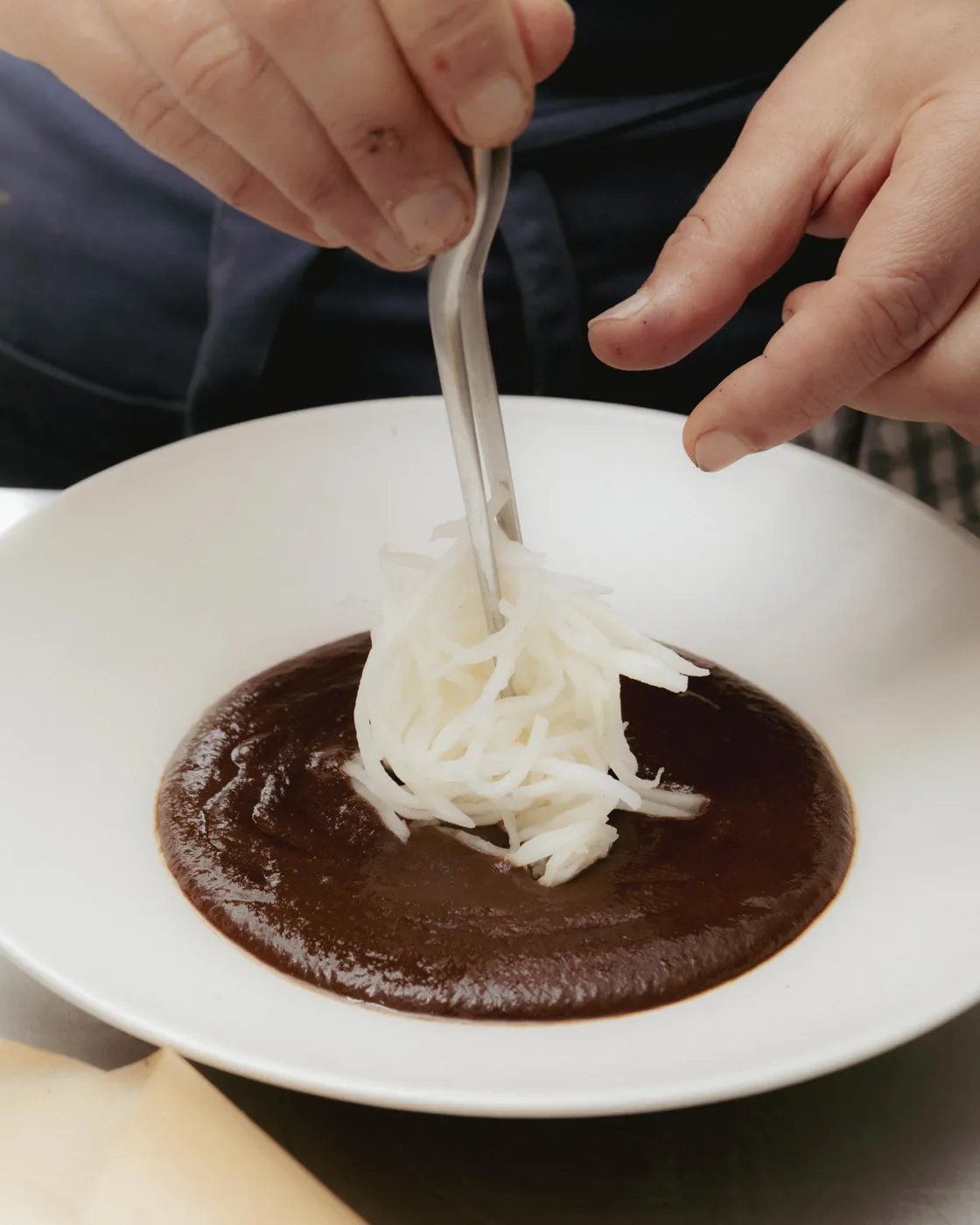 alt-'choc' mole
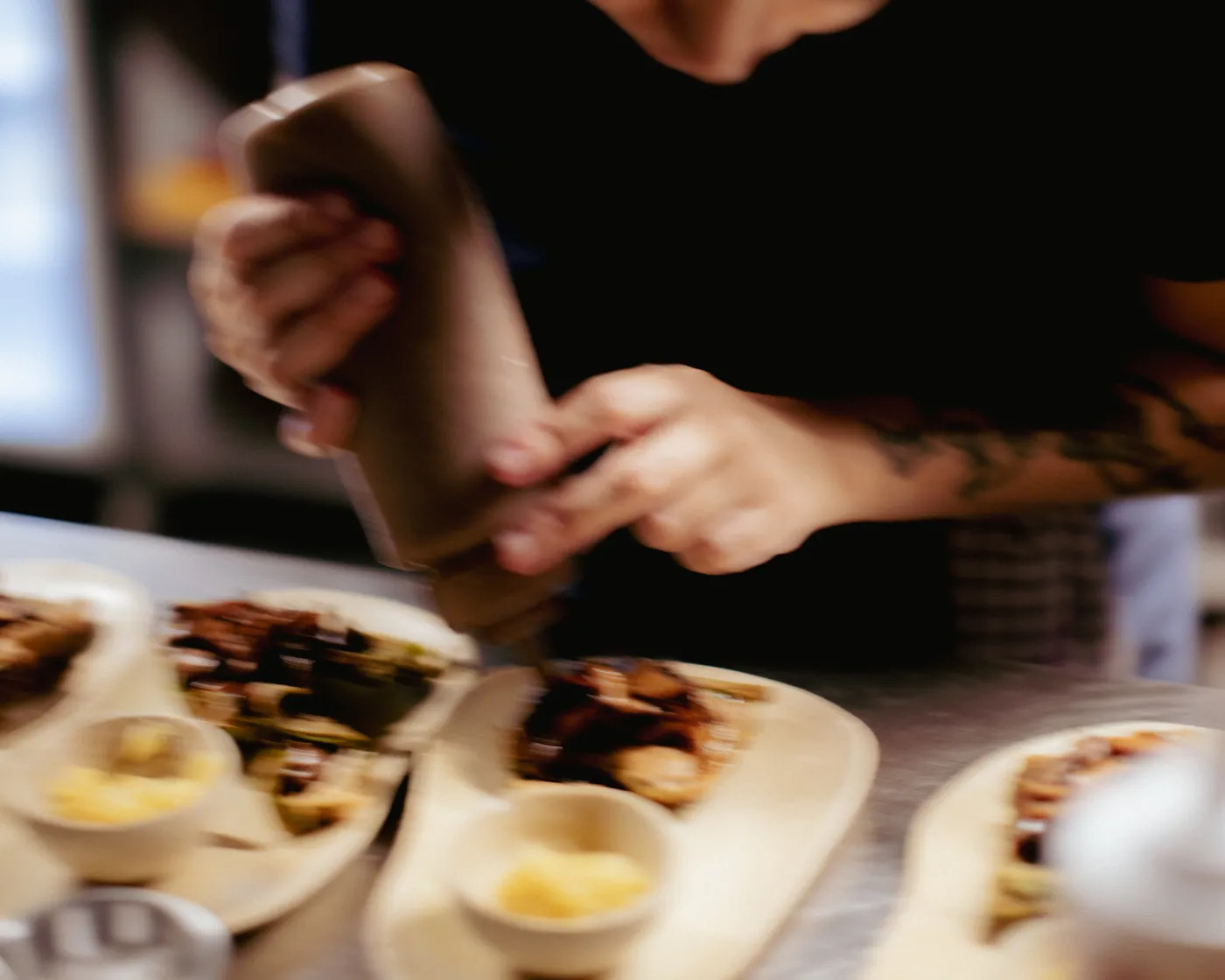 the mole, going on
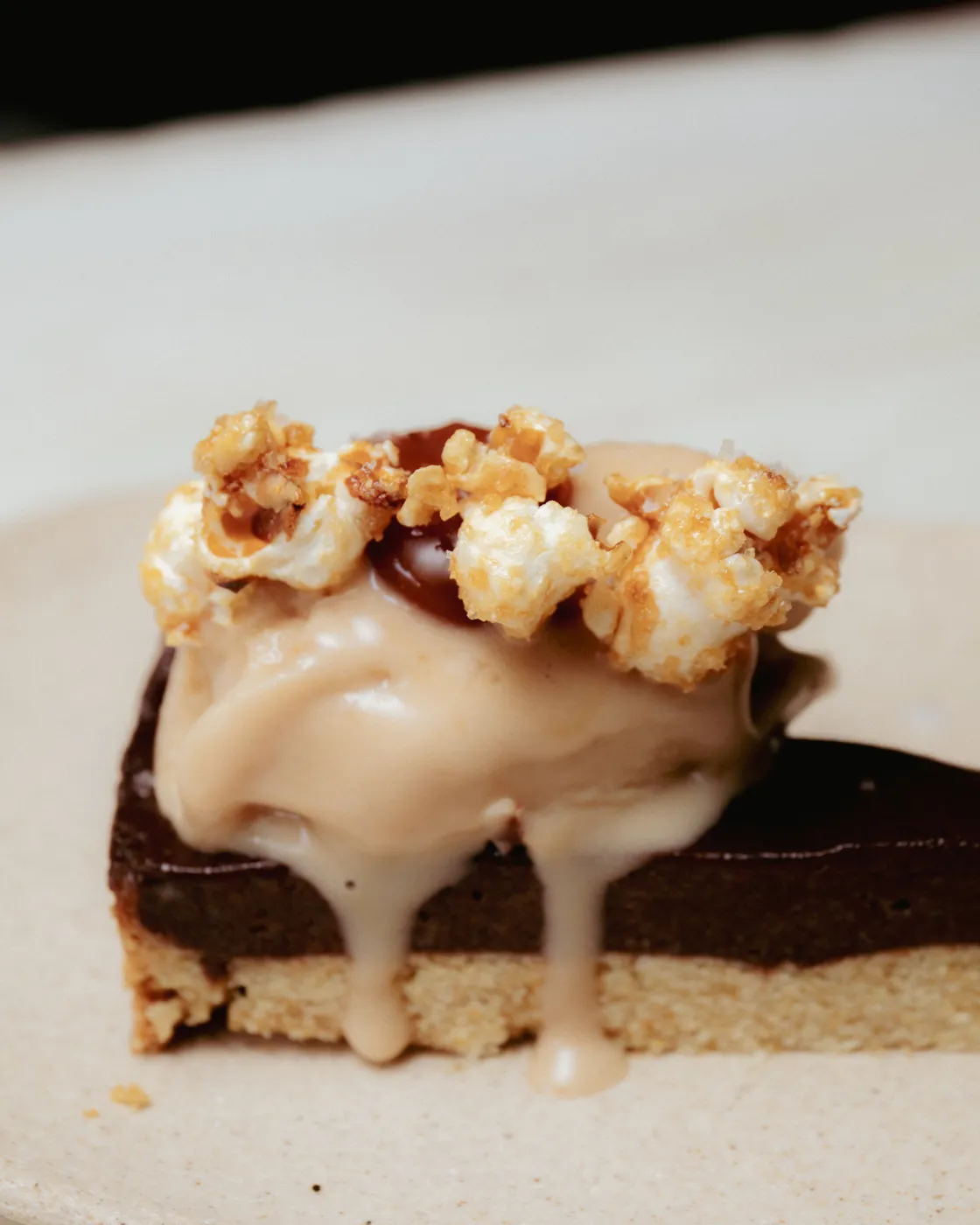 the alt-'choc' tarte
From head chef Monika Bloch's kitchen notebooks, the typed recipe sheet for the March to April 2025 menu, the menu descriptions written for the team in autumn 2024 and spring 2026, and the published menus for winter 2025, spring 2026 and summer 2026. Photographs by Paula Yubero and Luís Ferraz, taken in the kitchen between June 2024 and July 2026.